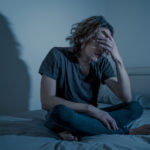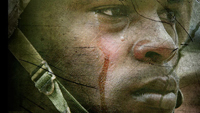



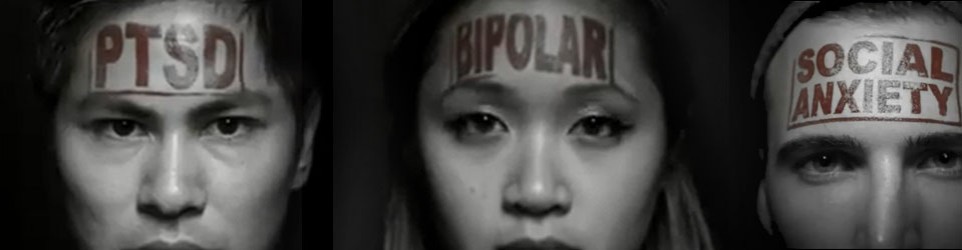
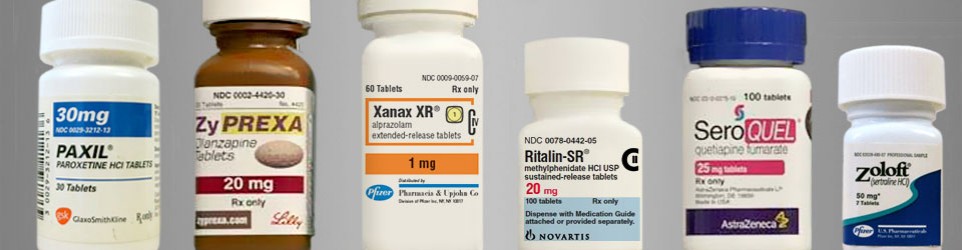

Andrew White returned from a nine-month tour in Iraq beset with signs of post-traumatic stress disorder: insomnia, nightmares, constant restlessness. Doctors tried to ease his symptoms using three psychiatric drugs, including a potent anti-psychotic called Seroquel. Thousands of soldiers suffering from PTSD have received the same medication over the last nine years, helping to make Seroquel one of the Veteran Affairs Department’s top drug expenditures and the No. 5 best-selling drug in the nation.
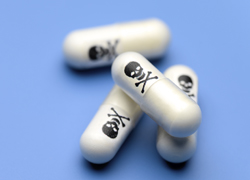
Today, the administration of psychoactive drugs to children (6-17) is all too common and growing at an alarming rate. These drugs often cause the opposite of the intended effect, often condemning children to a life of misery and ill health. The prescription of these drugs is said to treat “chemical imbalances” which were said to cause ADHD, Depression and Bi-polar disorder. It turns out, however, that what we were calling “disease-causing chemical imbalances,” is simply incorrect . The sad irony is, the inappropriate use of these medications is in fact creating different chemical imbalances, which do cause mental disorders, many of which are both life-long and debilitating.
Popular anti-seizure drugs may seriously increase a patient’s risk of suicide and violent death, according to a study published in the Journal of the American Medical Association. During the course of the study, there were 801 attempted suicides, 26 successful suicides and 41 violent deaths.
The widely used Seroquel antipsychotic was never approved to treat post-traumatic stress disorder or the insomnia sometimes related to the afflication, but that hasn’t stopped the drug from being prescribed for that purpose by the US Department of Veteran Affairs and, in the process, becoming one of the VA’s biggest expenditures.
The NYT Sunday magazine crowned Dr. Joan Luby as the queen of preschool depression this weekend, but failed to mention that Luby has taken cash from Johnson & Johnson (JNJ), Shire (SHPGY) and AstraZeneca (AZN) to study using atypical antipsychotics in young children. The article is significant because of the outsize role that the Times magazine plays in creating and naming new social trends.
WASHINGTON — Andrew White returned from a nine-month tour in Iraq beset with signs of post-traumatic stress disorder: insomnia, nightmares, constant restlessness. Doctors tried to ease his symptoms using three psychiatric drugs, including a potent anti-psychotic called Seroquel.
The use of anti-psychotic drugs in the elderly doubles the risk of potentially fatal pneumonia, say Dutch researchers. A study of almost 2,000 patients found the increased risk starts soon after treatment begins and concluded that patients should be closely monitored.
Tens of millions of innocent, unsuspecting Americans, who are mired deeply in the mental “health” system, have actually been made crazy by the use of or the withdrawal from commonly-prescribed, brain-altering, brain-disabling, indeed brain-damaging psychiatric drugs that have been, for many decades, cavalierly handed out like candy often in untested and therefore unapproved combinations of drugs – to trusting and unaware patients by equally unaware but well-intentioned physicians who have been under the mesmerizing influence of slick and obscenely profitable psychopharmaceutical drug companies aka, BigPharma.
Low doses of psychedelic drugs, including lysergic acid diethylamide (LSD), ketamine, and psilocybin, may reduce clinical symptoms in patients with depression, anxiety, obsession-compulsive disorders (OCDs), and chronic pain, without inducing depersonalization or hallucinations, according to a new Perspectives article published online August 18 in Nature Reviews Neuroscience.