









Psychiatric Drugs & Violence—The Facts
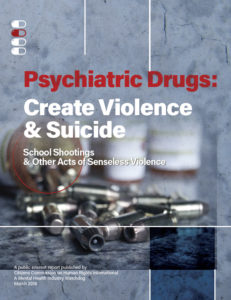
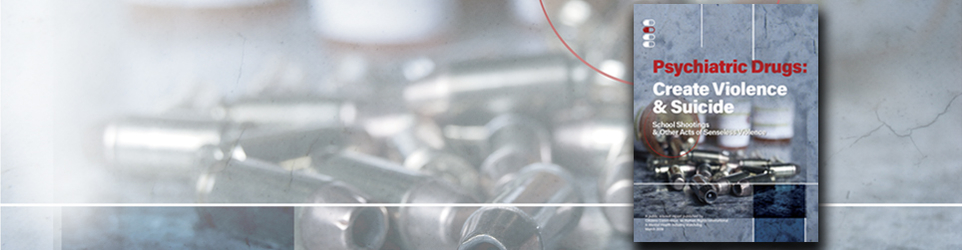
Psychiatric Drugs—Regulatory Warnings on Violence, Mania, Psychosis, Homicide Fact: Despite 49 international drug regulatory warnings on psychiatric drugs citing effects of mania, hostility, violence and even…

Psychiatric Drugs—Regulatory Warnings on Violence, Mania, Psychosis, Homicide Fact: Despite 49 international drug regulatory warnings on psychiatric drugs citing effects of mania, hostility, violence and even…
Every single time there is a school shooting, or some senseless massacre, the press are quick to start touting the need for more mental health treatment to “prevent” these tragedies—well before the facts of the case have been investigated. In fact, most of the press don’t appear as interested in bringing the facts to light as they are in making “recommendations” based on assumptions and calling for more mental health services/treatments. How one can make recommendations before finding out what actually occurred seems illogical to us, and we’re hoping we’re not the only ones.
TIME MAGAZINE—When people consider the connections between drugs and violence, what typically comes to mind are illegal drugs like crack cocaine. However, certain medications — most notably, some antidepressants like Prozac — have also been linked to increase risk for violent, even homicidal behavior.
A new study from the Institute for Safe Medication Practices published in the journal PloS One and based on data from the FDA’s Adverse Event Reporting System has identified 31 drugs that are disproportionately linked with reports of violent behavior towards others…
After a mother of two committed suicide because of being increasingly dependent on an anti-depressant, an investigation has been started into the drug.
Last year, on October 25, Yvonne Woodley, 42, was discovered by her husband Kevin hanging in the loft of the family home in Solihull, West Midlands. Before six months of her death, her Citalopram’s dosage was increased by six GPs she consulted. The drug had a reversed affect. It made her more disturbed and she often used to express her wish to die.
Since direct-to-consumer drug advertising was legalized 13 years ago, Americans have become a nation of pill poppers — choosing the type of drug they desire like a new toothpaste, sometimes whether or not they need it. But if patients want the drugs, doctors and pharma executives want them to have the drugs and media gets full page ads and huge TV flights (when many advertisers have dried up), is the national pillathon really a problem? Yes, when you consider the cost of private and government insurance and the health of patients who take potentially dangerous drugs like these.
Seroquel, Zyprexa, Geodon, atypical antipsychotics—Even though the antipsychotic Seroquel surpasses 71 drugs on the FDA’s January quarterly report with 1766 adverse events, even though it’s linked to eight corruption scandals, even though military parents blame Seroquel for unexplained troop deaths, it is the fifth biggest-selling drug in the world and netted AstraZeneca almost $5 billion last year. Atypicals were originally promoted to replace side-effect prone drugs like Thorazine but soon became pharmaceutical Swiss Army Knives for depression, anxiety, insomnia, bipolar and conduct disorders and other off label uses — and betrayed the same side effects as older antipsychotics. (Especially tardive dyskinesia-linked Abilify.)