




Pharma’s $1.7 Billion Internet Marketing Pipeline
On November 13th, 2009, Pharmaceutical companies flocked to a two-day FDA hearing into online drug advertising, which could influence their use of social media on…

On November 13th, 2009, Pharmaceutical companies flocked to a two-day FDA hearing into online drug advertising, which could influence their use of social media on…
AstraZeneca paid Chicago psychiatrist Dr. Michael Reinstein $490,000 over a decade to travel the nation promoting its best-selling antipsychotic drug, Seroquel. In return, Reinstein provided the company a vast customer base: thousands of residents in Chicago-area nursing homes.
Utah Attorney General Mark Shurtleff sued the company after a nearly four-year investigation revealed that Lilly concealed its knowledge of significant weight gain and obesity associated with the anti-psychotic medication Zyprexa. Investigators also showed that Lilly’s sales representatives illegally promoted the drug for uses not approved by the U.S. Food and Drug Administration.
According to a review ordered by the UK’s Department of Health, excessive use of the medication causes an estimated 1,800 deaths and almost as many strokes among older people every year. As many as many as 144,000 people suffering from dementia are being given anti-psychotic drugs unnecessarily.
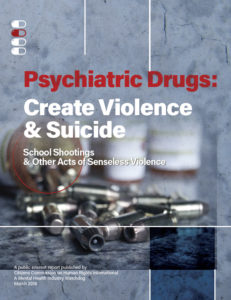
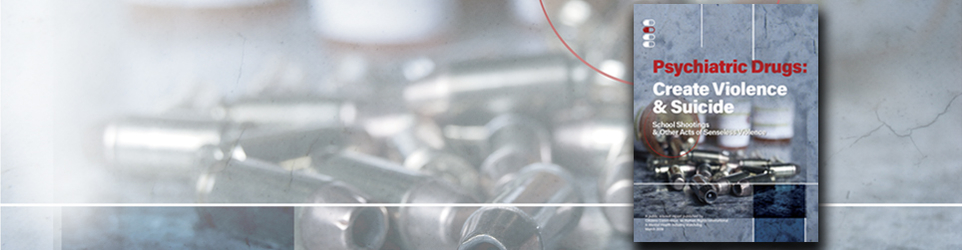
The huge missing “elephant in the room” is the high likelihood that Dr. Nidal Malik Hasan was medicated with potent brain-altering psychiatric drugs. These would be drugs that Dr. Hasan had easy access to and which he was probably prescribing widely to his psychologically traumatized soldier-patients, unaware of the serious dangers to them or to himself. These popular, aggressively marketed, highly profitable drugs are known to cause a number of serious adverse effects including hostility, suicidality, sleep alteration, depression, mania and psychotic episodes.