If I have mental illness, I want doctors to prove it

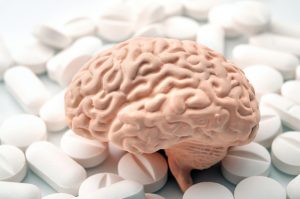
I AM MAD, a proud member of the mad community. Of course, madness exists – it’s normal, it’s as old as mankind, and it’s in every family. But if I have a disease in my brain called “mental illness”, I want the doctors to prove it. The brain is the most complicated organ in the body, yet doctors diagnose mental illness just by looking at you, and then you are labelled for life.

I’ve been diagnosed with unipolar depression, bipolar or manic depression, dysphoric elation – whatever that’s supposed to be – and paranoia. I’ve been told that I have a chemical imbalance in my brain that shows I have a mental illness. Yet not one of these fellows even took my pulse. They did it by sitting looking at me and talking to me.

FDA Needs to Ban Antipsychotic Drug Use on Kids

While the FDA and its Pediatric advisory panel sit around pondering if one antipsychotic drug is more likely to cause diabetes in children than another while continuing their stall tactic of “let’s study it some more ” routine, we’d like to point out the simple solution: Considering that antipsychotic drugs are already documented by international drug regulatory agencies to cause not only diabetes but obesity, psychosis, blood clots, heart problems, cardiac events, seizures, toxicity, confusion, coma and stroke (and that’s just in kids) as well as brain atrophy (meaning they actually shrink brains); considering there is no medical test to prove any child has a brain malfunction, chemical imbalance or any physical condition requiring the administration of these lethal drugs—and considering these drugs are literally killing kids that have nothing medically wrong with them in the first place— Do the job you are paid by U.S. taxpayers to do and BAN their use on children. Period.

Are Psychiatric Medications Making Us Sicker?

I first took a close look at treatments for mental illness 15 years ago while researching an article for Scientific American. At the time, sales of a new class of antidepressants, selective serotonin reuptake inhibitors, or SSRI’s, were booming. The first SSRI, Prozac, had quickly become the most widely prescribed drug in the world. Many psychiatrists, notably Peter D. Kramer, author of the best seller Listening to Prozac, touted SSRI’s as a revolutionary advance in the treatment of mental illness. Prozac, Kramer said in a phrase that I hope now haunts him, could make patients “better than well.”

Clinical trials told a different story. SSRI’s are no more effective than two older classes of antidepressants, tricyclics and monoamine oxidase inhibitors. What was even more surprising to me—given the rave reviews Prozac had received from Kramer and others—was that antidepressants as a whole were not more effective than so-called talking cures, whether cognitive behavioral therapy or even old-fashioned Freudian psychoanalysis. According to some investigators, treatments for depression and other common ailments work—if they do work—by harnessing the placebo effect, the tendency of a patient’s expectation of improvement to become self-fulfilling. I titled my article “Why Freud Isn’t Dead.” Far from defending psychoanalysis, my point was that psychiatry has made disturbingly little progress since the heyday of Freudian theory.

Would Tom Sawyer and Huck Finn be diagnosed mentally ill and drugged?

Imagine if the beloved young characters in Mark Twain’s classic, “The Adventures of Tom Sawyer,” lived today. Based on current psychiatric criteria, Tom and Huck could be designated mentally ill and prescribed mind-altering drugs. Quiet, listless and numb, their legendary adventures would be over.

Describing a day in school, Twain wrote: “The harder Tom tried to fasten his mind on his book, the more his ideas wandered.” His “heart ached to be free, or else to have something of interest to do to pass the dreary time.” That’s a text book so-called symptom of ADHD (attention deficit hyperactivity disorder). A teacher today could refer him to a psychiatrist who would dope him with stimulants. Yet like any typical boy, Tom had no trouble focusing attention on something he found interesting – like finding a hidden treasure.

Tom’s friend Huckleberry might fare worse. An avowed non-conformist, a psychiatric checklist could tag him with ODD – oppositional defiant disorder. And having run away from an abusive father, Huck would land in the hands of Child Protective Services who would sedate him on psychoactive drugs subsidized by government funds.

Although no brain scan, blood test or x-ray had been done, the psych doctors would claim the boys’ mental illness stemmed from a neurobiological disorder involving chemical imbalances in the brain, probably hereditary.

CCHR exposes list of psycho-pharma front groups

A highly effective public relations technique is the “third party technique” of creating front groups to endorse or promote the need of any service or product. The first party is the original group or client that would benefit more from increased public trust or affinity. The second group is the public or consumers. A third group is created with a contrived name to appear publicly as a disinterested party endorsing the industry of the first party.

Often, the third party, or front group, uses a name that implies authority or concern for the public’s welfare or concerns. You can be sure these bogus front groups are usually only concerned about their clients welfare and themselves.