

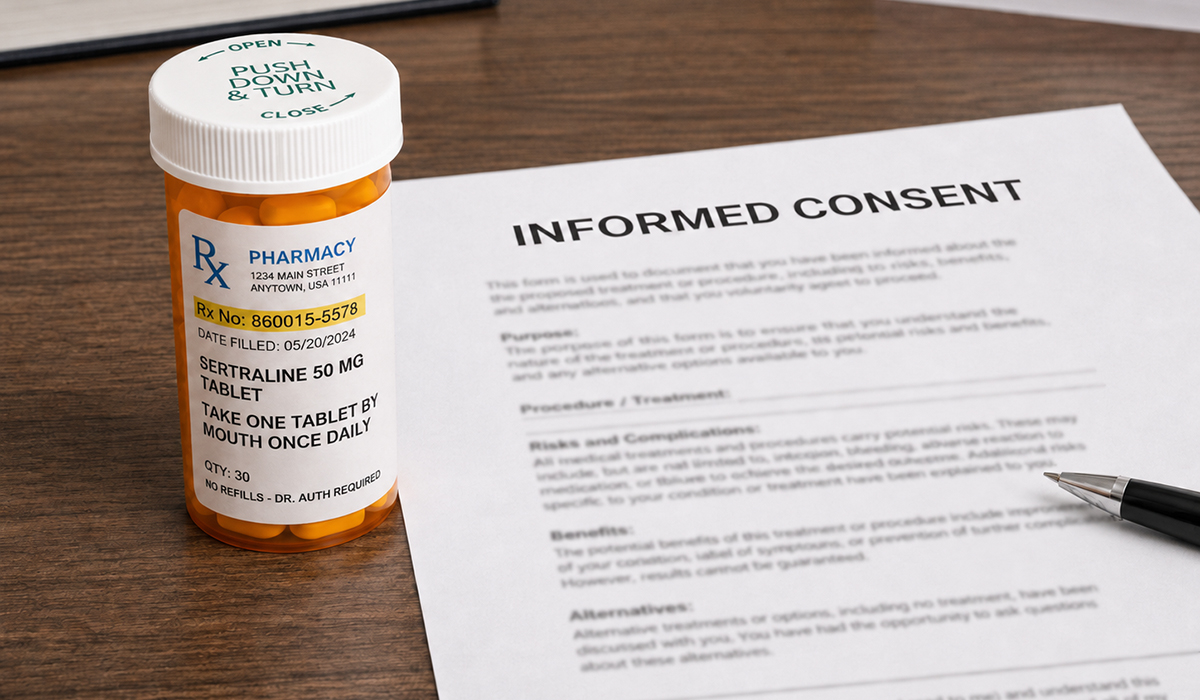
CCHR’s relentless fight for patients’ rights and one survivor’s personal journey through psychiatric drug hell gain powerful validation in the national spotlight.
By Jan Eastgate
President CCHR International
May 29, 2026
The New York Times recently reported on the growing public debate about the risks of psychiatric drugs—especially antidepressants—and the critical need to de-prescribe and safely withdraw from them.[1] This is a debate that CCHR, and those survivors who contacted it, doctors, and attorneys, have driven for five decades through persistent warnings about their harmful effects. For me, this vindication is deeply personal: my own experience with these drugs mirrors that of countless others who were harmed by them. It forged my commitment to expose these risks for nearly 50 years. As president of CCHR International in the U.S. for over 30 years and for nearly two decades in Australia, I have witnessed CCHR’s profound impact in helping countless individuals damaged by psychiatric treatments.
This year, the psychiatric profession faced criticism from the highest levels of the federal government. As the New York Times reported, just 10 days after Health Secretary Robert F. Kennedy Jr. announced policies to encourage doctors to deprescribe, or assist patients in stopping, the most widely prescribed class of antidepressants, the American Psychiatric Association’s annual meeting featured numerous sessions on helping patients taper off drugs with serious side effects.
For CCHR, these developments represent powerful validation of its long-standing warnings. The organization’s efforts helped secure key amendments to the Food and Drug Administration (FDA) law in 2007, enabling consumers and families to better report Adverse Drug Reactions (ADRs) directly to the FDA. This built upon a major campaign CCHR launched in the late 1980s, when the first SSRI antidepressant, Prozac, came to the American market with risks of emotional numbing, suicide and violent behavior emerging.
A Personal Descent into Psychiatric Drug Hell
My own journey into this fight began long before those campaigns—in 1972, when psychiatric “medications” were aggressively promoted as the panacea for any difficulty, physical or mental, especially among women. Like many teenagers, I trusted my family doctor when he prescribed antidepressants and benzodiazepines when my untreated hypothyroidism was misdiagnosed as “depression,” while creating serious iatrogenic (treatment-caused) ailments, including addiction. The antidepressants numbed me emotionally, while the benzodiazepine left me constantly fatigued and unable to concentrate. I lost interest in family, friends, and life itself. Complaining only led to higher doses. This spiral resulted in hospitalizations, continued drugging, and ultimately 10 sessions of brutal electroshock—recommended after I was told the drugs had “not worked.”
At age 20, I attended a Rolling Stones concert but remembered none of it—my mind shut down by the prescription drugs. I had become the woman in the Stones’ song “Mother’s Little Helper,” seeking shelter in “a little yellow pill.”
The withdrawal from these drugs proved excruciatingly difficult. For more than six months, I endured severe emotional swings between complete numbness and extreme volatility, intense cravings for the drugs, and sudden, unprecedented violent impulses that I controlled only through sheer willpower and the unwavering support of my family—an experience many others have not survived.
Benzodiazepine withdrawal is notoriously difficult. Stevie Nicks of Fleetwood Mac described coming off Klonopin as harder than quitting cocaine and heroin combined, saying it “ruined my life for eight years.”[2]
Recovering from the effects of electroshock took far longer—many years in fact. The treatment inflicted profound physical trauma on my body and caused devastating memory loss. I have often described the experience as feeling like a grenade exploding inside my brain—a violent shockwave that ripped away pieces of who I was. It is a barbaric and damaging practice that should be banned.
A Lifelong Commitment to CCHR’s Vital Work
Finding CCHR several years after my prescription withdrawal transformed everything. Had I been given the information CCHR provided about treatment risks—to be fully informed—I could have avoided the severe damage I experienced. Here was an organization dedicated to investigating and exposing the very abuses I had endured. I began volunteering in 1977 and have now dedicated nearly five decades of my life to CCHR’s fight for patients’ rights.
CCHR’s Decades-Long Public Awareness Exposing Harmful Treatments
CCHR, established in 1969 by the Church of Scientology and professor of psychiatry Dr. Thomas Szasz—a friend, mentor, and a supporter of my work—has helped tens of thousands of individuals reclaim their lives. I worked alongside electroshock survivors in the 1980s and 90s to campaign against deep sleep treatment—a deadly combination of psychotropic drugs and electroshock—ultimately achieving a ban in several Australian states. This ban ensured that patients could never again be subjected to the lethal procedure, which killed 48 patients, thereby saving hundreds of lives. Long before the addictive nature of psychotropic drugs was widely acknowledged, I spoke before women’s rights groups, advocating for government-funded, safe psychotropic drug withdrawal programs.
I came to America during the “Prozac Wars” of the 1990s—a period so named because CCHR, SSRI antidepressant survivors and attorneys exposed the drug’s serious risks of violence, suicide, and addiction and demanded that the FDA take action, while antidepressant makers aggressively denied and covered up the dangers, attacked their critics, and colluded with the FDA to protect the drug’s reputation.
CCHR challenged the “miracle pill” narrative, testifying in the 1989 coroner’s inquest into Joseph Wesbecker’s mass shooting and murder of eight in Kentucky.[3] Both Wesbecker’s treating psychiatrist and the coroner confirmed Prozac’s potential for causing violent and suicidal thoughts.[4] CCHR’s collaboration with Congressional leaders and press included appearances on major TV shows like Donahue and Geraldo, sparking many hundreds of calls from desperate people.
Some 200 phone calls to CCHR occurred within 24 hours of Geraldo airing. One caller reported he had been put on Prozac after an operation and became increasingly depressed. He was at home with a gun in his lap, wondering how long he could go on, when some driving instinct to survive caused him to turn on the television, where he saw the show and “got the answer to my question of why I was feeling like this.”[5]
CCHR Obtains FDA Hearing: Psychiatrists Ignored Heart-Wrenching Testimonies
CCHR stepped in to help those contacting it establish the Prozac Survivors Network in 1990. That same year, an attorney representing CCHR filed a Freedom of Information request to the FDA, obtaining copies of the 17,000 adverse reaction reports against Prozac—at the time, more ADRs than any other drug in the FDA’s history.[6] Of these, 5,740 adverse reactions included suicide and death—in stark contrast to the tricyclic antidepressant amitriptyline (Elavil), which had been on the market for 20 years and had accumulated only 2,923 adverse reaction reports as of November 1989—Prozac had accrued twice as many reports in less than one-tenth of the time.[7]
In 1991, CCHR’s highly reported campaign forced the FDA to hold a Psychopharmacological Drugs Advisory Committee hearing into antidepressants causing suicide. CCHR organized survivors’ families to travel to Washington DC to share their devastating stories. For example:
- Tucker Moneymaker testified: “I had two sons—David Lee, age 8, and Billy, 16—and my wife of 20 years—all gone…After being on Prozac for 21 days, my wife shot and killed both of these two boys…She turned a gun to herself and shot herself twice. Now she’s in jail for murder.” He begged the panel of “experts” not to let this happen again. “These are real people,” and the murders occurring “are senseless.”[8]
- Suzanne Johnson: “I am standing here before you today, my government-appointed judge and jury, pleading not only for my life but literally thousands of others…Prozac has destroyed every hope of me having any kind of normalcy in my life. Gone are my carefree days, never, ever to return…I was told that Prozac had no side effects, except for possible weight loss. No withdrawals and no addictive potential;” but “the emotional side effects began immediately.”[9]
- “William” testified in another hearing: “It was horrible. I would start quivering and shaking. I could not control anything…I had no feelings…Someone could have come and said my mother died. I would not have reacted…”[10]
Yet, the panel, with numerous members having conflicts of interest with drug companies, including manufacturers of antidepressants, ignored the families and victims and took no action.
Persistence—Winning Key Protections for Children and Families
CCHR persisted. For 14 years, it fought alongside parents and attorneys for the black box warning on the risk of suicide in children and adolescents taking antidepressants. It organized some of the parents whose children died by suicide while taking SSRI antidepressants to testify before the FDA in 2004. CCHR testified in another FDA hearing in 2006, after which the suicide risk was extended to young adults.
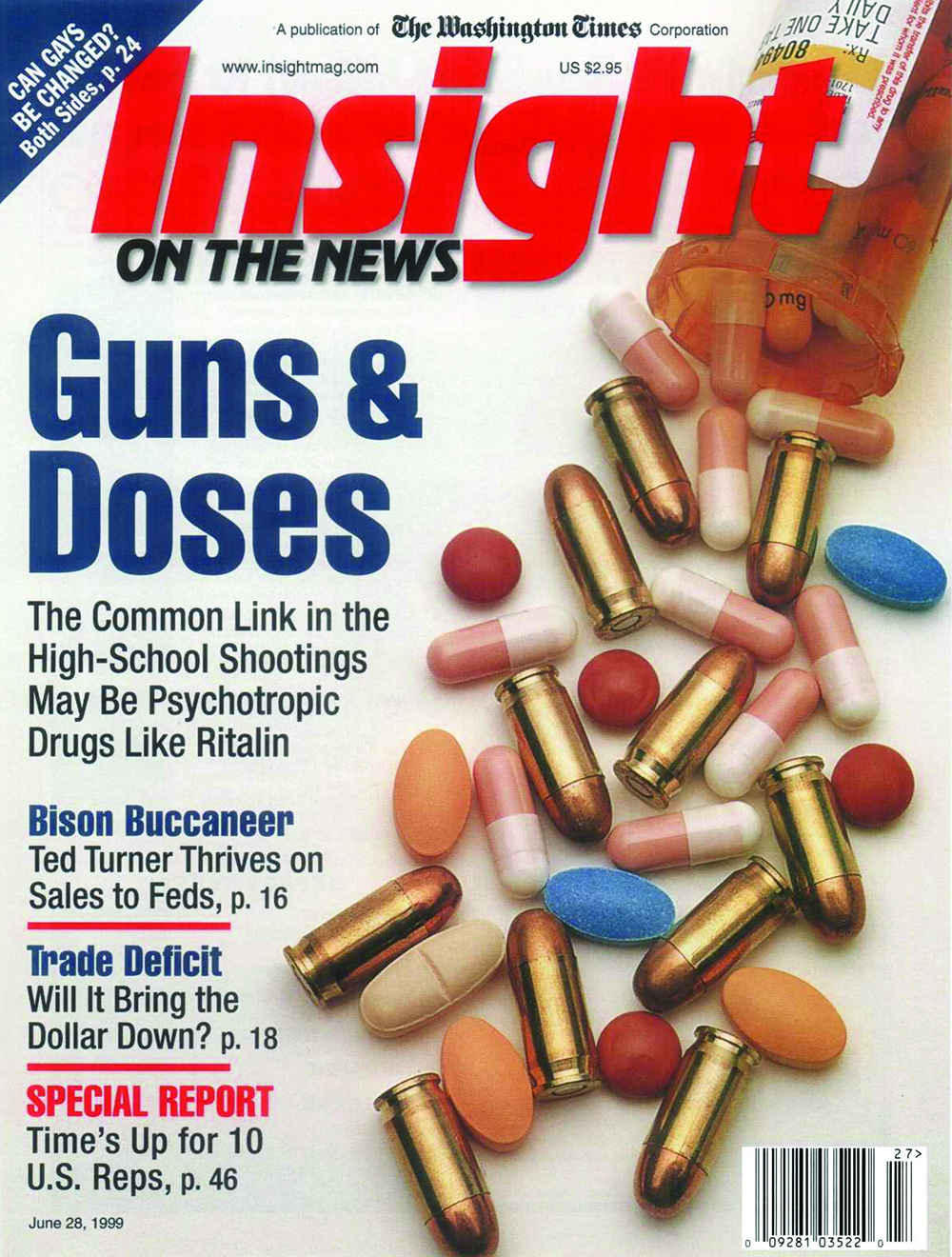
Earlier, it helped obtain a second toxicology test in the 1999 Columbine High School shooting, which confirmed ringleader Eric Harris was taking an SSRI antidepressant. CCHR worked with national journalist Kelly Patricia O’Meara (1999) and FOX TV’s Douglas Kennedy (2002), who were the first print and TV reporters to do exposés linking antidepressants to suicide and violence, which helped prompt government hearings.[11]
O’Meara’s ground-breaking article, “Guns and Doses”—the first on mass school shooters— was sent to every state legislator and Member of Congress at the time. The National Foundation of Women Legislators (NFWL) held conferences on the issue at which CCHR and O’Meara spoke. NFWL presented both reporters with community service awards. Between 2002 and 2004, NFWL passed several resolutions, including the “Federal Protections Against the Psychiatric Labeling and Drugging of Children in Public Schools.”
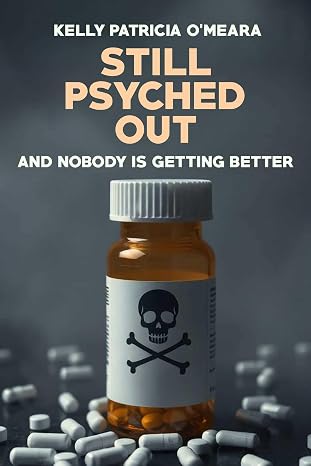
In 2006, O’Meara authored Psyched Out: How Psychiatry Sells Mental Illness and Pushes Pills That Kill, a definitive resource on antidepressants and related issues. This was updated in 2025 in the equally must-read book, Still Psyched Out: And Nobody Is Getting Better.
CCHR responded to parents who were being coerced into drugging their children with psychiatric drugs as a condition for attending school. By testifying alongside them before Congress, conducting key Congressional visits, and coordinating high-profile media interviews with CCHR International Advisory Committee members, the late Kelly Preston and Kirstie Alley, CCHR helped secure the Prohibition on Mandatory Medication Amendment. Passed in 2004, this landmark legislation prohibited schools from forcing children onto psychiatric drugs. CCHR’s efforts protected parents from being threatened with charges of medical neglect for refusing to drug their children, ultimately safeguarding families and giving countless children a chance to grow up without being chemically altered.
Congressional Recognition
Congressional accolades for its work are many: “Through united action, effective education and advocacy, CCHR has helped to bring about critically needed healthcare reform,” (Congressman Dan Burton); “I congratulate CCHR for its efforts to protect individuals from cruel, inhumane, and degrading treatments” (Congressman Ron Paul) and several U.S. House of Representatives Resolutions for “safeguarding others from abuses in the mental health system” and “for its leadership role in raising public awareness so that dignity and human rights can be returned to all men.” And from a senior staffer in the Committee of Government Reform in the U.S. House of Representatives. “The most important impact CCHR has made was the increased awareness on Capitol Hill—that we are forcing medication through schools.”
To improve informed consent and as a public service, CCHR invested thousands of dollars to decode and analyze the FDA’s ADRs, which revealed reports submitted to the FDA, including 4,895 suicides, 3,908 cases of aggression, and 309 homicides. These figures reflect only a small fraction of the actual side effects occurring in the consumer market, as the FDA has admitted that only 1-10% of side effects are ever reported to the FDA. In 2009, CCHR produced an online psychiatric drug side effects search engine based on this data.
Pioneers in Exposing How Psychiatric Drugs Cause Violence and Suicide
CCHR was exposing the key mechanisms behind this violence decades ago. Two stand out: emotional numbing (also known as emotional blunting) and akathisia. Emotional numbing creates a detached, “flat” state in which individuals experience a sharp reduction in both positive and negative emotions. This often leads to profound apathy, eroded empathy, and, sometimes, a dangerous disconnection from consequences — paving the way for sudden, violent outbursts. Akathisia, a drug-induced state of severe inner restlessness and agitation, has been strongly linked to heightened impulsivity, aggression, suicidality, and homicidal ideation. The unbearable agitation can overpower normal behavioral controls.
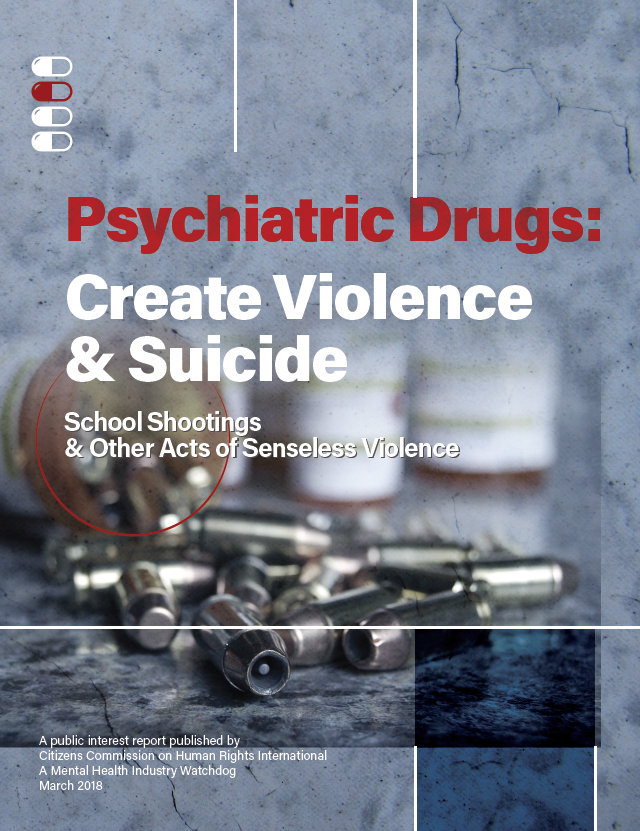
In 2018, I wrote a comprehensive report, Psychiatric Drugs Create Violence and Suicide, requested by a police officer who worked in domestic counter-terrorism and had witnessed the effects of psychiatric drug-induced violence. I updated the report recently with 145 cases of suspects committing horrendous acts of senseless violence while taking or withdrawing from psychiatric drugs.
CCHR is a leader in documenting the risks of psychotropic drugs, including addiction, sexual dysfunction, emotional numbing, violence, and suicide—warnings it helped achieve decades before today’s movement.
Today, as HHS Secretary Kennedy pushes for safe withdrawal and deprescribing, some psychiatrists worry it will discredit their field. They should be concerned. As one doctor admitted at the APA meeting, “Meds are not the answer.” Another reflected, “If I have any regrets…it’s about the medications that I did not withdraw sooner.”[12]
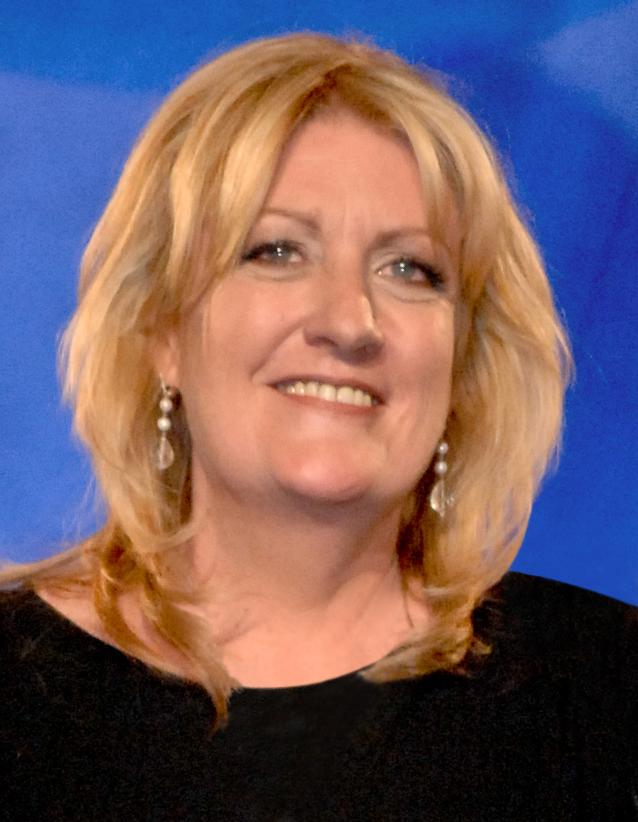
After 50 years of personal experience and dedicated advocacy alongside CCHR, which has most consistently fought for patients’ rights, I see this moment as a long-overdue turning point. CCHR has stood with survivors since 1991, when the issues of emotional numbing and other serious adverse effects were raised with the FDA. Those long-ago ignored voices, along with today’s survivors newly speaking out about withdrawal difficulties, are now being vindicated. It is time to de-anesthetize America, demand genuine informed consent, support safe withdrawal programs, and pursue truly safer alternatives. No one should have to endure what so many have been through. The voices of all survivors and the truth CCHR has championed for decades must now guide the path forward.
[1] Ellen Barry, “Kennedy’s Push to Curb Antidepressants Has Shaken Psychiatry,” The New York Times, 24 May 2026, https://www.nytimes.com/2026/05/24/science/rfk-jr-antidepressants-ssri-psychiatry.html
[2] https://www.cchrint.org/2013/09/17/stevie-nicks-on-her-former-psychiatrist-2/; “Stevie Nicks of Fleetwood Mac on her Pill Addiction,” Newsweek, 1 May 2011, https://www.newsweek.com/stevie-nicks-fleetwood-mac-her-pill-addiction-67619
[3] https://www.cchrint.org/2019/09/19/antidepressant-makers-20-million-secret-court-deal/; John Cornwell, The Power to Harm, (Penguin Books) New York, 1999; “Prozac maker secretly paid millions to secure favorable verdict in mass shooting lawsuit,” Courier Journal, 11 Sept. 2019
[4] https://www.cchrint.org/2019/09/19/antidepressant-makers-20-million-secret-court-deal/; Neal Knox Report, “Mass Murder Link,” Shotgun News, Omaha, Nebraska, 10 Dec. 1989; John Cornwell, The Power to Harm, (Penguin Books) New York, 1999
[5] Craig McLaughlin, “The Perils of Prozac,” San Francisco Bay Guardian, 4 July 1990
[6] Prozac Spontaneous Reporting System Adverse Drug Reactions, dated 17 Sept. 1991, obtained by CCHR International through Freedom of Information Act Request
[7] Prozac Spontaneous Reporting System Adverse Drug Reactions, dated 10 Oct. 1989, and on Elavil dated 14 Nov. 1989, obtained by CCHR International through Freedom of Information Act Request
[8] FDA Psychopharmacological Drugs Advisory Committee, Hearing into Antidepressants, 20 Sept. 1991
[9] FDA Psychopharmacological Drugs Advisory Committee, Hearing into Antidepressants, 20 Sept. 1991
[10] “Following Antidepressant Suicide Warning from FDA, Website Offers Abused Patients a Voice,” CCHR press release, 4 July 2005
[11] “Drug Warning,” FOX News, 18 Jan 2008, https://www.foxnews.com/story/drug-warning
[12] Ellen Barry, “Kennedy’s Push to Curb Antidepressants Has Shaken Psychiatry”
SHARE YOUR STORY/COMMENT