

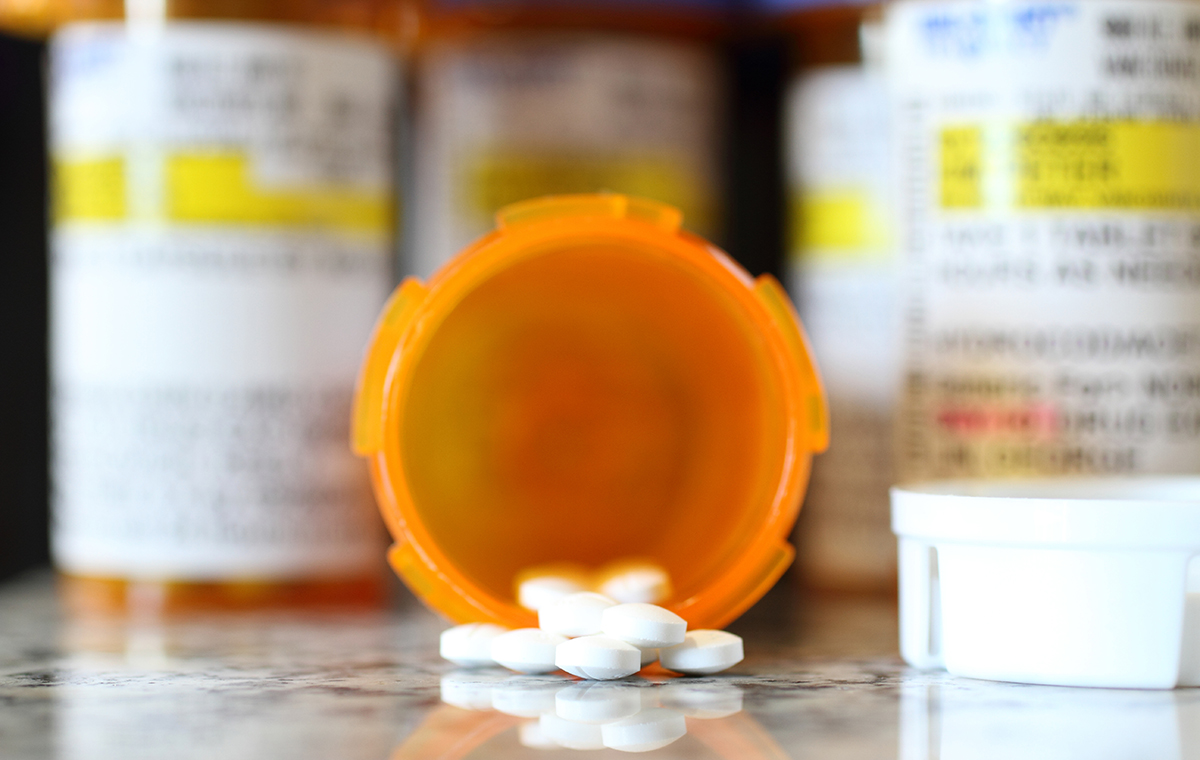
Safety signals spanning decades have not removed many high-risk psychiatric drugs from the market, prompting renewed scrutiny of federal regulators, as long-reported harm intensifies concerns over failures in public safeguards.
By Jan Eastgate
President CCHR International
February 16, 2026
More than 30 years after early warnings about antidepressant-linked suicidality and violence were downplayed, new peer-reviewed studies are again raising concerns about psychiatric drug oversight. Research published in leading psychiatric journals questions both the benefits of newer drugs and the safety of current prescribing, especially for young people. The findings point to a pattern of repeated safety signals but limited regulatory response, exposing many to serious risks.
High-risk drugs are seldom removed from the market and stronger safeguards are needed to protect public safety. Experts warn that rising polypharmacy is increasing healthcare costs while population mental-health outcomes worsen.[1]
A study published in the Journal of Clinical Psychiatry reported that none of the twenty-two psychiatric drugs approved by the United States Food and Drug Administration (FDA) between 2012 and 2024 had been shown to be clinically useful.[2] The findings underscore the need to overhaul psychiatric drug approval standards and investigate how many Americans may have been exposed to unnecessary risk.
Researchers noted that most approvals involved repurposed or “me-too” drugs that are very similar to existing ones with only minor chemical modifications. Examples included antipsychotics such as aripiprazole (Abilify) and lurasidone (Latuda), where approvals often represented expanded uses rather than innovations. The study pointed to a regulatory framework that permits market entry without strong evidence of real-world benefit.[3]
A separate study in the Journal of the American Academy of Child and Adolescent Psychiatry raised concerns about adverse psychotropic drug use and urged greater use of insurer data to flag high-risk prescribing. Psychotropic drug use among Americans aged six to twenty-four rose from 5.3 percent to 8.3 percent, with the largest increases in children aged six to eleven and young adults aged twenty to twenty-four. Stimulant use nearly doubled.
Researchers at the Perelman School of Medicine at the University of Pennsylvania, analyzing National Health and Nutrition Examination Survey data from 2001 to 2020, found that approximately 26% of young people taking these drugs were exposed to combinations classified as having major drug-interaction risks, most commonly involving antidepressants and antipsychotics. Because psychotropic drugs cross the blood–brain barrier, concurrent use can heighten the risk of central nervous system complications. Nearly half of antipsychotic users and just under half of antidepressant users had at least one major interaction risk, including abnormal heart rhythms, excessive sedation, or serotonin toxicity.[4]
A Decades-Long Controversy
From the early 1990s controversy over concealed SSRI suicide and violence risks to more recent failures to adequately warn about severe withdrawal effects and persistent sexual dysfunction, psychiatric drug regulation has faced repeated credibility challenges.
Concerns surrounding antidepressants were further highlighted in an article by A Midwestern Doctor, who argued that SSRI antidepressants are among the most harmful drugs on the market and, because of how widely they are prescribed, “have had a profound effect on the consciousness of our entire society.” The doctor asserts they can trigger psychotic violence, including suicides and sometimes mass shootings. The article says this side effect was identified in clinical trials but covered up by the FDA, even after the agency received a deluge of complaints (39,000 in the first nine years) after the first SSRI, Prozac, entered the market.[5]
The article includes a video of evidence from a 1991 FDA advisory hearing into SSRI antidepressants’ links to suicide and violence that Citizens Commission on Human Rights International helped obtain.
According to A Midwestern Doctor, “psychosis is just the tip of the iceberg for the mind-altering effects SSRIs have.” For example, in a survey of 1,829 patients on antidepressants in New Zealand:
- 62% reported sexual difficulties
- 60% felt emotionally numb
- 52% felt not like themselves
- 47% had experienced agitation
- 39% cared less about others.
Most importantly, respondents to that survey reported that their prescribers did not warn them about many of these side effects. Manufacturers, the article states, often promote the idea that normal emotions require lifelong SSRI treatment and that depression is caused by a “chemical imbalance in the brain,” despite debate over the evidence supporting this. Taking psychotropic drugs has made the nation “sicker.”[6]
Indeed, a literature review in Ethical Human Psychology and Psychiatry argued that the reported rise in “mental illness” over the past 50 years is most likely linked to widespread psychiatric drug prescribing. The authors suggested that some drugs increase the likelihood of a person becoming chronically ill, and can induce new or more severe psychiatric symptoms in a significant percentage of individuals.[7]
In December 2025, The Wall Street Journal Senior health and medicine writer Betsy McKay observed that psychiatric drugs have been in circulation so long that multiple generations within the same family now take them. At the same time, telehealth platforms have made access easier than ever, even as long-term users report serious repercussions. The article reported that benzodiazepines and antidepressants were never intended for long-term use, yet many Americans remain on them for years.[8]
More Drug Harm, More Deaths
Physician and pharmaceutical safety researcher Professor Peter Gøtzsche has estimated that among Americans aged 65 and older, psychiatric drugs—including neuroleptics, benzodiazepines, and antidepressants—may contribute to approximately 209,000 deaths annually. He has warned that polypharmacy greatly increases the risk of fatal drug interactions.[9]
Decades of evidence show a system that has failed to self-correct. After years of rising prescriptions and worsening mental-health statistics, repeated safety warnings have accumulated without an effective regulatory response. This points to a systemic problem in how psychiatric drugs are evaluated and monitored. Many carry serious risks yet remain widely prescribed.
When every wave of new psychiatric drugs is presented as a breakthrough, yet population mental health continues to decline, regulators must investigate why the approval system is protecting psychiatric-pharmaceutical interests above consumer safety.
The global psychotropic drug market generates tens of billions of dollars annually, creating strong commercial incentives to maintain products on the market. It is expected to reach $31.8 billion by 2035.[10] Critics argue that this financial reality makes independent post-marketing surveillance and stronger withdrawal mechanisms essential.
Antidepressants
A study in the International Journal of Risk and Safety in Medicine found that many medical websites significantly downplayed antidepressant risks. Applying fourteen evaluation criteria to websites across ten countries, researchers identified a consistent global pattern in which information on withdrawal, suicidality, and sexual side effects conflicted with scientific evidence.[11]
Researchers Martin Plöderl, Ph.D. and Michael P. Hengartner, Ph.D., have warned that rising antidepressant use has been associated with increased suicide rates and that evidence strongly suggests these drugs can induce suicidal and aggressive behavior in some individuals.[12]
Antidepressant-induced sexual dysfunction has also been documented as a serious and sometimes persistent risk involving structural and neurological effects.[13] A Spanish study of five of the most commonly prescribed SSRIs found that, on average, the drugs caused sexual disturbances in 59% of 1,022 (previously normal) patients, two-thirds of whom considered that dysfunction unacceptable.[14]
The Pharmaceutical Journal has reported that approximately 56% of users experience withdrawal effects, which can be misinterpreted as relapse, leading to prolonged prescribing.[15]
The debilitating withdrawal symptoms can include:
- The feeling of an electric shock in your arms, legs, or head (commonly referred to as “brain zaps”).
- Dizziness (mild to severe)
- Visual problems
- A large number of sensitivities (e.g., to light, heat, a supplement or food).
- Anxiety which comes and goes, sometimes in intense ‘surges’
- Difficulty in getting to sleep and vivid or frightening dreams
- Low mood, feeling unable to be interested in or enjoy things
- A sense of being physically unwell
- Rapidly changing moods (e.g., spontaneous weeping spells, attacks of sheer terror, or sudden plunges into unprecedented contentless black holes of pure dread).
- Anger, sleeplessness, tiredness, loss of co-ordination and headache
- A feeling that things are not real (‘derealisation’), or a feeling that you have ‘cotton wool in your head’
- Difficulty in concentrating
- Suicidal thoughts
- Queasiness or indigestion
- A feeling of inner restlessness and inability to stay still (this is known as akathisia and often precedes psychotic SSRI violence).
- Crippling muscle pain or spasms.[16]
Antipsychotics
Television advertisements acknowledge that antipsychotics can cause tardive dyskinesia (TD, tardive, meaning “late” and dyskinesia meaning, “abnormal movement”), a potentially permanent movement disorder. Estimates suggest it affects 20 to 50% percent of users.[17]
Risperidone (Risperdal) has been linked to breast growth (gynecomastia) in boys, sometimes requiring mastectomies.[18] Johnson and Johnson, the manufacturer of the antipsychotic, reported significant legal settlements ($800 million) related to these claims. [19] Recent lawsuits allege elevated breast cancer risks associated with certain antipsychotics in both women and men.[20]
Research has associated antipsychotic use with brain volume changes, increased dementia risk, and premature mortality. Some studies report cognitive improvement when individuals diagnosed with schizophrenia reduce or discontinue these drugs under medical supervision.[21]
Antipsychotic use in nursing homes remains a concern. For those with dementia, the risk of death could double while taking these.[22] Earlier safety warnings from FDA official Dr. David Graham estimated at least 15,000 annual deaths of nursing home residents from antipsychotic use.[23]
Stimulants
Stimulants prescribed for attention deficit hyperactivity disorder (ADHD) carry long-term risks. Despite high diagnosis rates, there is no biological test to confirm the condition. Long-term trials have shown limited sustained academic or social benefit, while there is measurable growth suppression.[24]
In 2023, the FDA required addiction warnings on stimulant labels, acknowledging that dependence can occur even when used as prescribed.[25] Other risks include cardiovascular complications, psychosis, aggression, and suicidal thoughts.[26]
Suicide is a major complication of withdrawal from amphetamine-like stimulants.[27]
Australia’s Therapeutic Goods Administration has warned that dexamfetamine should be discontinued if suicidal ideation, psychosis, or worsening aggression emerges, and that abrupt withdrawal after prolonged high dosing can cause extreme fatigue and depression. The most severe manifestation of chronic intoxication from the drugs is psychosis, which can be misdiagnosed as schizophrenia.[28]
Benzodiazepines-Sedative Hypnotics
These remain among the most widely prescribed drugs. Neurology International has warned they can cause severe dependence and life-threatening withdrawal. American Family Physician noted withdrawal can occur after only one month of daily use.[29]
In 2020, the FDA added boxed warnings for abuse, misuse, addiction, and overdose risk.[30] The Primary Care Companion for CNS Disorders reported that linked benzodiazepines are associated with increased suicide risk and behavioral disinhibition. possibly due to the fact they can increase impulsivity, aggression, or withdrawal symptoms.[31]
Other side effects include increased anxiety, agitation, hostility, aggression, confusion, disorientation, disinhibition, hallucinations, and slurred speech.[32]
Conclusion
After decades of rising prescriptions alongside worsening mental-health indicators, the evidence reveals a system that is not self-correcting. Repeated safety warnings, mounting injury reports, and questions about clinical benefit have accumulated for years with limited regulatory course correction.
At the same time, everyday behavioral and emotional struggles are increasingly framed as “psychiatric” conditions requiring drugs. When one drug fails to produce the desired effect, it is often replaced, increased, or combined with others. This cycle of expanding diagnoses and expanding prescriptions is a core part of the problem and has never been honestly confronted.
If the outcome of expanding psychiatric drug use is a sicker population and rising disability, then regulators must confront a hard question: how many more injuries and deaths will be tolerated before accountability replaces industry influence? Public safety demands a reset of the entire psychiatric diagnostic system and the drug approval and monitoring system.
Allowing high-risk drugs to remain on the market as evidence of harm grows is not precautionary healthcare—it reflects a regulatory failure, imperiling the lives of millions.
[1] A Midwestern Doctor, “The Truth About SSRI Antidepressants: What Everyone Needs to Know About Antidepressants,” The Forgotten Side of Medicine, 5 Feb. 2026, https://www.midwesterndoctor.com/p/the-truth-about-ssri-antidepressants?utm_source=post-email-title&publication_id=748806&post_id=184750716&utm_campaign=email-post-title&isFreemail=true&r=18l5a7&triedRedirect=true&utm_medium=email
[2] John Havik, MD. et al., “Innovation in Psychiatric Drug Development: A Quantitative Analysis of FDA-Approved Psychiatric Drugs, 2012–2024,” J Clin Psychiatry. 2026 Jan 12;87(1):25m16063, https://pubmed.ncbi.nlm.nih.gov/41532845/
[3] Peter Simons, “None of the 22 FDA Approvals for Psychiatric Drugs in the Last Decade Were ‘Clinically Useful,’” MAD, 2 Feb. 2026, https://www.madinamerica.com/2026/02/none-of-the-22-fda-approvals-for-psychiatric-drugs-in-the-last-decade-were-clinically-useful
[4] “1 in 4 Young People Using Psychotropic Drugs are Taking Dangerous Combinations,” Newswise, 4 Feb. 2026, https://www.newswise.com/articles/1-in-4-young-people-using-psychotropic-drugs-are-taking-dangerous-combinations; Lin-Chieh Meng, et. al., “Trends in Psychotropic Medication Use, Polypharmacy, and Potential Major Drug–Drug Interactions Among US Youth,” Journal of the American Academy of Child & Adolescent Psychiatry, Dec. 2025, https://www.sciencedirect.com/science/article/pii/S089085672502235X?ref=pdf_download&fr=RR-2&rr=9c8c12455976f552
[5] A Midwestern Doctor, “The Truth About SSRI Antidepressants: What Everyone Needs to Know About Antidepressants,” The Forgotten Side of Medicine, 5 Feb. 2026, https://www.midwesterndoctor.com/p/the-truth-about-ssri-antidepressants?utm_source=post-email-title&publication_id=748806&post_id=184750716&utm_campaign=email-post-title&isFreemail=true&r=18l5a7&triedRedirect=true&utm_medium=email
[6] A Midwestern Doctor, “The Truth About SSRI Antidepressants: What Everyone Needs to Know About Antidepressants,” The Forgotten Side of Medicine, 5 Feb. 2026, https://www.midwesterndoctor.com/p/the-truth-about-ssri-antidepressants?utm_source=post-email-title&publication_id=748806&post_id=184750716&utm_campaign=email-post-title&isFreemail=true&r=18l5a7&triedRedirect=true&utm_medium=email
[7] https://psycnet.apa.org/record/2005-07739-003
[8] “Is America on Too Many Psychiatric Drugs?, The Journal, 3 Dec. 2025, based on report by WSJ’s Shalini Ramachandran and Betsy McKay, https://www.wsj.com/podcasts/the-journal/is-america-on-too-many-psychiatric-drugs/53eae650-b297-4ec8-a2e2-c50168f597c8?gaa_at=eafs&gaa_n=AWEtsqcROQC0rB74NakM1NSqNOVuHzL2XoNPMOl_G2xYVhzb7zf0F74XQLgb&gaa_ts=6984f988&gaa_sig=GEFZ8nPqgZWEuJnsbDGLjnpoc62NDkYGYOpxZ8uJCBT7ggFWw3z_IPRk93pwfapT9c_PzqG7SrYniWY086rucw%3D%3D
[9] https://www.cchrint.org/2025/06/20/profiting-from-elder-harm-end-psychiatric-drugging-nursing-homes/; Peter C. Gøtzsche, “Prescription Drugs Are the Leading Cause of Death,” Brownstone Institute, 16 Apr. 2024, https://brownstone.org/articles/prescription-drugs-are-the-leading-cause-of-death/
[10] https://www.futuremarketinsights.com/reports/psychotropic-drugs-market
[11] https://www.cchrint.org/2020/04/21/watchdogs-research-on-psychotropic-drug-risks-expands-as-usage-soars/; “Antidepressants and Online Misinformation: A study of medical websites finds widespread misreporting,” Psychology Today, 13 Apr. 2020, https://www.psychologytoday.com/ca/blog/side-effects/202004/antidepressants-and-online-misinformation
[12] https://www.cchrint.org/2020/04/21/watchdogs-research-on-psychotropic-drug-risks-expands-as-usage-soars/; Martin Plöderl, PhD & Michael P. Hengartner, Ph.D., “Suicides Are Increasing – And So Are Antidepressant Prescriptions,” MAD, 23 Aug. 2018, https://www.madinamerica.com/2018/08/suicides-are-increasing-and-so-are-antidepressant-prescriptions/
[13] https://www.cchrint.org/2026/01/09/mounting-evidence-of-persistent-sexual-dysfunction-from-antidepressants-demands-fda-action/; A Goldstein, N Kim, et al., “Sexual Symptoms and Biologic Pathophysiologies of Post-SSRI Sexual Dysfunction (PSSD): A 15-Year Review,” Journal of Sexual Medicine, 9 Dec. 2025, https://academic.oup.com/jsm/article/22/Supplement_4/qdaf320.309/8375231
[14] A Midwestern Doctor, “The Truth About SSRI Antidepressants: What Everyone Needs to Know About Antidepressants,” The Forgotten Side of Medicine, 5 Feb. 2026, https://www.midwesterndoctor.com/p/the-truth-about-ssri-antidepressants?utm_source=post-email-title&publication_id=748806&post_id=184750716&utm_campaign=email-post-title&isFreemail=true&r=18l5a7&triedRedirect=true&utm_medium=email
[15] https://www.cchrint.org/2020/04/21/watchdogs-research-on-psychotropic-drug-risks-expands-as-usage-soars/; “Antidepressant withdrawal can be a horrible experience — are tapering strips a potential solution?,” The Pharmaceutical Journal, 8 Apr. 2020, https://pharmaceutical-journal.com/article/opinion/antidepressant-withdrawal-can-be-a-horrible-experience-are-tapering-strips-a-potential-solution
[16] A Midwestern Doctor, “The Truth About SSRI Antidepressants: What Everyone Needs to Know About Antidepressants,” The Forgotten Side of Medicine, 5 Feb. 2026, The Truth About SSRI Antidepressants
[17] https://www.cchrint.org/2021/10/11/consumers-beware-of-antipsychotics-long-term-debilitating-effects/; Elyse M. Cornett, PhD, “Medication-Induced Tardive Dyskinesia: A Review and Update,” The Ochsner Journal, Summer 2017, https://www.ncbi.nlm.nih.gov/pmc/articles/PMC5472076/
[18] Paul Tassin, “Risperdal Gynecomastia Trial Yields $500K Award for Plaintiff,” Top Class Actions, 8 Jan. 2016, https://topclassactions.com/lawsuit-settlements/lawsuit-news/risperdal-trial-yields-500k-award-for-plaintiff/; https://www.cchrint.org/2014/01/03/johnson-johnson-risperdal-linked-to-male-breast-development/
[19] https://www.drugwatch.com/risperdal/lawsuits/
[20] https://www.wisnerbaum.com/prescription-drugs/antipsychotics-and-breast-cancer-lawsuits/
[21] Richard Sears, “Overuse of Psychiatric Drugs is Worsening Public Mental Health, Doctor Argues,” MAD, 17 Dec. 2017, https://www.madinamerica.com/2021/12/overuse-psychiatric-drugs-worsening-public-mental-health-doctor-argues
[22] https://www.cchrint.org/2025/06/20/profiting-from-elder-harm-end-psychiatric-drugging-nursing-homes/ Bridget Sleap, “‘Chemical Restraints’ Deprive Older People of Liberty,” Human Rights Watch, 19 Sept. 2022, https://www.hrw.org/news/2022/09/19/chemical-restraints-deprive-older-people-liberty
[23] https://www.cchrint.org/2025/06/20/profiting-from-elder-harm-end-psychiatric-drugging-nursing-homes/; Testimony by Dr. David Graham, House Hearing, 110th Congress – The Adequacy of FDA to Assure the Safety of the Nation’s Drug Supply General, 13 Feb. 2007, https://www.govinfo.gov/content/pkg/CHRG-110hhrg35502/pdf/CHRG-110hhrg35502.pdf, p. 66
[24] https://www.cchrint.org/2025/05/30/federal-report-confirms-psychotropic-drugging-children-national-crisis/; “Diagnosis and Treatment of Attention Deficit Hyperactivity Disorder,” National Institutes of Health Consensus Development Conference Statement, November 16-18, 1998; https://www.accessdata.fda.gov/drugsatfda_docs/label/2023/021303s038lbl.pdf; https://pmc.ncbi.nlm.nih.gov/articles/PMC11829807/
[25] https://www.cchrint.org/2023/05/16/fda-finally-adds-addiction-to-black-box-warning-on-adhd-drugs/; “Methylphenidate [A Background Paper],” U.S. Drug Enforcement Administration, Oct. 1995, p. 16
[26] https://www.cchrint.org/2022/03/21/adhd-marketing-brands-children-to-hook-them-on-psychostimulants/; Ryan D’Agostino, “The Drugging of the American Boy,” Esquire, 27 Mar. 2014, https://www.esquire.com/news-politics/a32858/drugging-of-the-american-boy-0414/
[27] https://www.cchrint.org/2022/03/21/adhd-marketing-brands-children-to-hook-them-on-psychostimulants/; Diagnostic and Statistical Manual of Mental Disorder (DSM-III-R), (American Psychiatric Association, Washington, D.C., 1987), p. 136
[28] https://www.cchrint.org/2022/12/09/common-stimulant-prescribed-to-children-and-teens-has-homicidal-warning/; AUSTRALIAN PRODUCT INFORMATION ASPEN DEXAMFETAMINE (dexamfetamine sulfate) tablets, 15 Oct. 2021
[29] https://www.cchrint.org/2023/08/30/mental-health-watchdog-highlights-global-benzodiazepine-risks/; Amber N. Edinoff, Catherine A. Nix, et al., “Benzodiazepines: Uses, Dangers, and Clinical Considerations,” Neurology International, 2021, 13(4), 594-607, https://www.mdpi.com/2035-8377/13/4/59; Brian Johnson, M.D. and Jon Streltzer, M.D., “Risks Associated with Long-Term Benzodiazepine Use,” American Family Physician, 2013;88(4):224-225, https://www.aafp.org/pubs/afp/issues/2013/0815/p224.html
[30] https://www.cchrint.org/2025/05/30/federal-report-confirms-psychotropic-drugging-children-national-crisis/; “FDA requiring Boxed Warning updated to improve safe use of benzodiazepine drug class. Includes potential for abuse, addiction, and other serious risks,” Food and Drug Administration, 23 Sept. 2020
[31] https://www.cchrint.org/2023/08/30/mental-health-watchdog-highlights-global-benzodiazepine-risks/; Tyler J. Dodds, MD, “Prescribed Benzodiazepines and Suicide Risk: A Review of the Literature,” The Primary Care Companion for CNS Disorders, 2017, http://www.psychiatrist.com/PCC/article/Pages/2017/v19n02/16r02037.aspx
[32] https://www.cchrint.org/2023/08/30/mental-health-watchdog-highlights-global-benzodiazepine-risks/; https://www.accessdata.fda.gov/drugsatfda_docs/label/2016/017794s044lbl.pdf
SHARE YOUR STORY/COMMENT