

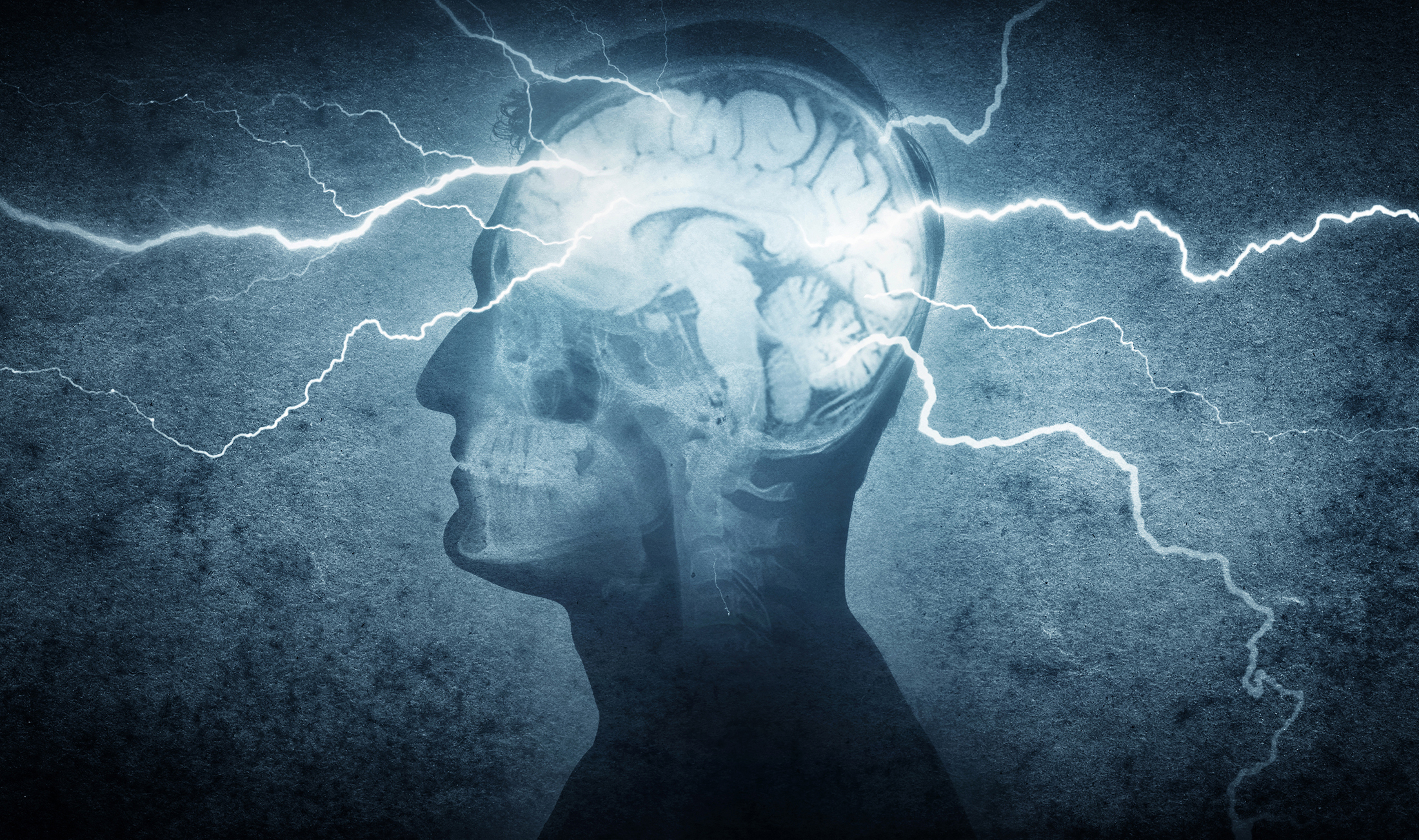
A national coalition of health and human rights advocates, attorneys, and ECT survivors unite to expose the FDA’s flawed ECT rule and call for federal action to stop a device they argue inflicts brain damage and violates international human-rights standards.
By Jan Eastgate
President CCHR International
December 8, 2025
The newly formed Stop ECT Coalition, comprising a consortium of health and human rights organizations representing hundreds of thousands of individuals, has launched a nationwide campaign urging a review of the Food and Drug Administration (FDA)’s 2018 rule on electroconvulsive therapy (ECT) devices and the need to ban them. Citizens Commission on Human Rights International (CCHR) and its U.S. chapters are among the groups joining the Global Wellness Forum, Stand for Health Freedom.[1]
ECT delivers up to 460 volts of electricity through the brain to induce a grand mal seizure. Psychiatrists concede they do not know how the procedure “works” and that its mechanism does not cure any underlying biological abnormality or mental disturbance.
An 80-Year-Old Device with No Proven Safety or Efficacy
More than 80 years after its introduction, neither safety nor efficacy has been scientifically established, yet at least 100,000 Americans are electroshocked annually. This is a number commonly cited by psychiatrists and the FDA, although it is based on an outdated 1995 estimate.[2] Adjusted for population growth, today’s figure may exceed 125,000.
ECT devices were “grandfathered” into FDA regulation in 1976 as a Class III high-risk device, which bypassed modern standards requiring a Premarket Approval (PMA), which includes clinical trials proving safety and efficacy (SE). In 2018, the FDA down-classified ECT devices to moderate risk (Class II) without SE trials. The FDA knew manufacturers had refused to produce a PMA in 40 years for the device and would need to be reduced to Class II, which circumvents a PMA entirely.
The Coalition emphasizes: “This incorrect classification allowed ECT devices to be used on children as young as five, pregnant women, seniors, veterans, and other vulnerable persons…Involuntary application—still occurring in some U.S. facilities—has been condemned by the United Nations and World Health Organization as a human-rights abuse.”[3]
The UN Committee Against Torture explicitly states that involuntary ECT can constitute torture.
Under the Federal Food, Drug and Cosmetic Act (FDCA), 21 U.S.C. § 360f (FDCA Section 516), the FDA has full authority to ban any device posing an “unreasonable and substantial risk” of injury.[4] The Coalition argues ECT devices meet this threshold: decades of research document brain damage, memory loss, cognitive deficits, and mortality, while regulators have never required evidence of long-term safety or effectiveness.[5]
Coalition members urge Americans to email their representatives and request legislation revoking the Class II designation.
Off-Label Use, APA Influence, and FDA Evasion
Although the FDA’s Final Order in 2018 applies only to certain indications in patients aged 13 and older, psychiatrists may prescribe ECT off-label for any disorder, including dementia-related agitation or autism. The American Psychiatric Association (APA) even advocates ECT for children younger than 13.[6]
In its 2009–2010 review, the FDA relied on just 68 studies out of more than 1,160 relevant papers, excluding research documenting neurological harm or lack of benefit.[7] Of more than 3,000 public comments submitted, 79% opposed lowering the risk classification—yet the agency proceeded anyway, arguing that warning labels and informed consent would mitigate risk.[8]
Those labels include:
- “Warning: ECT device use may be associated with disorientation, confusion, and memory problems.”
- “Warning: …The long-term safety and effectiveness of ECT treatment has not been demonstrated.”[9]
Despite this, the APA’s own consent form falsely claims: “Most patients report that memory is actually improved by ECT.”[10]
Most strikingly, the FDA stated: “Even if the ECT device presents a potential unreasonable risk of illness or injury, FDA may still reclassify the device from class III [high risk] to II….”
It was clear in the FDA’s 2011 Neurological Devices Advisory Committee public hearing regarding ECT that ECT devices would not be removed from the market, regardless of evidence. Dr. Jane Paulsen, Professor of Neurology and Psychiatry, University of Iowa, stated, “We aren’t going to be shutting down ECT. We’re not going to be taking a device off the market….”[11]
Days before the hearing, Dr. Matthew Rudorfer of the National Institute of Mental Health, overseeing ECT research grants, told The New York Times that clinical trials “might be too expensive” for manufacturers; a co-owner of Somatics echoed that the industry could not afford the required research.[12]
Instead, the FDA determined the risks to health from class II ECT devices could be addressed through general and special controls that would mitigate the risks. These “controls” are largely labeling language and informed consent text, not past or new clinical safety evidence to prove these were effective.
Injury as the Mechanism: Why Consent Cannot Neutralize Intrinsic Harm
ECT’s mechanism requires disrupting brain function with electricity. The FDA itself acknowledges risks, including:
- Burns, fractures, dental injury
- Prolonged seizures
- Pulmonary and cardiovascular complications
- Stroke
- Death[13]
When the mechanism itself causes injury, informed consent cannot prevent it. Warning someone that a procedure may harm them has no mitigating effect if the harm is biologically inevitable.
An Analogy About Consent — Not About Comparing Harms
To illustrate the principle—and only the principle—of why “being warned” cannot neutralize an intrinsically damaging intervention, consider the following historical example. This is not to compare ECT to the scale of atrocities and murders of the Holocaust. The point concerns the impossibility of consent mitigating harm when the harm is built into the intervention itself.
In the Nazi concentration camps, had inmates been informed that the “showers” used a disinfecting chemical that may cause dizziness, vomiting, convulsions, slowed heart rate, respiratory failure, and potentially death, that information would not have changed the real intent or outcome. Zyklon-B, used in that manner, was inherently lethal. Knowledge could not have mitigated or prevented the fatal result (and a refusal to consent would not have spared inmates from being subjected to it).
The point is: When the harm is built into the mechanism, “consent” or “warning” cannot neutralize the damage.
ECT’s mechanism requires electrical current to disrupt brain function and induce a generalized seizure. The neurological injury is not incidental—it is fundamental to how the procedure operates. As with any intervention where the mechanism itself causes injury, disclosing the risks cannot prevent them. It simply records that the individual was told. Consent forms do not transform a destructive intervention into a therapeutic one.
Scientific Contradictions in the FDA’s Classification
In its Final Rule, the FDA issued a split classification, downgrading ECT devices to Class II for certain psychiatric indications in adults and adolescents 13+ (e.g., “treatment-resistant” depression and catatonia), while keeping them Class III for all other uses. This placed ECT into the same risk category as contact lenses, mercury thermometers, condoms, and pregnancy tests.[14]
It raises basic scientific questions:
- How can identical electrical current be “moderate risk” for depression but “high risk” for other disorders?
- What biological mechanism allows electricity to distinguish between diagnoses?
- How can the risk profile depend on labels rather than physiology?
This is regulatory fiction, not scientific reasoning.
Brain Damage: Ignored, Denied, Yet Documented
Attorney Jonathan Emord, who has defeated the FDA more times than any attorney in U.S. history, stated in his Citizen Petition against ECT: “The FDA has utterly ignored clear-cut evidence of brain damage, memory loss, and death resulting from ECT. ECT is barbaric and should be removed from the market.”[15]
Key expert findings include:
- Prof. John Read: ECT offers no long-term benefit over placebo and can cause brain damage, which is often not visible on scans.[16]
- Psychiatric News (2016): Psychiatrists do not know how ECT works; one theory historically proposed that it caused a “good kind of brain damage.”[17]
- Dr. Ken Castleman, biomedical engineer: Electrical current passing through the brain becomes heat, which can cause cell dysfunction or death—basic, uncontroversial physics.[18]
- 2018 California court: A jury could reasonably conclude ECT causes brain damage. Manufacturer Somatics LLC settled and warned consumers of “permanent brain damage.”[19]
- Expert testimony accepted by the Nebraska Supreme Court (2025) concluded that “ECT causes persistent or permanent memory loss and brain damage in a substantial proportion of recipients—somewhere between 12 percent and 55 percent.”[20]
The FDA and its advisory panel dismissed extensive research on brain damage by asserting, without any scientific basis, that studies conducted before 1979 lacked adequate technology.
This sidesteps the obvious: If earlier technology could not detect injury, that is a reason for more research, not a basis for dismissing risk.
A Device the FDA Cannot Control
Once cleared, the FDA does not regulate how psychiatrists use ECT, including off-label use on children, autism, or involuntary patients. In its Final Order, it claimed involuntary ECT is uncommon: “In every State in the United States, the administration of ECT on an involuntary basis requires a judicial proceeding.”[21]
Yet a legal review found:
- 33 U.S. jurisdictions (including D.C. and Puerto Rico) have no explicit laws or administrative codes addressing ECT.[22]
- Six states have no ECT laws at all.[23]
The FDA did not research the actual legal landscape; it repeated a claim that is incorrect, legally indefensible, and dangerous.
Three-quarters of ECT recipients have been found to be women[24] and children, as young as 8, experiencing autism have been subjected to it.[25] One autistic teenager was administered electroshock about 260 times.[26]
Meanwhile, the APA urges ECT as a “first-line or primary treatment,” contradicting the FDA’s own statement that ECT is not a first-line intervention.[27]
International and national standards were also ignored:
- World Health Organization (2005): “There are no indications for the use of ECT on minors; this should be prohibited through legislation.”[28]
- California (1976) and Texas (1993) bans on ECT for minors.
- Western Australia (2014) ban on ECT under age 14, and the Australian Capital Territory bans for minors under age 12.
The FDA refused to consider the Australian ban because it did not fall within the FD&C Act in the U.S. Yet it relied on UK sources, including the National Institute for Clinical Excellence (NICE), when it suited it, but ignored NICE’s warnings that no mechanism of action exists and long-term research is urgently needed.[29]
ECT vs. Devices the FDA Has Banned
The FDA has banned only two devices since 1976: artificial hair implants and powdered surgical gloves, neither of which caused seizures, neurological injury, cognitive impairment, or death.[30] ECT, by contrast, poses systemic, brain-disrupting risks far beyond either device.
Documented adverse effects of ECT include:
- Permanent retrograde amnesia
- Lasting cognitive deficits
- Cardiovascular and respiratory complications
- Dental, oral, and musculoskeletal injury
- Manic reactions
- Prolonged seizures
- Death
- Brain damage acknowledged by survivors, researchers, and device manufacturers
No consent form or “special control” can arrest electrical current mid-brain to prevent these outcomes.
Time for Legislative Intervention
Robert Rubinstein, a former psychiatry professor at the University of California in San Francisco, compared ECT to “kicking a Swiss watch… I can see very little if any reason to use it.”[31] Australian psychiatrist Dr. Niall McLaren is unequivocal: “No psychiatrist needs to use ECT.”[32]
Legislators now have both the authority and the duty to intervene where the FDA has failed. The public, especially children, seniors, pregnant women, veterans, and involuntary patients, deserves protection from a device whose harms are intrinsic and irremediable.
People should be deeply concerned that this shock-box device remains on the market. Visit StopECT.com to learn more and take action.
About the Author: Jan Eastgate is the President of Citizens Commission on Human Rights International and has spent 48 years investigating and exposing the harms associated with electroconvulsive therapy (ECT). A survivor of electroshock in the 1970s, her experience and decades of research have been featured in the documentary Therapy or Torture: The Truth About Electroshock. She has since worked globally with lawmakers, medical experts, and human-rights advocates to push for legislative protections and a ban on ECT.
[1] https://stopect.com/coalition
[2] Richard C. Hermann, et al., “Variation in ECT Use in the United States,” The American Journal of Psychiatry, 152:6, Jun 1995, https://psychiatryonline.org/doi/10.1176/ajp.152.6.869
[3] https://stopect.com/coalition
[4] https://www.law.cornell.edu/uscode/text/21/360f
[5] https://stopect.com/email-congress
[6] Resource Document on the FDA Final Order to Reclassify ECT Devices, Approved by the Joint Reference Committee, American Psychiatric Association, February 2019
[7] FDA ECT Executive Summary, 2009-2010, p. 12
[8] Jonathon Emord, Kendrick Moxon, Citizens Petition to the FDA, 24 Aug. 2016, http://emord.com/blawg/wp-content/uploads/2016/08/1-ECT-Citizen-Petition.pdf
[9] Neurological Devices; Reclassification of Electroconvulsive Therapy Devices; Effective Date of Requirement for Premarket Approval for Electroconvulsive Therapy Devices for Certain Specified Intended Uses,” Federal Register, FDA, 26 Dec. 2018, p. 45, https://www.federalregister.gov/documents/2018/12/26/2018-27809/neurological-devices-reclassification-of-electroconvulsive-therapy-devices-effective-date-of, under Response 23, “Response” 4; § 882.5940 Electroconvulsive therapy device, (J)
[10] Harold Robertson and Robin Prior, “Memory and cognitive effects of ECT: informing and assessing patients,” Cambridge University Press, 2 Jan. 2018, https://www.cambridge.org/core/journals/advances-in-psychiatric-treatment/article/memory-and-cognitive-effects-of-ect-informing-and-assessing-patients/DD5C63934357779765BA7ADF308275AE
[11] FDA Hearing on ECT, “CENTER FOR DEVICES AND RADIOLOGICAL HEALTH MEDICAL DEVICES ADVISORY COMMITTEE, NEUROLOGICAL DEVICES PANEL,” 28 Jan. 2011, pp. 435-436, https://wayback.archive-it.org/7993/20170114044023/http://www.fda.gov/downloads/AdvisoryCommittees/
CommitteesMeetingMaterials/MedicalDevices/MedicalDevicesAdvisoryCommittee/
NeurologicalDevicesPanel/UCM247595.pdf
[12] Duff Wilson, “F.D.A. Is Studying the Risk of Electroshock Devices,” The New York Times, 23 Jan 2011, http://www.nytimes.com/2011/01/24/business/24shock.html; Extramural Programs and Contacts (Listed by Division), National Institute of Mental Health, https://www.nimh.nih.gov/about/organization/extramural-programs-and-contacts-listed-by-division.shtml, accessed 2 May 2017
[13] Neurological Devices; Reclassification of Electroconvulsive Therapy Devices; Effective Date of Requirement for Premarket Approval for Electroconvulsive Therapy Devices for Certain Specified Intended Uses,” Federal Register, FDA, 26 Dec. 2018, p. 45, https://www.federalregister.gov/documents/2018/12/26/2018-27809/neurological-devices-reclassification-of-electroconvulsive-therapy-devices-effective-date-of, Electroconvulsive therapy device, (ix) Patient labeling must be provided and include (H) (3)
[14] https://www.innovatum.com/understanding-difference-class-class-ii-medical-devices/
[15] https://www.prnewswire.com/news-releases/jonathan-emord-goes-round-two-with-the-fda-on-electroshock-devices-300509270.html
[16] John Read, professor of clinical psychology, Sue Cunliffe “Should we stop using electroconvulsive therapy?” BMJ (British Medical Journal), 30 Jan. 2019, https://www.bmj.com/content/364/bmj.k5233; “Controversial electric shock treatment for severe depression could cause permanent brain damage and ‘should be stopped’, leading expert warns,” The Daily Mail, 23 Feb. 2019, https://www.dailymail.co.uk/news/article-6738197/Controversial-electric-shock-treatment-severe-depression-cause-permanent-brain-damage.html
[17] https://psychiatryonline.org/doi/full/10.1176/appi.pn.2016.4b2 ;
[18] https://www.cchrint.org/ect-basics/
[19] Gina Teixeira, “Exploring Connecticut Law in Treatment without Consent Cases,” Connecticut Lawyer, Mar/Apr 2020, https://www.ctbar.org/docs/default-source/publications/connecticut-lawyer/ctl-vol-30/4-march-april-20/ctl-marapr-20—treatment-without-consent-cases.pdf; https://www.nhd.uscourts.gov/sites/default/files/Opinions/2022/22NH121.pdf
[20] Thelen v. Somatics, LLC, No. 23-13892 (11th Cir. 2025), https://law.justia.com/cases/federal/appellate-courts/ca11/23-13892/23-13892-2025-09-29.html
[21] Federal Register Volume 83, Issue 246, 26 Dec. 2018, https://www.govinfo.gov/content/pkg/FR-2018-12-26/html/2018-27809.htm
[22] http://www.jaapl.org/content/34/3/406.full.pdf
[23] https://pubmed.ncbi.nlm.nih.gov/28991068/
[24] Morrison L, Cunliffe S, Hancock SP, Harrop C, Johnstone L, Read J., “Electroconvulsive therapy and women: An international survey,” Health Care Women Int., 2025 Nov 19:1-29, https://pubmed.ncbi.nlm.nih.gov/41255222/
[25] https://www.cchrint.org/2024/05/17/cchr-exposes-two-thirds-of-electroshock-therapy-victims-are-women/
[26] https://www.cchrint.org/2020/09/29/cchr-drugs-electroshock-to-0-17-year-olds-and-pregnant-women-needs-urgent-change; https://www.bbc.com/news/magazine-39961472
[27] “Recommendations for Treatment, Training and Privileging Second Edition,” A Task Force Report of the American Psychiatric Association, 2001, p. 11
[28] “WHO RESOURCE BOOK ON MENTAL HEALTH, HUMAN RIGHTS AND LEGISLATION,” World Health Organization, 2005, p. 64
[29] “Neurological Devices; Reclassification of Electroconvulsive Therapy Devices Intended for Use in Treating Severe Major Depressive Episode in Patients 18 Years of Age and Older Who Are Treatment Resistant or Require a Rapid Response; Effective Date of Requirement for Premarket Approval for Electroconvulsive Therapy for Certain Specified Intended Uses,” FDA Proposed Rule, 29 Dec. 2015, https://www.federalregister.gov/documents/2015/12/29/2015-32592/neurological-devices-reclassification-of-electroconvulsive-therapy-devices-intended-for-use-in
[30] https://www.fda.gov/medical-devices/medical-device-safety/medical-device-bans
[31] https://truthaboutect.org/electroshock-the-redefinition-of-assault-and-battery/; Jim Stratton, “Shock Therapy,” Daily Press, 13 Aug. 1995, https://www.dailypress.com/1995/08/13/shock-therapy/
[32] Niall McLaren, “No Psychiatrist Needs to Use ECT,” 27 June 2017; https://www.cchrint.org/2019/07/02/psychiatrists-got-it-wrong-on-electroshock-wsj/
SHARE YOUR STORY/COMMENT