Posts Tagged ‘Ritalin’

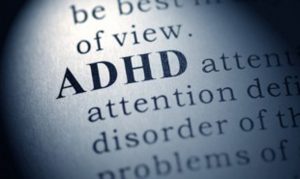
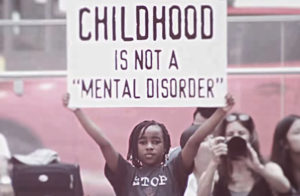
ADHD: Has this diagnostic fad run its course?

Friday, August 20th, 2010

“On a societal level, we take responsibility for the fact that the diagnostic labels we have accepted, and pharmacological interventions we have embraced, are harming children and that we have no right to ask children to bear those harms. On a personal level, we place the difficulties of childhood within the context of the life of each child, and within the nature of childhood itself. We make a commitment to helping children be their best selves, and above all, we do the best we can to make sure that we never use our positions of authority to harm anyone.” Professor Stephen R. Herr

The Christian Science Monitor

August 20, 2010

The idea of Attention Deficit Hyperactivity Disorder (ADHD) as a credible diagnostic term has passed and it is time that we accept that and move on. Fads and disappointments are not new to the field of psychology nor is the need for people to get beyond them.

Phrenology,  hysteria, eugenics, compulsory sterilizations, shock therapy, and Thalidomide all at one time had some grounding in hope and reason. For awhile, each of them captured the imagination, but over time each led to more pain than good, and for that reason they all got left behind.

Like diagnostic fads before it, ADHD has been in many ways a disorder of its time.

Previous diagnostic fads

Hysteria found expression in a Victorian-era society that vigorously attempted to constrain the lives of women. The eugenics movement addressed societal concerns of the early 20th century relating to burgeoning minority populations.

ADHD became a popular diagnosis in the 1980s as more parents went to work and the role of schools and teachers changed. If we look at the history of our culture and the ailments that have plagued it, is not difficult to see why people in positions of authority told women that they were weak, minorities that they were feeble-minded, and children that they had a psychological disorder: It was easier for them than addressing the difficult conditions that women, minorities, and children faced.

At one time, ADHD appeared to be a reasonable theory that might help people address genuine concerns.  Raising children can be hard,  especially when adults are tired, frustrated, overwhelmed, and riddled with self-doubt. Beyond that, children can be annoying; They fidget, they interrupt, they don’t pay attention, and they don’t always do what they are told.

The behaviors of children and the difficulties of adults often lead to guilt, worry, and a sense of wrong that concerned adults feel a responsibility to address. The creation of ADHD as a psychological disorder was in part an attempt to deal with some of the difficulties of raising children. Unfortunately, that attempt has fallen short and led to new problems in recent years.

On a diagnostic level, ADHD is problematic. After generations of research, there is still no test for ADHD, nor is there a standard diagnostic measure within the profession.

A huge – and lucrative – market

What started out as a theory articulated by professionals is now an urban legend. Parents, teachers, talk show hosts, friends, neighbors and even the person you’re standing next to in the grocery store each believe that they can diagnose and treat ADHD. This superfluity of focused misinformation has helped fuel a pharmacological intervention that would have seemed absurd two generations ago. As of 2006, 4.5 million kids have been diagnosed with ADHD, with nearly half taking medication. In 2008, the ADHD pharmaceutical market was worth $4 billion.

Another problem with our fixation on ADHD is that it is not working. Again, even after generations of research there is no evidence that suggests placing children on Schedule II drugs such as Ritalin, Adderall, or Vyvanse improves their intellectual abilities over an extended period, or that these drugs affect children with ADHD any differently than they affect any other child. A stimulant is a stimulant is a stimulant. What we do know is that the use of these drugs can be debilitating, addictive, and deadly.

And just this week, a Michigan State University study found that nearly one million children in America are potentially misdiagnosed with ADHD – in large part because they were the youngest and least mature in their kindergarten classes.

Maybe the greatest problem regarding ADHD as a diagnostic label is that our faith in that label has distracted us and kept us from looking for the better understandings we should be seeking. Stress and sleeplessness lead to inattention. Frustration leads to anger and rebellion. Depression leads to indifference and a lack of enthusiasm.

Probably one of the best ways to make sense of children and the rise of ADHD is for adults to focus on some basic questions. Don’t most adults become distracted when they are tired? Don’t most adults become fidgety when they are bored? Don’t most adults lose interest in their work when they don’t see any significance in what they are doing? And when adults wrestle with concerns relating to stress, sleeplessness, frustration, and depression, aren’t the responses often “get some rest,” “exercise” “start eating better,” and “try finding something you’re interested in”?

As adults, aren’t some of our most meaningful discussions about how to live a meaningful life? If that’s the case for adults, why don’t we put more emphasis on these sorts of answers for children? Wouldn’t more rest, better meals, more exercise, and a greater focus on helping children understand their interests serve most children well?

Read the rest of this article here:  http://www.csmonitor.com/Commentary/Opinion/2010/0819/ADHD-Has-this-diagnostic-fad-run-its-course

« Return to news items


  • Share/Bookmark

USA Today: Researchers say nearly 1 million kids diagnosed “ADHD” simply because they’re youngest in their class

Tuesday, August 17th, 2010

USA Today
By Liz Szabo
August 17, 2010

Nearly 1 million children may have been misdiagnosed with attention deficit hyperactivity disorder, or ADHD, not because they have real behavior problems, but because they’re the youngest kids in their kindergarten class, researchers say.

Kids who are the youngest in their grades are 60% more likely to be diagnosed with ADHD than the oldest children, according to a study out today from Michigan State University, given exclusively to USA TODAY. A second study, by researchers at North Carolina State University and elsewhere, came to similar conclusions. Both are scheduled for publication in the Journal of Health Economics.

TEENS: 1/3 with ADHD drop out or delay graduation

About 4.5 million children have been diagnosed with ADHD, according to the studies.

Misdiagnosing children can have long-lasting effects, says assistant professor of economics Todd Elder, author of the Michigan State study. In fifth and eighth grade, the youngest kids in a class were more than twice as likely to use Ritalin, a stimulant commonly prescribed for ADHD, compared with the oldest students, his study says.

While many parents say Ritalin has helped their kids, it also can have significant side effects, causing headaches, dizziness and even high blood pressure, according to the paper from North Carolina State.

The findings could influence the way that teachers evaluate children with ADHD symptoms — as well as complicate parents’ decisions about when to start children in kindergarten, Elder says.

Read entire article here:  http://www.usatoday.com/news/health/2010-08-17-1Aadhd17_ST_N.htm

« Return to news items


  • Share/Bookmark

Psychiatric Meds 101: A Surprising Discovery

Tuesday, July 20th, 2010

By Shane “The People’s Chemist” Ellison
Author, Over-The-Counter Natural Cures

I may be a perfect candidate for psychiatry.

I ask questions with period marks to shorten conversations. I avoid eye contact with strangers in fear (maybe it’s anxiety) that I might learn too much about them. I secretly think that Metallica would be making better music if they went back to bludgeoning themselves with party drugs and alcohol, instead of “therapy.” I’m trying to master the Law of Un-attraction to shield myself from a “real job,” small homes and junky cars.  And, I’m constantly giving my children advice, only to give it to myself.

Psychiatry, can your drugs help me?

Perhaps these questions are what motivated me to pursue a career as a drug design chemist, winning multiple awards for my work. Nothing gets me more excited than drugs and how they affect the body (except my wife’s abs). I’ve studied their molecular anatomy, risked life and limb to mix and match explosive chemicals in a round bottom flask, and even sold my soul to Big Pharma in exchange for a lab bench and chemical hood.

During this time, I’ve made some surprising discoveries about psychiatric meds, which include antidepressants, antipsychotics, stimulants, and anti-anxiety drugs. Understanding what I’ve learned will protect you from the flood of side effects that are now being discovered at breakneck speeds, courtesy of the myriad of patients being prescribed psychiatric drugs in the name of mental health.

Your Own Personal Hell

Antidepressants strive to increase the levels of a “coping” molecule known as serotonin in the brain. It supposedly helps us find happiness when it’s covered in an avalanche of nastiness. But, it’s never been proven. Still, the drugs attempt to boost serotonin by “selectively” stopping the “reuptake” among brain cells. This is where the whole SSRI acronym came from—“selective serotonin reuptake inhibitor.” It’s a slick name, but a stupid idea. Nothing is selective in the body.

While trying to block the reuptake of serotonin, antidepressants can also prevent its release and that of another brain compound known as dopamine. The areas of the brain responsible for release and reuptake of these neurotransmitters are so damn similar (after all, they work on the same molecule) that an antidepressant drug isn’t smart enough to understand which one it is supposed to work on. So it does what any dumb drug would do, it blocks both. That’s why users usually carry a glassy stare in their eye. Fully under the psychiatric spell, they’ve tuned out.

Deep sadness, fear, anger and aggression can set in over time. By removing serotonin and dopamine from the brain, long-term antidepressant users can’t find or feel happiness. Instead, they may become buried in the avalanche of nastiness. And if you can’t find or feel happiness in life, what’s the point? What’s going to stop you from snapping your own neck or spraying bullets on your classmates? Not much when you live in your own personal antidepressant hell.

Think this is all opinion?

According to the FDA, antidepressants can cause suicidal thoughts and behavior, worsening depression, anxiety, panic attacks, insomnia, irritability, hostility, impulsivity, aggression, psychotic episodes and violence.  Some even cause homicidal ideation according to the manufacturers. Many long-term antidepressant users will tell you they no longer feel normal emotions—they’re numb, like zombies.

But the side effects of these drugs aren’t limited to hijacking your feelings and emotional state, causing violent and psychotic states. Physical side effects occur too and include abnormal bleeding, birth defects, heart attack, seizures and sudden death. Over one hundred and seventy drug regulatory warnings and studies have been issued on antidepressants, to sound the alarm on these side effects.

For Elephant Use Only

Psychiatrists prescribe antipsychotic meds such as Zyprexa and Seroquel, for anything from schizophrenia, bipolar disorder, delusional disorder, psychotic depression, autism or anything else they can think of, even “pervasive developmental disorder,” which is perfect for boosting sales because it targets children who suffer from irritability, aggression, and agitation. It’s a shame ‘cause these drugs are good for nothing but sedating irate elephants, not curing psychiatric disease.

According to a study published in Psychological Medicine, antipsychotic drugs cause brains to shrink – they lessen brain matter and volume. Originally designed for those deemed “schizophrenic,” the drug companies came up with a brilliant marketing campaign to sell these drugs to a much wider market—unsatisfied antidepressant users. You’ve probably seen the ads—if your “depression medication” isn’t working, then don’t blame the drug; you may just have bipolar disorder!

Once swallowed, antipsychotics sail through the blood stream where they’re carried to the brain. Like a giant oil spill, antipsychotics cover the brain in a medicinal slick, where brain wave transmission is blocked. Users become devoid of normal brain activity. Motivation, drive and feelings of reward are shunted. If psychiatry considers this a “treatment,” they’re the crazy ones.

If you’ve ever seen someone who has suffered from the “spill” courtesy of following doctors orders, you can’t mistake one of the most common side effects, it’s called Akathisia. Involuntary movements, tics, jerks in the face and the entire body can become permanent side effects for antipsychotic users.

Antipsychotics also cause obesity, diabetes, stroke, cardiac events, respiratory problems, delusional thinking and psychosis. Drug regulators from the U.S., Canada, United Kingdom, Ireland, Australia, New Zealand and South Africa warn that they can also lead to death. I wouldn’t be surprised if psychiatrists considered this a cure…

Use This to Jump The Grand Canyon

If you’re going to attempt to jump your scooter over the Grand Canyon, or ride your snowboard off Kilimanjaro, stimulants are great. They flood the brain with dopamine and trigger an inhuman surge of adrenaline, responsible for making you believe life is grand, despite eminent death. Outside of that, you’re either a speed freak, a college student trying to learn an entire semester of Biology 101 in 4 hours, or a fifth grader “following doctor’s orders.”

Top stimulants being prescribed today are nothing more than a mix of amphetamines packaged into trade names like Adderall, Dexedrine and Ritalin.  Street thugs sell it as meth, poor man’s cocaine, crystal, ice, glass and speed. It’s no wonder kids are now abusing Ritalin, Adderall and these drugs more than street drugs, they’re cheaper to get and they’re “legal,” hence the term kiddie cocaine.

Even the U.S. Drug Enforcement Administration (DEA) categorizes Ritalin in the Schedule ll category, meaning a high potential for abuse—just like cocaine and morphine. All of them have the same effects regardless of how they’re named: Central nervous system overload leading to heart attack and/or heart failure. And kids are dropping faster than Meth Heads at Raves…

I’m not exaggerating.

Eleven international drug regulatory agencies and our own FDA has issued warnings that stimulants like Ritalin cause addiction, depression, insomnia, drug dependence, mania, psychosis, heart problems, stroke and sudden death.

Bash Your Head in with Anti-Anxiety Drugs

If you’re not man enough for a drug that could sedate an elephant like antipsychotics, then psychiatrists will prescribe anti-anxiety meds, particularly benzodiazepines. Choosing between the two is akin to deciding whether or not you should be hit in the head with an aluminum bat or a wooden one; anti-anxiety meds being the latter.

Discovered in the stinky chemistry labs of Hoffman La Roche in 1955, anti-anxiety meds aim to trigger sleep receptors in the brain, just slightly. So, rather than being riddled with anxiety, you are put to sleep, halfway. It’s “treatment,” and psychiatrists have been “practicing it for decades.” But, it has yet to work, because drugging your problems away is more dangerous than anxiety. The use of anti-anxiety meds is coupled with a host of nasty side effects such as seizures, aggression and violence once the drug wears off. Hallucinations, delusional thinking, confusion, abnormal behavior, hostility, agitation, irritability, depression and suicidal thinking are all possible outcomes according to Big Pharma’s heavily guarded research papers.

Getting off the drugs could be harder than abandoning a heroin addiction. Some have described withdrawal from “benzos” being akin to pulling hundreds of fish hooks out of their skin, without anesthesia. If you doubt their addictive nature, go to Google search and type in a few of the leading anti-anxiety drugs like Klonopin or Xanax and here is what you’ll find:

“Klonopin withdrawal” 1,860,000 results

“Xanax withdrawal” 1,980,000 results

Exposing Psychiatry: How to Get The Truth

In total, the side effects of psychiatric meds spread far and wide. And most are hidden from patients and doctors alike. Fortunately, Citizens Commission on Human Rights has solved this problem with a state-of-the-art database that allows people to search through the adverse reaction reports sent to the FDA on psychiatric drugs. It also provides international drug regulatory agency warnings and studies published on the side effects of the drugs.

So, can psychiatry help me? No. And that’s surprising because psychiatric meds are some of the biggest selling drugs, poised to seal the hopes and dreams of millions.  Regardless of what mental state I might be in (or anyone else for that matter), there is not a single drug that cures, treats or solves the perceived problems of mental health.

While people can suffer miserably from emotional or mental duress that can hinder their lifestyle, the pseudo-science of psychiatry has yet to solve any of these problems, and in fact only contributes to poor health as seen by the wide array of side effects. Marketing campaigns and ghostwritten medical journals are designed to obscure these facts. But the psychiatric drug side effect database courtesy of CCHR ensures that all patients have access to the truth, to the documented facts, which could save their life or that of a loved one.

About the Author

Shane Ellison holds a masters degree in organic chemistry and is the author of Over-The-Counter Natural Cures.  An award winning chemist, he has been quoted by USA Today, Shape, Woman’s World, as well as Women’s Health and appeared on Fox and NBC as a natural medicine advocate.  Sample his book free at www.thepeopleschemist.com

To use this slideshow on your own website, you can use one of these two embed codes:

<object data=”http://www.cchrint.org/slideshow/index.html” width=”593″  height=”440″ style=”overflow:hidden; height:440px; width:593;”><embed src=”http://www.cchrint.org/slideshow/index.html” width=”593″ height=”440″ style=”overflow:hidden; height:440px; width:593;”> </embed>Error: Embedded data could not be displayed.</object>

OR

<iframe src=”http://www.cchrint.org/slideshow/index.html” width=”593″  height=”440″ style=”border:none; overflow:hidden;”></iframe>

RETURN TO BLOGS PAGE


  • Share/Bookmark

New Study—Psychiatric Drugs Cause Birth Defects— pregnant women warned about smoking/alcohol but not psychiatric drugs

Tuesday, July 6th, 2010

Lawyers and Settlements
By LAS Newswire
July 6, 2010

Copenhagen, Denmark: A recent Danish study found a high number of Prozac birth defects among the children of women who took the drug while pregnant.

The study, conducted by the University of Copenhagen, warns that Prozac and other psychotropic drugs can cause serious birth defects and other maladies, according to United Press International.

Researchers discovered 429 instances of adverse reactions when women took the drugs while pregnant. Of those 429 cases, more than half involved serious reactions and a number of them involved birth defects.

“We are constantly reminded about the dangers of alcohol use and smoking during pregnancy, but there is no information offered to women with regards to use of psychotropic medication,” researcher Lisa Aagaard said in a statement. “There is simply not enough knowledge available in this area.”

Researchers found that 42 percent of the reactions were linked to psychostimulants like Ritalin, 31 percent to antidepressants such as Prozac and 24 to anti-psychotics like Haldol.

Read entire article:  http://www.lawyersandsettlements.com/articles/14468/prozac-pphn-birth-defects-lawyer-3.html

« Return to news items


  • Share/Bookmark

Hidden Facts About Ritalin; Side Effects include brain damage, psychosis, severe dependence, paranoia

Monday, July 5th, 2010

New With Views
By Jon Rappoport
July 5, 2010

In 1986, The International Journal of the Addictions published a very important literature review by Richard Scarnati. It was called “An Outline of Hazardous Side Effects of Ritalin (Methylphenidate)” [v.21(7), pp. 837-841].

Scarnati listed a large number of adverse affects of Ritalin and cited published journal articles which reported each of these symptoms.

For every one of the following Ritalin effects, there is at least one confirming source in the medical literature:

• Paranoid delusions
• Paranoid psychosis
• Hypomanic and manic symptoms, amphetamine-like psychosis
• Activation of psychotic symptoms
• Toxic psychosis
• Visual hallucinations
• Auditory hallucinations
• Can surpass LSD in producing bizarre experiences
• Effects pathological thought processes
• Extreme withdrawal
• Terrified affect
• Started screaming
• Aggressiveness
• Insomnia
• Since Ritalin is considered an amphetamine-type drug, expect amphetamine-like effects
• Psychic dependence
• High-abuse potential DEA Schedule II Drug
• Decreased REM sleep
• When used with antidepressants one may see dangerous reactions including hypertension, seizures and hypothermia
• Convulsions
• Brain damage may be seen with amphetamine abuse.

Many parents around the country have discovered that Ritalin has become a condition for their children continuing in school. There are even reports, by parents, of threats from social agencies: “If you don’t allow us to prescribe Ritalin for your ADHD child, we may decide that you are an unfit parent. We may decide to take your child away.”

This mind-boggling state of affairs is fueled by teachers, principals, and school counselors, none of whom have medical training. Yet even if they did…

The very existence of the “illnesses” for which Ritalin would be prescribed is unproven. It is merely assumed.

In commenting on Dr. Lawrence Diller’s book, Running on Ritalin, Dr. William Carey, Director of Behavioral Pediatrics, Children’s Hospital of Philadelphia, has written, “Dr. Diller has correctly described… the disturbing trend of blaming children’s social, behavioral, and academic performance problems entirely on an unproven brain deficit…”

On November 16-18, 1998, the National Institute of Mental Health held the prestigious “NIH Consensus Development Conference on Diagnosis and Treatment of Attention Deficit Hyperactivity Disorder [ADHD].” The conference was explicitly aimed at ending all debate about the diagnoses of ADD, ADHD, and about the prescription of Ritalin. It was hoped that at the highest levels of medical research and bureaucracy, a clear position would be taken: this is what ADHD is, this is where it comes from, and these are the drugs it should be treated with. That didn’t happen, amazingly. Instead, the official panel responsible for drawing conclusions from the conference threw cold water on the whole attempt to reach a comfortable consensus.

Read entire article:  http://www.newswithviews.com/Rappoport/jon101.htm

« Return to news items


  • Share/Bookmark

University of Copenhagen; Psychiatric Drugs Cause Birth Defects—responsibility must be taken to warn pregnant women

Monday, June 28th, 2010

HealthJockey.com
June 28, 2010

Some psychotropic drugs may be recommended to treat depression as they are believed to affect the mind, emotions, and behavior of an individual. But these medications appear to elevate the risk for various birth defects. As a recent study initiated by the University of Copenhagen suggests, the consumption of psychotropic medication ought to be avoided during pregnancy.

Investigators observed the link of psychotropic medications with birth defects. They analyzed the data between 1998 and 2007 regarding Danish children under the age of 17. The study claims that the data highlighted 429 adverse drug reactions in these children. After thorough examinations the authors concluded that more than half of these cases indicated extreme birth defects including birth deformities and severe withdrawal syndromes.

Associate Professor Lisa Aagaard affirmed, “A range of serious side effects such as birth deformities, low birth weight, premature birth, and development of neonatal withdrawal syndrome were reported in children under two years of age, most likely because of the mother’s intake of psychotropic medication during pregnancy.”

In addition, the investigators inspected 4,500 pediatric adverse drug reaction reports and revealed a clear link between psychotropic medications and birth defects. It was ascertained that psychostimulants like Ritalin known to treat attention deficit disorder (ADD) was accountable in 42 percent of unfavorable reactions. And while antidepressants such as Prozac probably caused 31 percent reactions, 21 percent were contributed by antipsychotics similar to Haldol.

Read entire article: http://www.healthjockey.com/2010/06/28/birth-defects-appear-due-to-intake-of-psychotropic-medications-during-pregnancy/

« Return to news items


  • Share/Bookmark

Time Magazine—ADHD Checklist Too Easy to Fake (Note to Time: that’s because it’s not a real medical disease. Get it?)

Tuesday, June 15th, 2010

TIME Magazine
By Megan Gibson
June 15, 2010

It turns out you don’t need to have Attention Deficit Hyperactivity Disorder in order to get the prescription drugs that treat it – you just have to know how to fake it.

A new study released in the journal Psychological Assessment has found that the initial self-report checklists used for ADHD diagnoses are actually quite easily faked by anyone who has a basic knowledge of the disorder.

Since Adderall and Ritalin abuse is quite common on college campuses and kids these days are quite adept at Googling things, this poses a problem for medical professionals. And while the study did show that follow-up tests were a bit more successful at weeding out feigned cases, they still weren’t hacker-proof.

Read entire article:  http://newsfeed.time.com/2010/06/15/study-faking-adhd-is-easy-so-is-getting-adhd-drugs/

« Return to news items


  • Share/Bookmark

“Drugging Pre-School Children: A crime against childhood—children as young as 2 prescribed powerful anti-psychotics”

Thursday, June 10th, 2010

The MetroWest Daily News
By Jacob Azerrad
June 10, 2010

In 2001, Harry Markopolos repeatedly warned the authorities about Bernie Madoff. No one listened. Only a serious downturn in the economy led to Madoff’s downfall. It’s not a Ponzi scheme, but once again, no one is listening and the red flags are everywhere. This time the victims are our very young, innocent children in the millions. Today, children as young as 2, are being prescribed powerful anti-psychotic medications. Side effects include tics, drooling, and incessant eating. Some children have gained up to 100 pounds and often progress to becoming diabetic.

Virtually nothing is known about the long-term impact of these medications. And no one seems to care. Certainly not the drug companies pushing these drugs, nor the doctors who have been coerced by the pharmaceutical industry and panicking parents alike into prescribing them. The increase in the use of anti-psychotics is directly tied to the rising incidence of one particular diagnosis, bipolar disorder. Experts estimate that the number of kids with this diagnosis is now more than one million and rising, making it more common than autism and diabetes combined. To treat it, doctors are administering medications that have yet to be approved for children. Mothers are legally medicating their two-year-olds with Risperdal to quiet their tantrums, Trileptal to stabilize their moods, and Clonidine to help them sleep.

This is not the old story about ADD or ADHD and the use of Ritalin or other approved drugs in use since the 1970′s. This is not about helping the child who fidgets and can’t concentrate in their elementary school classroom. This is about tens of thousands of energetic, outgoing, healthy, and normal 3- and 4-year-olds who just won’t sit still in Mommy and Me. It is those children who have now been diagnosed with a new and controversial diagnosis – Childhood Bipolar Disorder.

On Sept. 4, 2007, The New York Times stated that studies in the 1970s and 80s concluded bipolar disorder was rare in children, but between 1994 to 2003, there was an astounding 40-fold increase in the number of children diagnosed with bipolar disorder.

In a 2007 “60 Minutes” episode, Katie Couric focused on the short life of 4-year-old Rebecca Riley of Hull. Diagnosed with bipolar disorder at age 28 months, she was dead one year later from an overdose of a psychotropic drug cocktail. At one point, Couric asks Rebecca’s mother, who had been charged with her daughter’s murder, if she thought her child’s behavior might have been normal. That in fact, maybe little Rebecca was just exhibiting Terrible Two’s behavior.

On Nov. 19, 2008, the New York Times reported that 31 children who were diagnosed with Childhood Bipolar Disorder and given the drug Risperdal for tantrums died, and 1,176 suffered serious side effects.

Read entire article:  http://www.metrowestdailynews.com/opinion/x1602634540/Azerrad-Drugging-pre-school-children-A-crime-against-childhood

« Return to news items


  • Share/Bookmark

20% of U.S. High Schoolers Abuse Prescription Drugs That’s more than use cocaine, methamphetamine or ecstasy

Thursday, June 3rd, 2010

U.S. News & World Report
By Steven Reinberg
June 3, 2010

One in five high school students in the United States has taken a prescription medication that was not prescribed for them, a new survey shows.

Conducted by the U.S. Centers for Disease Control and Prevention, the survey covers a variety of risky behaviors among American youth.

“We are very concerned that 20 percent of high school students are reporting this behavior,” said survey author Danice K. Eaton, a research scientist at the CDC. “It can be dangerous to take a prescription drug that hasn’t been prescribed to you.”

Studies have shown that taking non-prescribed prescription drugs can lead to overdose, addiction and death, Eaton explained. “Taking a prescription drug that hasn’t been prescribed to you is a health risk behavior,” she said.

In the survey, 16,460 high school students were asked if they had ever taken prescription drugs such as OxyContin, Percocet, Vicodin, Adderall, Ritalin or Xanax, without a doctor’s prescription.

The abuse of prescription drugs was widest among whites at 23 percent, followed by Hispanics at 17 percent, and black students at 12 percent.

In addition, the abuse of prescription drugs was most common among 12th graders (26 percent) and lowest among ninth graders (15 percent), the researchers found. But, prescription drug abuse was the same for boys and girls, at 20 percent.

Read entire article:  http://health.usnews.com/health-news/managing-your-healthcare/articles/2010/06/03/20-of-us-high-schoolers-abuse-prescription-drugs.html

« Return to news items


  • Share/Bookmark

The Daily Mail: What does it say about our school system when teachers try to control unruly pupils with drugs?

Wednesday, May 12th, 2010

The Daily Mail
By Rowenna Davis
May 12, 2010

Leon Perry is in trouble for insulting his teacher. Fidgeting on a chair in the assistant head’s office of Queen’s Park Community School in North London, the 13-year-old admits he’d skipped his medication.

‘I can get a bit hyperactive when I come off,’ he says. ‘I’ll be honest, I can be violent. When I’m on my tablet, I think before I act; when I’m off, I think after. If teachers get on my nerves, I’ll say what I want. When I’m on my tablet, I can’t be bothered.’

Leon has been taking Ritalin  -  known as the ‘chemical cosh’  -  since he was diagnosed with attention deficit hyperactivity disorder (ADHD) when he was six.

He’s not alone. According to data obtained under Freedom of Information legislation, there has been a 65 per cent increase in spending on drugs to treat ADHD over the past four years. Such treatments now cost the taxpayer more than £31million a year.

The figures do not include private prescriptions, and may include some sufferers of narcolepsy as well as adult ADHD sufferers, but these are only a tiny minority.

With such a huge increase in figures, a growing number of academics are raising concerns that some teachers are either recommending these drugs as an easy alternative to dealing with bad behaviour, or simply turning a blind eye to those on medication when they should be investigating the root cause of their problems. In the worst cases, schools have been known to put significant pressure on students or their parents to seek the medication.

Take Leon. He insists he didn’t want to start taking Ritalin. His mum didn’t want him to, either. It was his junior school that gave him an ultimatum: go on the drug or leave the school. Seven years later, he relies on Concerta Exel  -  a slow-release form of Ritalin  -  to control his moods.

‘I know it helps me in some ways, but I hate taking it,’ he says, ‘There are days when I deliberately avoid it. You just don’t feel yourself, you feel so drained out. It makes you feel disgusted and down. Like you’ve got no soul or something. My mum doesn’t want me to take it, but what can she do? She wants me to get an education.’

The drugs most frequently prescribed for ADHD patients are atomoxetine, dexamfetamine and methylphenidate 3  -  the last most commonly known by the brand name Ritalin.

Read entire article:  http://www.dailymail.co.uk/news/article-1277674/Ritalin-used-control-unruly-pupils.html

« Return to news items


  • Share/Bookmark