Posts Tagged ‘Peter Breggin’

Overmedication contributes to military suicides, advocates say

Thursday, August 12th, 2010
By Veronica Nett
The Charleston Gazette

CHARLESTON, W.Va. — The suicide rate among military veterans has ballooned in recent years, in part because of overmedication of service members and a lack of support for veterans, advocates for treatment of Post Traumatic Stress Disorder said Thursday.

Psychiatrists sometimes prescribe drugs as a cure without an actual understanding of what the drugs do, said Dr. Peter R. Breggin, a psychiatrist and author from Ithaca, N.Y.

In 2008, the Army’s suicide rate — 20.2 per 100,000 — exceeded the civilian suicide rate for the first time. The civilian suicide rate has held steady for years at about 18 per 100,000, according to the U.S. Department of Defense.

Breggin and seven panelists addressed a crowd of about 50 therapists, social workers, members of the state Veterans Affairs department, in addition to service members and their families at the 2010 PTSD and Traumatic Brain Injury Education and Awareness Conference.

Care-Net, a branch of the state Council of Churches, sponsored the conference at the Blessed John XXIII Pastoral Center in Charleston.

PTSD is the brain’s natural reaction to extreme stress and traumatizing experiences, said Breggin, the conference’s keynote speaker. Tramuatic brain injury looks just like PTSD, he said.

“There is no drug that improves the function of the brain,” said Breggin, who said he will not prescribe psychiatric drugs as treatment for any disorder.

Psychiatric drugs, such as antidepressants and anxiety medication, alter the chemical balance in the brain, disrupt the release of serotonin and, in many cases, have the same effect as street drugs, Breggin said.

Patients using psychiatric drugs have experienced psychotic and violent behavior, attempted suicide and are unable to think clearly, Breggin said.

Mary Lahas talked about her son, Michael, who she said stuck IV needles into his arms in a suicide attempt.

Her son, an Army infantry member, survived roadside bomb explosions, and witnessed the shooting death of civilians in Iraq, Lahas said Thursday.

He returned from his first deployment in 2008 with PTSD and TBI and suffered from headaches, anxiety, guilt, tinnitus and memory problems, Lahas said. He refused to seek help, she said, because he saw other soldiers ridiculed who did.

When he finally did seek help, he was given a “cocktail of death,” that included antidepressants, anxiety medications and sleep aids, Lahas said.

“He was so overmedicated he could not care for himself — eat, sleep or brush his teeth,” she said.

The drugs and stress led him to try to take his own life, and while standing in his bathroom bleeding, he drew a smiley face on the wall in his own blood, she said.

Read the rest of this article here: http://wvgazette.com/News/201008120975

« Return to news items


Share

Psychiatric drug use skyrockets in U.S. military

Monday, July 26th, 2010

Natural News
By David Gutierrez
July 26, 2010

Use of prescription psychotropics has skyrocketed among U.S. military personnel in recent years, according to an investigation by Military Times.

At least 17 percent of active-duty military personnel are currently taking an antidepressant, including as many as 6 percent of all deployed troops. In contrast, the rate of antidepressant use in the wider U.S. public is only 10 percent.

Overall, one in six military service members takes at least one type of psychiatric drug. The numbers are probably higher than estimated, since troops are also known to share and trade prescription drugs with each other, even while in combat zones.

Data obtained from the Defense Logistics Agency show that overall use of psychiatric drugs increased by 76 percent between 2001 and 2009. More specifically, use of anti-seizure drugs increased 70 percent, use of sedatives and anxiety drugs increased 170 percent, and antipsychotic use increased 200 percent.

Spending on anticonvulsants increased from $16 million to $35 million per year, spending on anxiety drugs and sedatives increased from $6 million to $17 million, and spending on antipsychotics increased from $4 million to $16 million.

Although antidepressants are among the drugs most commonly taken by military personnel, their use increased only 40 percent between 2001 and 2009. Spending actually dropped by 16 percent, likely reflecting the new availability of less-expensive generic drugs.

According to a 2009 study by the Veterans Affairs Administration, approximately 60 percent of psychiatric drug use by military personnel is for “off-label” uses not approved by the FDA. Thus, antipsychotic drugs intended for the treatment of schizophrenia are now being widely prescribed for post-traumatic stress disorder symptoms such as anger, headaches, nervousness and nightmares.

“Patients may be exposed to drugs that have problematic side effects without deriving any benefit,” said Robert Rosenheck of Yale University. “We just don’t know. There haven’t been very many studies.”

Further compounding concern over side effects, many troops regularly mix two or more drugs together into untested cocktails. The effects of multiple drugs acting in unison have rarely been tested. When both drugs act on the same organ — in this case, the brain — the chance of unforeseen interactions is even greater.

“In the case of poly-drug use — the ‘cocktail’ — where you are combining an antidepressant, an anticonvulsant, an antipsychotic, and maybe a stimulant to keep this guy awake — that has never been tested,” Breggin said.

Among the side effects that some health professionals worry about are impaired motor skills, reduced reaction time, increased suicide risk, irritability, aggressiveness and hostility.

“Imagine causing that in men and women who are heavily armed and under a great deal of stress,” psychiatrist Peter Breggin said.

Read entire article:  http://www.naturalnews.com/029285_psychiatric_drugs_military.html

« Return to news items


Share

SSRIs Render Unfriendly Skies—FOIA documents reveal what FAA failed to consider in allowing pilots on antidepressants to fly

Wednesday, July 14th, 2010

Scoop Independent News
By Evelyn Pringle
July 14, 2010

The SSRI antidepressant makers are desperate to find new customers, so they recently have been focusing on capturing groups for which the drugs were usually considered off limits. The latest marketing coup managed to open up sales to roughly 614,000 American pilots.

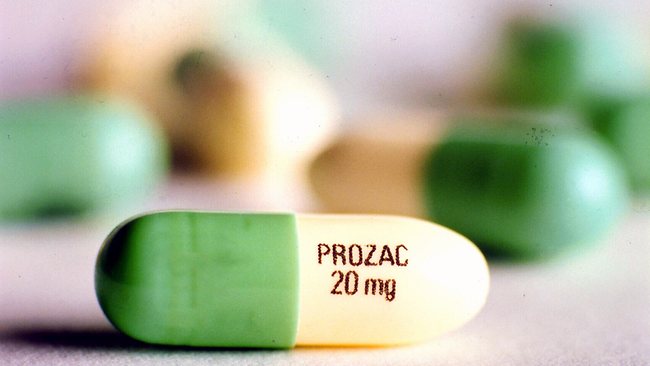
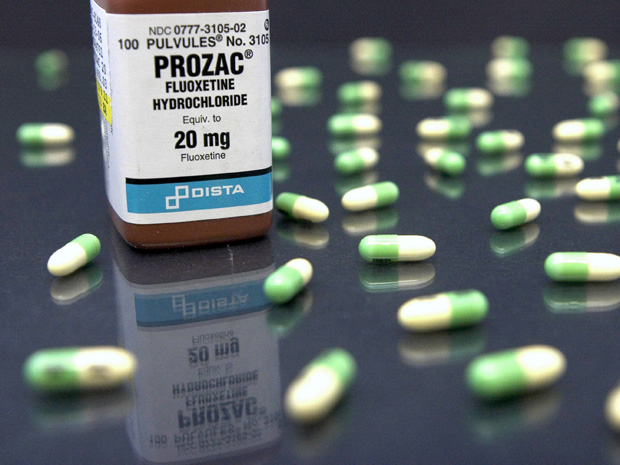
Under a new policy announced on April 5, 2010, pilots diagnosed with depression can seek permission from the Federal Aviation Administration to take one of four SSRIs, including Eli Lilly’s Prozac, Pfizer’s Zoloft, and Forest Laboratories’ Celexa and Lexapro.

“The FAA should reverse its ruling before it’s too late and hundreds of lives are lost when a pilot becomes impulsive, suicidal or violent–or just loses his sharpness–under the influence of antidepressant medication,” said SSRI expert, Dr Peter Breggin, in an April 19, 2010 Huffington Post commentary.

The Citizens Commission on Human Rights is also calling on the FAA to rethink allowing pilots to take SSRI in light of a new report issued last month by the National Transportation Safety Board, on a February 1, 2008 plane crash in North Carolina, by a crazy acting pilot on Zoloft, that killed all six persons on board

The report said the pilot failed to maintain control of the plane during instrument flying conditions and “deliberately descended below the minimum descent altitude.” The plane stalled and crashed while circling after an aborted landing.

“Review of the cockpit voice recorder (CVR) audio revealed that the pilot had displayed some non-professional behavior before initiating the approach,” the NTSB reported.

The CVR recorded the pilot singing: “Save my life I’m going down for the last time,” before beginning a commentary in which he told passengers: “If anybody back there believes in the good Lord, I believe now would be a good time to hit your knees.”

A review of medical records documented that “from December 4, 2006 through December 31, 2007, the pilot had filled 6 prescriptions for 30 tablets of 50 mg sertraline (Zoloft),” the report said.

The records indicated that he had been treated previously with two other antidepressant medications for “anxiety and depression” and a history of “impatience” and “compulsiveness,” the NTSB noted.

An investigation of another plane crash, resulting in two fatalities in Kingsport, Tennessee, in August 2003, found Zoloft in the blood and liver of a private flight instructor, according to an accident report by the NTSB.

In the policy statement published in the Federal Register, the FAA seems to justify the use of these drugs via the fully debunked “chemical imbalance in the brain” theory when writing: “All these medications are SSRIs, antidepressants that help restore the balance of serotonin, a naturally occurring chemical substance found in the brain.”

“Increasingly accepted and prevalently used, these four antidepressants may be used safely in appropriate cases with proper oversight and have fewer side effects than previous generations of antidepressants,” the FAA wrote, with no citation to any scientific paper to back up this assertion.

In fact, the current labels on SSRIs warn that “anxiety, agitation, panic attacks, insomnia, irritability, hostility, aggressiveness, impulsivity, akathisia (psychomotor restlessness), hypomania, and mania, have been reported in adult and pediatric patients treated for major depressive disorder as well as for other indications, both psychiatric and nonpsychiatric.”

“Even when not severe, these reactions impair judgment and increase the likelihood of accidents and violence,” according to Dr Breggin.

CCHR has set up a great website with a one-of-a-kind search engine that allows the public and officials to access the database on side effects reported to the FDA on SSRIs, and every other psychiatric drug. The site also has a search engine to access all the International warnings and studies on psychiatric drugs which have been summarized so they are easy to understand, even to a lay person.

Input Only From the Choir

On April 6, 2010, Bob Fiddaman, author of the long-running popular website and blog, “Seroxat Sufferers,” sent a request to the FAA, under the Freedom of Information Act, seeking information on the change in policy.

In the Federal Register, the FAA claims it came to its decision after “careful consideration.” However, in the 58 pages of documents sent to Fiddaman on June 9, 2010 (and kindly shared with this author), there is no mention of consultations with any of the prominent SSRI experts who may have offered a contrary view. Like Peter Breggin for instance.

The FAA’s response to Fiddaman shows the agency has been discussing the policy change since at least 2008. In response to a request for “minutes of meetings where the change in the policy was on the agenda,” as well as a list of “members present and a declaration of interests of each of the members,” the FAA sent a copy of a July 18, 2008, Memorandum, with a summary from one consultants meeting. Three outside experts attended but there were no declarations of interests, or lack thereof, by anyone at the meeting.

The summary noted that the consultants “unanimously agreed that the concept of allowing certain airmen taking antidepressant medication was reasonable and safe.” But the “unanimous consensus” was that only Prozac and Zoloft “were appropriate medications due to the longevity of their use and overall safety.”

“They also felt that only these two should be considered initially, and no other medications considered at this time,” the summary reported.

In responding to the question of whether the new policy would apply to Air Traffic Controllers, the FAA said the “new policy does not presently apply to Air Traffic Control Specialist (ATCS) because the administrative details of the monitoring and follow-up of these employees are yet to be determined. The plan is that ATCSs will eventually be included in a program of this type.”

In response to a request for any information “given to FAA from outside parties that relate to the FAA’S recent change in policy regarding pilots on antidepressant medication,” the FAA sent copies of documents received from the Aerospace Medical Association, the Airline Pilots Association Aeromedical Office, the International Airline Pilots Association, and the United States Army.

“In developing the new policy, the FAA also utilized a variety of medical research literature available in the public domain,” the response said. “We used internet sites such as, but not limited to: The National Library of Medicine PubMed site and the FDA Medwatch.”

The documents Fiddaman received show consideration of a 2003 study of aviation accidents that found SSRIs in 61 pilot fatalities between 1990-2001, in which the psychological condition and/or the drug use was determined to be the cause, or a factor in 16 of the accidents, or 31%.

However, there was no mention of a later November 2006 study titled, “Pilot Medical History and Medications Found in Post Mortem Specimens for Aviation Accidents,” led by Dennis Canfield, from the FAA’s Civil Aerospace Medical Institute, in the “Aviation, Space, and Environmental Medicine” journal.

For this study, toxicological evaluations were performed on 4,143 pilots involved in fatal aviation accidents during the period between January 1, 1993, through December 31, 2003, to identify all pilots found positive for medications used to treat cardiovascular, psychological, or neurological conditions.

The evaluations found one-hundred dead pilots with SSRIs in their systems including forty with Prozac, twenty-six with Zoloft, twenty-one with Paxil, and thirteen with Celexa.

Less than a month after the new policy was announced, in “Aviation International News,” on May 1, 2010, Matt Thurber reported that in a review of 127 accidents in the NTSB database since 1991, containing the word “antidepressant,” only three were nonfatal.

“In 124 of those accidents, 211 people were killed,” Thurber said. “In accident after accident, antidepressants … were found in the tissues of dead pilots, and the pilots had falsified their medical certificate applications to show that they had never been treated for psychiatric problems.”

Read the rest of this article here:  http://www.scoop.co.nz/stories/HL1007/S00116.htm

Read FOIA documents here: http://fiddaman.blogspot.com/p/faa-respond-to-freedom-of-information.html

« Return to news items


Share

Electroshock Survivor & Human Rights Activist Calls on Amnesty International to Deem Electroshock (ECT) as Torture

Monday, June 14th, 2010

Baby Care
June 14, 2010

Sue Clark-Wittenberg, director of the Wittenberg Center to End Electroshock in Ottawa, Canada is an electroshock survivor who is appealing to Amnesty International to deem electroshock (ECT) as torture. Sue is a torture victim of electroshock.

Dr. Peter R. Breggin, a psychiatrist from NY State wrote an article recently re ECT called “Disturbing News for Patients and Shock Doctors Alike” which proves ECT always causes brain damage 100% of the time. See the article in full at this URL: www.huffingtonpost.com/dr-peter-breggin/

In America, electroshock is not deemed as torture by Amnesty International. ECT is being given more and more especially to women with post partum depression and to women over 60 years of age. Many people all over the world are working to ban electroshock universally. Yearly stats for ECT given:

Ontario, Canada – 14000 ECTs given
USA – 100000 Americans get ECT
UK – 50000 ECT given
Worldwide – 1 to 2 million people get ECT

Read entire article:  http://babies.secretbest.com/19814/electroshock-is-torture/

« Return to news items


Share

An exceptional article from psychiatrist Peter Breggin: Huffington Post – Our Psychiatric Civilization

Tuesday, May 25th, 2010

The Huffington Post
By Dr. Peter Breggin
May 23, 2010

It has been a routine week in my clinical and forensic practice. I evaluated a malpractice case involving a woman on the West Coast whose family doctor from a decade earlier kept prescribing Prozac to her for ten years without ever seeing her again. When she ran into emotional difficulty, she called this doctor who simply raised the dose and added a new drug, still without seeing her for a decade. This woman, a respected professional and parent in her community, then landed in a hospital where her adverse drug reaction was mistaken for a mental illness, more psychiatric drugs were added, and she soon killed herself in a most horrendous fashion.

In this same past week of routine events, one of my own patients came to the office for an emergency session. He had sought my help to come off a cocktail of psychiatric drugs that had been prescribed for him during a personal crisis. We had recently cut back on his tranquilizers and he had become unable to sleep all night. He was feeling anxious and scared. “Am I going crazy, or is it drug withdrawal?” It turned out to be a withdrawal reaction that was easily handled by a slower taper of his medication. A very bright, creative young man, he had a series of traumatic events in his background. He needed counseling and encouragement, not a psychiatric diagnosis and drugs.

Meanwhile, my wife Ginger has been handling the flood of mail we get from our books, websites, and public appearances. People email and call the office identifying themselves as “bipolar” or “clinically depressed.” Or they describe their children in the same terms, as well as “ADHD.” By the time they contact our office, their lives or those of their children have been deeply complicated, compromised and sometimes ruined by psychiatric drugs. They can no longer separate their original emotional problems from their complex array of drug side effects. They devote themselves to adjusting their diagnoses and their drugs instead of addressing their lives. After yet another week like this, Ginger tells me, “You’ve got to write about our Psychiatric Civilization.”

The culture is so imbued with biological psychiatry — which is to say, modern psychiatry — that self-defined patients diagnose themselves, sometimes with the help of a one-minute TV ad. They visit their family doc, give him the diagnosis, “I think I have an anxiety disorder,” and get the appropriate drug. If they arrive a few minutes early, or the doctor is a few minutes late, they’ll get a chance to get educated by a flat screen TV in the waiting room which instructs them about the symptoms of the psychiatric diagnosis de jour as well as its treatment with a propriety drug.

Read entire article:  http://www.huffingtonpost.com/dr-peter-breggin/our-psychiatric-civilizat_b_586498.html

« Return to news items


Share

The Portland Press Herald: Psychiatric Drugging of American Children is Cause for Alarm

Monday, May 3rd, 2010

The use of powerful drugs to treat younger and younger patients has gone far beyond disturbing.

The Portland Press Herald
By Leigh Donaldson
May 3, 2010

The age of children being medicated with prescription psychiatric drugs is getting younger and more widespread every year.

According to a 2010 study of data on more than a million children reported by American Academy of Child and Adolescent Psychiatry’s journal, the use of powerful anti-psychotics with privately insured U.S. children, ages 2 through 5, doubled between 1999 and 2007.

In the 2007 study, the most common diagnoses of anti-psychotic treated children were pervasive developmental disorder or mental retardation (28.2 percent), attention deficit hyperactivity disorder (23.7 percent) and disruptive behavior disorder (12.9 percent).

Fewer than half of drug-treated children received a mental health assessment, a psychotherapy visit, or a visit with a psychiatrist, during the year of anti-psychotic drug use.

“Anti-psychotics, which are being widely and irresponsibly prescribed for American children — mostly as chemical restraints — are shown to be causing irreparable harm.” Vera Hassner Sharav, president of the Alliance for Human Research Protection, warns. She further asserts that long-term use of these drugs can have hazardous effects on cardiovascular and metabolic systems.

Dr. Peter Breggin, founder of the International Center for the Study of Psychiatry and Psychology and author of “Medication Madness,” characterizes anti-depressants, stimulants, mood stabilizers and anti-psychotic substances as bathing the brains of growing children with agents that threaten the normal development of the brain.

Highlighting the controversial nature of medicating American children is the recent death of Rebecca Riley, a 4-year-old Boston girl diagnosed with ADHD and pediatric bipolar disorder at 28 months of age.

According to a medical examiner, she died from the effects of a combination of Clonidine, a blood pressure medication prescribed for ADHD, Depakote, an anti-seizure and a mood stabilizer for her bipolar disorder, as well as a cough suppressant and an antihistamine.

Read entire article:  http://www.pressherald.com/opinion/psychiatric-drugging-of-american-children-is-cause-for-alarm_2010-05-03.html

« Return to news items


Share

Psychiatric Drugging of Infants and Toddlers—The U. S. has become the psychiatric drugging capital of the world

Tuesday, April 20th, 2010

CounterCurrents.org
By Evelyn Pringle
April 19, 2010

The United States has become the psychiatric drugging capital of the world for kids with children being medicated at a younger and younger age. Medicaid records in some states show infants less than a year old on drugs for mental disorders.

The use of powerful antipsychotics with privately insured children, aged 2 through 5 in the US, doubled between 1999 and 2007, according to a study of data on more than one million children with private health insurance in the January, 2010, “Journal of the American Academy of Child & Adolescent Psychiatry.”

The number of children in this age group diagnosed with bipolar disorder also doubled over the last decade, Reuters reported.

Of antipsychotic-treated children in the 2007 study sample, the most common diagnoses were pervasive developmental disorder or mental retardation (28.2%), ADHD (23.7%), and disruptive behavior disorder (12.9%).

The study reported that fewer than half of drug treated children received a mental health assessment (40.8%), a psychotherapy visit (41.4%), or a visit with a psychiatrist (42.6%) during the year of antipsychotic use.

“Antipsychotics, which are being widely and irresponsibly prescribed for American children–mostly as chemical restraints–are shown to be causing irreparable harm,” warned Vera Hassner Sharav, president of the Alliance for Human Research Protection, in a February 26, 2010 InfoMail.

“These drugs have measurable severe hazardous effects on vital biological systems, including: cardiovascular adverse effects that result in shortening lives; metabolic adverse effects that induce diabetes and the metabolic syndrome,” she wrote. “Long-term use of antipsychotics has been shown to result in metabolic syndrome in 40% to 50% of patients.”

The lead researcher on the study above, Columbia University psychiatry professor Mark Olfson, told Reuters that about 1.5% of all privately insured children between the ages of 2 and 5, or one in 70, received some type of psychiatric drug in 2007, be it an antipsychotic, a mood stabilizer, a stimulant or an antidepressant.

Psychiatric drugs bathe the brains of growing children with agents that threaten the normal development of the brain, according to Dr Peter Breggin, founder of the International Center for the Study of Psychiatry and Psychology (ICSPP), and author of about 20 books, including “Medication Madness.”

Read entire article:  http://www.countercurrents.org/pringle190410.htm

« Return to news items


Share

The Huffington Post: “Pilots Taking Antidepressants? The FAA Is Risking Our Lives”

Monday, April 19th, 2010

The Huffington Post
By Peter Breggin
April 19, 2010

A few years ago I was hired by the FAA to defend the agency against a suit brought by a pilot who wanted to fly while taking a prescription antidepressant. I helped the FAA formulate its defense of the agency’s ban on pilots using antidepressants and, as a result, the ban remained in effect. Pilots remained unable to fly while taking antidepressants, including the newer ones such as Prozac, Paxil, Zoloft, Celexa, Lexapro and Effexor.

How times have changed. Ignoring the scientific data on adverse drug effects that the agency and I generated and evaluated for the earlier case, the FAA is lifting its 70-year-old ban on allowing pilots to take antidepressants. Has the science changed–improving the adverse reaction profile of these drugs? To the contrary, since that time my most dire observations have been confirmed in the FDA-approved label for all antidepressants. Now there is not only a Black Box Warning for suicidality in children, youth and young adults, but also a lengthy Warnings section about a variety of extremely dangerous abnormal behavioral reactions in all ages including aggression, hostility, disinhibition, impulsivity and mania. Even when not severe, these reactions impair judgment and increase the likelihood of accidents and violence.

According to the FDA-approved guidelines, prescribers are supposed to give a special Medication Guide to patients and their families that warns about dangerous drug-induced reactions including suicide, violence and a variety of unexpected negative behaviors. Originally intended for children and youth, the Medication Guide is now expanded to cover all age groups, including adults. The Medication Guide for all ages can be found at the conclusion of each FDA-approved label for antidepressant drugs in the 2010 Physicians’ Desk Reference.

Why did the FAA lift the ban on pilots using antidepressants? According to FAA statements to the media, depressed pilots sometimes kept on flying while secretly taking antidepressants. “Our concern is that they haven’t necessarily been candid,” FAA Administrator Randy Babbitt reportedly told the press on a conference call. They were flying below the radar of drug testing, so to speak. The new policy not only allows pilots to use antidepressants, it grants a degree of amnesty to those who have been using them illegally in the past.

The FAA feels it’s safer to allow the use of antidepressants because it will make it easier for pilots to obtain needed treatment for depression. It supposedly will also make it easier to monitor their use of these dangerous drugs. If we accept this argument, why not legalize stimulants such as amphetamine as well? They would help keep the overworked pilots awake. And while the FAA is at it, why not let them use marijuana, since they may be doing it illegally on their own without anyone monitoring them.

Unfortunately, monitoring pilots on antidepressants won’t work nearly as well as might be hoped. Many severe emotional and behavioral reactions occur in the first one to three days of antidepressant dosing, or shortly after dose changes, either up or down–long before the next scheduled appointment. Although close monitoring and informing the family to be on the alert can be helpful, and should be done, it won’t prevent many of the drug reactions that occur abruptly and without warning. In addition, doctors too often fail to warn the patient and the family about the risks. As a medical expert, I’ve learned how cavalier some prescribers are in regard to warning patients about the adverse effects of any psychiatric drugs.

Read entire article:  http://www.huffingtonpost.com/dr-peter-breggin/antidepressants-pilots-ta_b_542240.html

« Return to news items


Share

The Huffington Post: Stopping the Psychiatric Abuse of Children by psychiatrist Peter Breggin

Monday, September 28th, 2009

Millions of our children are being labeled with false and stigmatizing psychiatric diagnoses. Then their brains are being blunted and disabled by psychiatric drugs.

Want to find a way to do something about the plight of our children at the hands of drug companies and misguided mental health professionals? Want to learn more about what our children really need from us?

In less than two weeks, you can attend the annual meeting of the International Center for the Study of Psychiatry and Psychology at the Renaissance Syracuse Hotel. The two-day conference takes place on Friday and Saturday, October 9-10, 2009 in Syracuse, New York. It features international experts on the adverse of effects of psychiatric drugs and better ways of helping children and families.

Read entire article: http://www.huffingtonpost.com/dr-peter-breggin/conference-on-stopping-th_b_301272.html

« Return to news items


Share