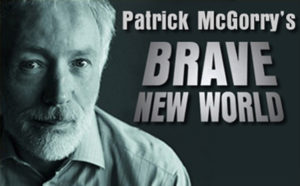
Posts Tagged ‘Patrick McGorry’

Psychiatrist Patrick McGorry Ticked Off CCHR’s Busted Him Over Bogus “Early Intervention” Claims

Thursday, April 21st, 2011

Psychiatrist Patrick McGorry promotes a highly dangerous and outrageous agenda of pre-diagnosing youth as mentally ill "before" they develop it...

Seroxat Sufferers – April 21, 2011

by Bobby Fiddaman

I had to laugh at the article from the Herald written last August.

It would appear that Australian psychiatrist Patrick McGorry [originally an Irish born lad] doesn’t like it when he is brought to task regarding his early intervention claims [He can predict if a child can get a mental disorder in later years you know]

The article,  written by Brigid O’Connell, lays claim that McGorry has become the target by the Church of Scientology after he and other psychiatrists spoke out against them.

I think you will find that it’s the other way around.

The Citizens Commission on Human Rights [CCHR] have, for a long time, been on McGorry’s back. Where McGorry gets confused [bless him] is that CCHR is not the Church of Scientology. Okay, CCHR was founded by the Church [and actually also a psychiatrist Thomas Szasz, who no doubt wouldn't agree with your "early intervention" drugging kids fad either] but they are funded by Tom, Dick and Harry…that is, by anyone concerned enough about human rights.

CCHR have requested documents under the Freedom of Information Act. Documents that may or may not show McGorry’s links to the pharmaceutical industry. We are not talking about a free dinner here, we are talking millions of Aussie dollars.

You see, McGorry has devised a program whereby it could be…um…guessed through early intervention if children would develop a mental disorder in later years. Your modern day DeLorean time machine if you will.

One would imagine that such a test would involve some sort of brain scanning machine or maybe a series of blood tests. Nope… just form filling or rather box-ticking. That’s all the info the early intervention program needs to diagnose [stigmatise] a child…or rather “predict” if a child will fall foul to a mental disorder. Hey, and McGorry and friends know exactly how to treat this invisible futuristic illness too.

I find it odd that McGorry would cry victim, even more so that he would claim to be the target of “harassment.” Would he do the same if Joe Bloggs requested information under the Freedom of Information Act or is he just pissed at CCHR? If the Catholic Church were to request such documents would McGorry & Co scream that they were being victimised?

For the record Paddy [McGorry], I’m not a great fan of yours either. I’d also like to see if you are funded by the industry and would ideally love to take a ride in your Delorean to predict now if I will get an ingrowing toenail when I’m 55. “Please Massa, show me the boxes to tick. I promise to be a gooooood patient”

Oh, I’m not a Scientologist either but have won two human rights awards from CCHR. Geez, they must have “brainwashed” me [which, by the way Paddy, only your drugs can do]…can your early intervention program undo what they have done to my brain? Can you give me some drugs please Paddy?

Come on Paddy, be a good little psychiatrist and show the world that you have nothing to hide…unless of course you have something to hide? Show the Aussie government the $3.5 billion “investment” plan for its kids you want to rip off the taxpayers isn’t gonna be used to put them on antipsychotics that those drug companies which probably fund you are going to benefit from. Is this really why you feel harassed – you may not get your booty?

The only way people can seek the truth is by going through proper channels, namely by using the Freedom of Information Act. That’s their given right, Paddy! Everyone has a right to use this tool be they Scientologists, a human rights movement, someone who claims to be from the planet Zog or someone who has delusions that Shania Twain will one day mattress dance with them.

Oh by the way, I walk under ladders as I’m not very superstitious – if I were to avoid walking under ladders I’m sure your profession would label me with some disorder, have me drugged to the eyeballs, restrained and injected with experimental drugs. Maybe you can tell me if I will walk under ladders in future years?

Face it, your crystal ball is no more effective than a fortune teller at the end of a seaside pier. At least she has the signs outside telling customers that she is paid for her crystal ball gazing.

It never ceases to amaze me that when psychiatrists are backed into a corner they scream victim. When their patients are backed into a corner, restrained, injected and/or force-fed psychiatric drugs they have no choice but to take it on the chin.

Your Delorean needs a new flux capacitator Paddy. CCHR are coming to getcha…and there are many who support their work.

Bob Fiddaman
Shania Twain fan.

http://fiddaman.blogspot.com/2011/04/psychiatrist-patrick-mcgorry-slams-his.html

Read more about Patrick McGorry here: Prison Planet -Pharma Backed Australian of the Year Psychiatrist Wants Millions in Government Funding for Brave New World of Pre-Drugging Kids

http://www.prisonplanet.com/pharma-backed-australian-of-the-year-psychiatrist-wants-millions-in-government-funding-for-brave-new-world-of-%E2%80%9Cpre-drugging%E2%80%9D-kids.html

« Return to news items


Share

Australian of the Year Psychiatrist Patrick McGorry. a.k.a. The Spin Doctor

Monday, August 9th, 2010

Note:  Should there be any doubt of how highly controversial and dangerous Patrick McGorry’s pre-diagnosing, pre-drugging agenda actually is,  consider that even the former task force chairman of the American Psychiatric Association’s  Diagnostic and Statistical Manual of Mental disorders (DSM),  has had articles featured in Psychology Today calling “Psychosis Risk” syndrome “dangerous and stigmatizing” and that it will inevitably lead to children being needlessly drugged with psychiatry’s  most powerful psychotropics, antipsychotic drugs.  When even fellow psychiatrists start slamming proposed “mental disorders” at this level,  it is evident that McGorry’s agenda is far more dangerous than anything previously witnessed. http://www.cchrint.org/2010/07/30/austrailan-psychiatrist-patrick-mcgorrys-global-agenda-takes-a-hit-from-former-dsm-task-force-member-psychiatrist-allen-frances/

OnlineOpinion.com

By Melissa Raven and Jon Jureidini
August 9, 2010

Since Professor Patrick McGorry was appointed 2010 Australian of the Year, mental health has had a remarkably prominent public profile.

GetUp has played a major role, with a campaign promoting McGorry’s call for radical reform, particularly in relation to youth mental health, arguing that early intervention should be the norm. Many Australians have enthusiastically responded, donating money, signing a petition, and sending faxes to politicians.

A further impetus came when Adjunct Professor John Mendoza dramatically resigned as Chair of the National Advisory Council on Mental Health (or, as he terms it, “head advisor to the Rudd Government on mental health”) and joined the GetUp campaign. Mendoza endorses many of McGorry’s demands, including a national rollout of headspace youth mental health centres and the Early Psychosis Prevention and Intervention Centre (EPPIC).

McGorry and Mendoza are adept at capturing media attention, using emotive statistics and feel-good messages as powerful soundbites. However, few people seem to have critically examined their claims, which have been widely accepted at face value.

We have examined several claims, and found them seriously problematic. Not only is there a high degree of spin in the rhetoric but also there is misrepresentation of evidence.

Two claims are analysed here. In each case the evidence cited to justify the claim, although relevant, does not support it, and other evidence challenges the validity of the claim.

Claim: One third of Australian suicide cases had been discharged inappropriately

According to Mendoza, more than a third of Australians who kill themselves had been discharged too early or without care from hospitals. This claim has been publicised by GetUp on its website and in emails from Mendoza about his resignation distributed to GetUp members.

Mendoza has confirmed to one of us (JJ) that the basis is the 2007 New South Wales Tracking Tragedy report. The introduction of that report does refer to “a third of suicides”:

Other systematic reviews of suicide and previous work of this Committee suggest that around a third of suicides may realistically have been preventible [sic] with more optimal care.

However, the report does not support Mendoza’s claim, because it focuses specifically on 113 cases of suicide by people receiving treatment for depression in community mental health settings, not on suicides in the general population. It is tragic that approximately 38 suicides might have been prevented, but this number is hundreds less than one-third of the 1,776 suicides in the NSW population in that period (2003-2005 inclusive). Furthermore, only 14 (12 per cent) of the 113 people had been discharged (figure 1, p34), appropriately or otherwise.

An earlier Tracking Tragedy report revealed there were about 20 suicides annually in NSW within 28 days of discharge. It concluded that “Suicide death on discharge from hospital is a rare event”.

In the period covered in that report (1999-2003), there were approximately 750 suicides annually in NSW. The 20-odd people discharged within 28 days prior to suicide annually constituted only 2.7 per cent of them. Even if all those discharges were inappropriate, Mendoza’s claim would be wrong by a factor of more than ten. However, the report concluded that only “Between one-quarter and one-third of suicide deaths following discharge from hospital could reasonably be prevented”. Taking the higher of those estimates gives approximately 7 out of 750 (less than 1 per cent), making Mendoza’s claim more than 30-fold wrong.

The “other systematic review” cited in the 2007 Tracking Tragedy report is the 2006 report of the National Confidential Inquiry into Suicide and Homicide by People with Mental Illness (in England and Wales). This does not support Mendoza’s claim. Only 27 per cent of suicides had followed any current or recent contact with the mental health system. Twenty per cent of suicides among these patients occurred within three months of discharge (5.4 per cent of total suicides), but only 18-22 per cent of these were judged preventable, representing only about 1 per cent of all suicides in England and Wales.

Unquestionably there is a need to improve discharge planning and follow-up – for many reasons, not just because of the risk of suicide. However, this is not relevant to the majority of suicide cases.

Mendoza has had the unwitting assistance of GetUp in misleading the Australian public. However, when one of us (JJ) explained why Mendoza’s claim is incorrect, GetUp’s response was “we’ll adjust our future communications accordingly”, but inexplicably it “won’t however be removing anything from the website or issuing any correction statements”. GetUp focuses on “giving everyday Australians opportunities to get involved and hold politicians accountable, on important issues”, yet it is unwilling to be held accountable for misleading everyday Australians about mental health, and its website carries information it knows to be incorrect.

Claim: 750,000 young Australians are denied desperately needed mental health services

McGorry has repeatedly claimed there is a hidden waiting-list of 750,000 young Australians who are denied access to much-needed mental health services. His website refers to “the waiting list of 750,000 young Australians currently locked out of the mental health care they and their families desperately need”.

In his submission to the Senate inquiry into COAG health reforms, McGorry explicitly linked the unmet need to insufficient funding for headspace and EPPIC. He made similar claims at a hearing (PDF 442KB). The Senate report (PDF 1.32MB) quoted his testimony uncritically. Others have also echoed his claim uncritically, including Lesley Russell (PDF 93KB) from the Menzies Centre for Health Policy. Furthermore, McGorry’s claim has been implicitly endorsed by the Coalition’s Real Action Plan for Better Mental Health.

McGorry’s 750,000 claim is based on the 2007 National Survey of Mental Health and Wellbeing (NSMHW), which found that 671,000 (26 per cent) 16-24-year-olds experienced a mental disorder in the previous year, and only 23 per cent of them accessed treatment. McGorry’s 750,000 figure, encompassing 12-25-year-olds, the focus of headspace, seems a reasonable estimate of people in that age range with untreated disorders.

However, diagnosis, particularly in surveys, is not the same as treatment need, contrary to the usual interpretation. According to Scott Henderson (an architect of the original NSMHW) and colleagues:

having symptoms, even at case level, is necessary but not sufficient to justify treatment … it is irrational to suggest that one in five adults need treatment for a case-level mental disorder. (p204)

Leading US psychiatric epidemiologists have similarly argued that prevalence rates in surveys do not represent treatment need. Robert Spitzer, a key player in the development of the DSM (Diagnostic and Statistical Manual of Mental Disorder), published a paper with the title: “Diagnosis and need for treatment are not the same”. The main reason is that many cases are not particularly serious. According to Darrel Regier (Vice-Chair of the DSM-V Task Force) and colleagues: “most episodes of mental illness are neither severe nor long-lasting”.

There is a strong bias towards treatment of people who most need it. In the NSMHW, only 17 per cent of young people with disorders (PDF 308KB) had severe disorders, 35 per cent moderate, and 48 per cent mild. Furthermore, 51 per cent of young people with severe disorders accessed treatment. And according to Gavin Andrews (another key player in the NSMHW), many cases of mental disorders are transient but the extent of remission is usually underestimated.

The gap between prevalence and help-seeking in young people is largely due to high rates of substance use disorders (particularly mild cases of harmful alcohol use) with low rates of help-seeking (particularly by young men). The relatively low threshold for diagnosis of harmful alcohol use – which has a high rate of spontaneous remission – inflates the prevalence of mental disorders. This was recently discussed in some detail by one of us (MR).

Undoubtedly some untreated young people would benefit from treatment. However, for many of them, GP services would be more appropriate than specialist services like headspace or EPPIC. Indeed, according to Andrews and colleagues, “in Australia as elsewhere, the GP is the key to treatment for most people with mental disorders”.

So most of the 750,000 are not locked out of treatment, and most do not desperately need it. Most choose not to access treatment, and often that choice is appropriate, because the disorders are mild and transient. 750,000 is a gross over-estimate of treatment need, particularly need for specialist services like headspace and EPPIC.

Conclusion

These are only two of a number of inaccurate claims made by McGorry and Mendoza that inflate the scale of problems in the mental health system and exaggerate the benefits of their brand of solution – central to which is massively increased funding for headspace and EPPIC – which they imply is the only alternative to the status quo.

But does it really matter if some of the claims made by high-profile mental health advocates are inaccurate? The system is in crisis, and radical change is needed. McGorry’s plan, resoundingly seconded by Mendoza and many mental health community groups, has the support of the public and politicians, so shouldn’t we capitalise on the momentum?

That is how many people will respond to our critical analysis of these claims. It is essentially how GetUp has responded.

However, we believe it does matter that people have been misled to believe that more than a third of people who kill themselves have been inappropriately discharged from hospital, because this implies that massive resources should be directed towards psychiatric inpatients, who constitute only a small proportion of people at risk of suicide, and it deflects attention from other at-risk groups such as unemployed and elderly men. Such resourcing would have inevitable opportunity costs in terms of funding of other services.

We believe it does matter that people have been misled to believe there is a huge hidden waiting-list of young Australians desperately in need of mental health treatment, because this implies that even more resources should be directed towards a relatively narrow age-band. It matters even more that it is claimed that the treatment required is headspace/EPPIC treatment, and the claim is used to justify demands for greatly increased funding for those services, which would increase the opportunity costs.

We also believe it matters that the important role of GPs in mental health treatment is being ignored and implicitly denigrated. This is likely to lead to further deskilling and under-resourcing of GPs, reducing their capacity to intervene effectively with young people, many of whom have mild and relatively short-term mental health problems.

We are not entirely alone in criticising McGorry’s campaign for mental health reform centred on specialist early intervention in youth mental health. The Royal Australian and New Zealand College of Psychiatrists’ submission (PDF 157KB) to the National Health and Hospitals Reform Commission expressed concern about “investment in age specific community based services that have neither identified transition points nor evidence to support that age specific services provide better outcomes” and cautioned that “there are no simple solutions to reforming the mental health sector”. However, this seems to have been ignored by the NHHRC: its report (which will profoundly influence Australian health policy for decades) endorsed McGorry’s demand for a national rollout of EPPIC and favourably mentioned headspace.

On a different level, we also believe it matters that high-profile mental health advocates are able to mislead by proclaiming authoritative-sounding statistics that almost no one bothers to check, and that misleading claims are incorporated into health policy. This uncritical acceptance is an impediment to evidence-based policy. Worse, when the inaccuracies of claims are pointed out, there is often reluctance to acknowledge the misinformation and attempt to rectify it, as is the case with GetUp.

Read the rest of this article here:  http://www.onlineopinion.com.au/view.asp?article=10793&page=0

« Return to news items


Share

Australian of the Year Psychiatrist Patrick McGorry accused of misleading public to secure his pre-drugging kids agenda

Monday, August 9th, 2010

For more information about Patrick McGorry’s global agenda, click here: http://www.cchrint.org/2010/06/16/australian-psychiatrist-patrick-mcgorry-wants-his-pre-drugging-agenda-to-go-global/

The Sydney Morning Herald
By Julia Medew
August 9, 2010

LEADING mental health reform figures, including Australian of the Year Patrick McGorry, are misleading the public with dodgy statistics that suit their causes, a prominent psychiatrist says.

Adelaide University Associate Professor Jon Jureidini claimed yesterday that Professor McGorry and National Advisory Council on Mental Health former chairman John Mendoza had exaggerated or misrepresented mental healthcare statistics during the reform debate.

But Professor McGorry and associate professor Mendoza have denied misleading anyone.

Associate Professor Jureidini said Professor McGorry – a world-renowned psychiatrist whose youth-targeted services recently won bipartisan support – had falsely claimed that 750,000 young Australians were ”locked out” of care they ”desperately” needed.

”He’s taken the biggest possible figure you can come up with for people who might have any level of distress or unhappiness, which of course needs to be taken seriously and responded to, but he’s assuming they all require … a mental health intervention,” said Associate Professor Jureidini, who specialises in child psychiatry.

”It’s the way politicians operate. You look at figures and put a spin on it that suits your point of view. I don’t think that has a place in scientific conversations about the need for health interventions.”

Associate Professor Jureidini said although surveys showed about 750,000 young people experienced an untreated mental disorder at some stage every year, many would have mild and transient disorders that did not need treatment.

He also accused Associate Professor Mendoza of incorrectly asserting that more than a third of suicides in Australia involved people inappropriately discharged from hospitals.

He said a more accurate figure was about 1 per cent.

”Nobody would argue with people bringing forward data to support their arguments, but it needs to be done responsibly and accurately, not in a way that exaggerates it,” he said.

Read entire article here:  http://www.smh.com.au/national/mcgorry-misleading-the-public-20100808-11qes.html

« Return to news items


Share

New Dawn Magazine—The Brave New World of Pre-Drugging Kids:Patrick McGorry & Psychosis Risk Syndrome by Jan Eastgate

Thursday, July 8th, 2010

New Dawn
By Jan Eastgate
July 8, 2010

Imagine being a parent taking your 10-year-old daughter to the doctor where she gasps for air and suddenly dies in your arms. You are informed afterwards that a toxic dose of prescribed medication caused her death.

Imagine leaving your house to have lunch with friends, while your husband and 11-year-old daughter are happily cuddled together watching your daughter’s favourite TV show Animal Planet. You return home hours later, walk upstairs to her bedroom and find her hanging from the valence of her bed.

Imagine your teenage son is prescribed a medicine because a teacher said he needs it to curb his disruptive behaviour. Months later he is diagnosed with severe diabetes – a known but covered up side effect by the makers of the medicine. He dies shortly afterwards from complications.

These are not isolated incidents. They are representative of those thousands of children and adolescents who died while taking prescribed psychotropic (mind-altering) drugs in the United States. In the above cases, the drugs were prescribed to treat anxiety experienced while sitting for exams or for so-called “Attention Deficit Hyperactivity Disorder” (ADHD), the symptoms of which include fidgeting, losing your pencils, not sitting still, running about or excessively climbing, and butting into other’s conversations.

Australian Child Deaths

An estimated 1,900 Australians under the age of 19 have died while on antidepressants and antipsychotics. More than 30,700 under 18-year-olds were prescribed antidepressants in 2007-2008, including 550 aged 5 and under. Side effects include hallucinations, hostility, psychosis and suicide.

During the same period, more than 9,300 children under 18 – some as young as one – were prescribed antipsychotics, costing the government $3.4 million. Of the 477 deaths reported to the Australian Therapeutic Goods Administration (TGA) linked to antipsychotics, 15 were for ages 0 to 19, including intrauterine deaths. Experts estimate only 1 percent of Adverse Drug Reactions (ADRs) are reported to the TGA, so deaths could be as high as 1,500.

Common side effects of antipsychotics include excessive weight gain, life-threatening diabetes, and an irreversible neurological effect called Tardive Dyskinesia that manifests in uncontrollable twitching of the muscles and extremities and tongue movements. Another adverse effect, Neuroleptic malignant syndrome (NMS) can cause sudden death.1 Statistics the Citizens Commission on Human Rights obtained from the TGA in 2009 revealed 14 incidents of 10 to 19 year olds experiencing NMS were reported to it.

The psychiatric drug abuse of young Australians prompted one Western Australian MP recently to call for a national inquiry into the use of psychotropic drugs in children. To date, the federal government has yet to act.

Instead, it has potentially exacerbated the situation, handing over more than one hundred million taxpayer dollars to Patrick McGorry, Professor of Youth Mental Health at the University of Melbourne, Executive Director of ORYGEN Research Centre, and founder of the youth mental health centre chain, headspace.

Read entire article: http://www.newdawnmagazine.com/articles/the-brave-new-world-of-pre-drugging-kids-patrick-mcgorry-psychosis-risk-syndrome

« Return to news items


Share

INFOWARS.COM — Madhouse Medical Tyranny: When Health Becomes Sickness

Friday, July 2nd, 2010

INFOWARS.COM
By John Galt
July 2, 2010

Dictatorships know that the battle for complete control is ultimately won or lost in the minds of the target population.  As the oppression advances, it tends to move from propaganda mind control to the direct intervention into the mind via pharmaceuticals.  We are now seeing the overt global coordination of the psychiatry profession to convince every resident of planet Earth that all clear thinking, healthy living, and wholesome innocence is some kind of disorder that needs to be corrected (suppressed) with drugs to render zombie-like those whose instincts afford them the ability of discernment.

We have seen this before — the role of the medical establishment in dictatorships such as Nazi Germany is well documented. It is the pre-Endgame, if you will, before the final culling takes place.  The proof that we are being led by a medical tyranny to soften us up for population reduction is of course not something to make light of.  However, it is absurd, because it is a manufactured attempt to re-define the natural human condition.  So, let us get up to speed on our mental disorders as a gallows humor descends.

Independent Thinking

This disorder is naturally a wide-ranging one, as each unique human being tends to have opinions.  Some of the more deviant forms of individuality are questioning authority and anxious distress, which includes symptoms like the “fear that something awful may happen.”  Like the fear that individuality will be declared a mental disorder by a scientific dictatorship?

Emotions

The natural highs and lows that come with being a sentient human being experiencing the joys and sorrows of life apparently need to be eradicated.  Happiness tests should be given to children to be sure that they feel elated at all times, and perfectly at peace with their indoctrination. If not, be sure to take your happy pills each day.

Healthy Eating

Concern for your own well-being is apparently in direct opposition to the goals of those who wish to keep the population fat, dumb, and toxic.  Mike Adams gives a run-down on the latest crazy thinking associated with eating broccoli, taking vitamins and minerals, drinking purified water, and avoiding known toxins.

Pregnancy

The act of experiencing the emotions of childbirth is definitely something that needs strong legislation.  Instead of thinking about creating life, and the family bonding process, it is much healthier instead to focus on the increasing numbers of disorders surrounding the most natural of processes and how the medical establishment can keep mothers worried sick about their babies.

And Now: BEING BORN

The Psychiatric Dictatorship has begun in earnest to target infants as mental patients.  The amniotic world and the newly born are now under surveillance by agents of the medical elite such as John H. Gilmore, Director of the UNC Schizophrenia Research, for signs of schizophrenia.  Unfortunately, Gilmore is not an isolated mad scientist; this is a global initiative.  The Citizens Commission on Human Rights International recently covered the story of “Australian of the Year,” Patrick McGorry, who would like Australia to lead the world in treating mental illness.  Consulting fees and research grants are raining down on pre-detection initiatives from all of the major pharmaceutical peddlers.

Read entire article:  http://www.infowars.com/madhouse-medical-tyranny-when-health-becomes-sickness/

« Return to news items


Share

Pre-Crime? Try Pre-Diagnose and Pre-Drug: Psychiatrists target infants as mental patients

Tuesday, June 29th, 2010

By CCHR International
June 23, 2010

A new study, published in the American Journal of Psychiatry and headed by psychiatrist John H. Gilmore, professor of psychiatry and Director of the UNC Schizophrenia Research, claims to be able to detect “brain abnormalities associated with schizophrenia risk”  in infants just a few weeks old.   We would like to point out the obvious flaw in this bogus study; there is no medical/scientific test in existence that schizophrenia is a physical disease or  brain abnormality to start with.  There is not one chemical imbalance test, X-ray, MRI or any other test for schizophrenia, not one.   So with no evidence of medical abnormality to start with, the “associated with schizophrenia risk” amounts to what George Orwell called Doublespeak (language that deliberately disguises, distorts, misleads)—it means nothing.

For decades, psychiatrists and Pharma have spouted lines to the press and public amounting to, “researchers now believe” they have medical evidence of schizophrenia as a physical/biological abnormality, or “new evidence suggests” evidence of schizophrenia as a real disease.   But despite millions of dollars in research funds and countless tales of “belief” —no evidence to support the theory.  One of the most common tricks employed by the Psycho/Pharmaceutical industry to mislead the public, legislators and the press, is to take X-rays or brain images of people who have been long-term users of antipsychotic drugs (known to cause brain atrophy/shrinkage) and then claim people with schizophrenia have smaller brains.   They’ve spouted similar studies on kids with ADHD having smaller brains, but the bottom line to that study was that the kids with smaller brains, were…smaller kids. These are just a few of the many PR spins employed by Psycho/Pharma to try and maintain the “belief” in psychiatry, in their credibility as a science.   As evidenced by the recent statement of psychiatrist Allen Frances, former DSM- IV Task Force Chairman, this belief is falling apart even within their own ranks, “There are no objective tests in psychiatry-no X-ray, laboratory, or exam finding that says definitively that someone does or does not have a mental disorder.” —Allen Frances (And Frances isn’t the only psychiatrist exposing the fraud of the biological brain disease model; click here for more.)

The logical question the press should be asking is what are the American Journal of Psychiatry and “the Director of UNC Schizophrenic Research” really after?  What is their goal?

As we have exposed in the article “Australian Psychiatrist Patrick McGorry Wants His Pre-Drugging Agenda to Go Global” there is a concerted push being headed by Australian psychiatrist Patrick McGorry and other pharmaceutically funded psychiatrists for the global implementation of a new mental health paradigm; preventative mental health, i.e., pre-diagnosing (diagnosing children before they develop a “mental disorder”) and pre-drugging children ( before they show “signs” of the mental disorder).   There is an obvious push for the same pre-diagnosing and pre-drugging agenda with this latest study, which claims ”major cases of schizophrenia are usually not diagnosed until a person begins witnessing its related symptoms like delusions and hallucinations as a teenager or adult . However, by that time, the disease [notice the term disease despite no medical evidence of disease] crosses the stage of preliminary treatment and is difficult to treat.”   In other words, if we wait to administer drugs to them it may be too late.  That along with Gilmore’s statement,  “It allows us to start thinking about how we can identify kids at risk for schizophrenia very early and whether there are things that we can do very early on to lessen the risk.” This is the pre-diagnosing, pre-drugging agenda being pushed and the new “preventative” model of mental health that is more akin to a Brave New World than anything previously witnessed.  And this latest “study” tells us infants are also on the agenda.

And finally,  to psychiatrist and lead study author John H. Gilmore, we think you should take a lesson from the former National Institute of Mental Health (NIMH) Chief of the Center for Studies in Schizophrenia, the late Loren R. Mosher, M.D. who stated in his letter of resignation to the American Psychiatric Association, “The fact that there is no evidence confirming the brain disease attribution is, at this point, irrelevant.  What we are dealing with here is fashion, politics and money. This level of intellectual/scientific dishonesty is just too egregious for me to continue to support my membership…After nearly three decades as a member it is with a mixture of pleasure and disappointment that I submit this letter of resignation from the American Psychiatric Association. The major reason for this is my belief I am actually resigning from the American Psychopharmacological Association.  Luckily, the organization’s true identify requires no change in the acronym…”

To read more from Loren Mosher, including his two-year outcome study treating patients diagnosed “schizophrenic” without the use of drugs, his vehement stance against the biological psychiatric model of “disease” and more,  click here.

To read the latest bogus psychiatric study, click here.

RETURN TO BLOGS PAGE


Share

Pre-Crime? Try Pre-Diagnose and Pre-Drug: Psychiatrists target infants as mental patients

Wednesday, June 23rd, 2010

By CCHR International
June 23, 2010

A new study, published in the American Journal of Psychiatry and headed by psychiatrist John H. Gilmore, professor of psychiatry and Director of the UNC Schizophrenia Research, claims to be able to detect “brain abnormalities associated with schizophrenia risk”  in infants just a few weeks old.   We would like to point out the obvious flaw in this bogus study; there is no medical/scientific test in existence that schizophrenia is a physical disease or  brain abnormality to start with.  There is not one chemical imbalance test, X-ray, MRI or any other test for schizophrenia, not one.   So with no evidence of medical abnormality to start with, the “associated with schizophrenia risk” amounts to what George Orwell called Doublespeak (language that deliberately disguises, distorts, misleads)—it means nothing.

For decades, psychiatrists and Pharma have spouted lines to the press and public amounting to, “researchers now believe” they have medical evidence of schizophrenia as a physical/biological abnormality, or “new evidence suggests” evidence of schizophrenia as a real disease.   But despite millions of dollars in research funds and countless tales of “belief” —no evidence to support the theory.  One of the most common tricks employed by the Psycho/Pharmaceutical industry to mislead the public, legislators and the press, is to take X-rays or brain images of people who have been long-term users of antipsychotic drugs (known to cause brain atrophy/shrinkage) and then claim people with schizophrenia have smaller brains.   They’ve spouted similar studies on kids with ADHD having smaller brains, but the bottom line to that study was that the kids with smaller brains, were…smaller kids. These are just a few of the many PR spins employed by Psycho/Pharma to try and maintain the “belief” in psychiatry, in their credibility as a science.   As evidenced by the recent statement of psychiatrist Allen Frances, former DSM- IV Task Force Chairman, this belief is falling apart even within their own ranks, “There are no objective tests in psychiatry-no X-ray, laboratory, or exam finding that says definitively that someone does or does not have a mental disorder.” —Allen Frances (And Frances isn’t the only psychiatrist exposing the fraud of the biological brain disease model; click here for more.)

The logical question the press should be asking is what are the American Journal of Psychiatry and “the Director of UNC Schizophrenic Research” really after?  What is their goal?

As we have exposed in the article “Australian Psychiatrist Patrick McGorry Wants His Pre-Drugging Agenda to Go Global” there is a concerted push being headed by Australian psychiatrist Patrick McGorry and other pharmaceutically funded psychiatrists for the global implementation of a new mental health paradigm; preventative mental health, i.e., pre-diagnosing (diagnosing children before they develop a “mental disorder”) and pre-drugging children ( before they show “signs” of the mental disorder).   There is an obvious push for the same pre-diagnosing and pre-drugging agenda with this latest study, which claims ”major cases of schizophrenia are usually not diagnosed until a person begins witnessing its related symptoms like delusions and hallucinations as a teenager or adult . However, by that time, the disease [notice the term disease despite no medical evidence of disease] crosses the stage of preliminary treatment and is difficult to treat.”   In other words, if we wait to administer drugs to them it may be too late.  That along with Gilmore’s statement,  “It allows us to start thinking about how we can identify kids at risk for schizophrenia very early and whether there are things that we can do very early on to lessen the risk.” This is the pre-diagnosing, pre-drugging agenda being pushed and the new “preventative” model of mental health that is more akin to a Brave New World than anything previously witnessed.  And this latest “study” tells us infants are also on the agenda.

And finally,  to psychiatrist and lead study author John H. Gilmore, we think you should take a lesson from the former National Institute of Mental Health (NIMH) Chief of the Center for Studies in Schizophrenia, the late Loren R. Mosher, M.D. who stated in his letter of resignation to the American Psychiatric Association, “The fact that there is no evidence confirming the brain disease attribution is, at this point, irrelevant.  What we are dealing with here is fashion, politics and money. This level of intellectual/scientific dishonesty is just too egregious for me to continue to support my membership…After nearly three decades as a member it is with a mixture of pleasure and disappointment that I submit this letter of resignation from the American Psychiatric Association. The major reason for this is my belief I am actually resigning from the American Psychopharmacological Association.  Luckily, the organization’s true identify requires no change in the acronym…”

To read more from Loren Mosher, including his two-year outcome study treating patients diagnosed “schizophrenic” without the use of drugs, his vehement stance against the biological psychiatric model of “disease” and more,  click here.

To read the latest bogus psychiatric study, click here.

« Return to news items


Share

Australian Psychiatrist Patrick McGorry Wants His Pre-Drugging Agenda to Go Global

Wednesday, June 16th, 2010


“Australia is a place that can actually change the world in mental health, provided we get the right government support to do so.” — Patrick McGorry

By CCHR International
June 16, 2010

A Public Service Announcement on Australian TV features Australian of the Year, psychiatrist  Patrick McGorry,  claiming that nearly half the population will experience mental ill-health during their lifetime. Considering that after World War II, psychiatrists claimed that one in 20 people had a mental disorder, and now it’s every second one of us, that’s a damning 1000 percent failure rate for psychiatrists in reducing “mental illness.” Let’s get real; the reason psychiatrists claim more people are mentally ill is because they can keep  inventing new ways to label them mentally ill—but the press and governments are  starting to catch on, evidenced by all the controversy surrounding psychiatry’s upcoming edition of their Diagnostic and Statistical Manual of Mental Disorders (DSM)—better known as psychiatry’s billing bible. Yet of all the proposed “mental disorders” ranging from overeating to kids throwing tantrums, no proposed model of mental disorder is more  insidious and dangerous than that of Patrick McGorry, who promotes diagnosing people before they develop a so-called mental disorder—drugging them before they become “mentally ill.” Yet the Australian government has bought into it hook, line and sinker—despite the fact McGorry’s plan is so outrageous, even his peers, such as psychiatrist Allen Frances, former Chair of the DSM task force, have called it ”the most ill-conceived and potentially harmful.”

Make no mistake, the pre-drugging agenda is Patrick McGorry’s baby—his dream for a new paradigm in mental health, one that has the power to diagnose and drug people before they become mentally ill—welcome to the Brave New World of Patrick McGorry. And he isn’t stopping with Australia; his plan is to go global. As he recently stated, “Australia is a place that can actually change the world in mental health, provided we get the right government support to do so.”[1]

The fact that McGorry’s agenda is so controversial—it even has other psychiatrists protesting it—has not deterred the Australian government from funding this “ill-conceived” plan. A recent letter to Citizens Commission on Human Rights states, “The Australian Government is providing $25.5 million over four years from 2010-2011 to expand Early Psychosis Prevention and Intervention Centre (EPPIC) model,” developed by McGorry who founded EPPIC and the Orygen Youth Health in Victoria, Australia.

The Australian Government has already been criticized for massive expenditure on psychotropic drugs increasing more than 660 percent during the last decade—with a whopping 3,100 percent increase on antipsychotic drugs (with at least 15 Australian deaths in the under 19 year olds as a tragic consequence of this).  This can only get worse when under McGorry’s plan, with an enormous client base that can be prescribed drugs despite the fact they are not yet  “mentally ill.” It’s called prodrome (prodromos meaning the forerunner of an event)—referring to “a period of prepsychotic disturbance” that may or may not develop into psychosis or “schizophrenia”[2]—in other words, the crystal ball theory.

Australia Meets the US in Pre-Drug Scam

McGorry’s plan for Australia to “lead the change” in world mental health is happening—to the detriment of those who may be forced to undergo drug treatment based on a psychiatrist’s hunch that they might, one day, become ill. In the U.S., on May 13, 2009, the Department of Health and Human Services convened a Technical Expert Panel (TEP) discussed “emerging evidence around psychopharmacological interventions for first episode schizophrenia” citing the research efforts of McGorry and others.[3]

The push for pre-diagnosing and pre-drugging has even those within the psychiatric profession calling foul; Dr. Richard Warner, professor of psychiatry at the University of Colorado, counters the idea that science drives McGorry’s pre-disorder assessment, stating, “Given the expected number of false positives, the potential for harm is significant.”[4]

However, as Anthony Pelosi, honorary professor, Department of Psychiatry, Hairmyres Hospital, wrote in a counter to McGorry in the British Medical Journal last year, “this has not stopped their skillful lobbying of politicians, journalists, patients, and carers with upbeat messages about the prevention.”

“Skillful lobbying” is right.

In 2006 McGorry and other researchers, including psychiatrist Michael Berk, Karen Hallam, Craig McNeil, Linda Kaler and psychologist Melissa Hasty reported in the Medical Journal of Australia, “Evidence increasingly indicates that earlier identification may allow for appropriate pharmacological and psychosocial treatments….”[5]

Could they have a Pharma incentive behind this agenda? Berk is financially linked to AstraZeneca, Bristol-Myers Squibb, Eli Lilly, GlaxoSmithKline, Janssen-Cilag, Lundbeck, Organon, Novartis, Mayne Pharma, Servier, Sanofi-Synthelabo, Solvay, and Wyeth and Pfizer.[6] Hallam disclosed received speaker fees from Janssen-Cilag; McNeil received consultancy fees, speaker fees and travel assistance from Eli Lilly, Janssen-Cilag and Sanofi-Aventis; and Hasty and Linda received financial assistance to attend conferences from or Janssen-Cilag, maker of the antipsychotic Risperdal (resperidone).[7]

McGorry has received grant support from Eli Lilly, Janssen-Cilag, Bristol Myers Squibb, Astra-Zeneca, Pfizer, and Novartis.[8] He is a paid consultant for, and has received speaker’s fees from all or most of these companies.[9] Studies published in the British Medical Journal in 2005 and 2008 declared McGorry’s “early intervention studies have received partial support in the form of investigator-initiated unrestricted research grants from Janssen-Cilag.”[10]

The U.S. has already begun adopting the “early intervention” fad, which looks more like a trade in children’s lives and a business opportunity for increased pharmaceutical sales. In March 2010, the Department of Health & Human Services Substance Abuse & Mental Health Service Administration Center for Mental Health Services announced $16.5 million in funding for “Mental Health Transformation Grants,” including the “Early Detection and Intervention for the Prevention of Psychosis Program (EDIPPP).”[11]

EDIPP is the American sister of McGorry’s EPPIC.  It was originally bankrolled by a $14.4 million grant from the Robert Wood Johnson Foundation. According to investigative journalist Evelyn Pringle, “The founder of RWJF, Robert Wood Johnson, was chairman of Johnson & Johnson for over 30 years, from 1932 to 1963, as a member of the drug maker’s founding family. Throughout the years, the majority of the Foundation’s money has come from investments in J&J stock.”

In an article in Behavioral Healthcare, in 2008, the Mid-Valley Behavioral Care Network (MVBCN), an intergovernmental Medicaid government insurance-managed healthcare organization situated in Oregon, was recommended to study EPPIC used at Orygen and EDIPPP.

Based on EDIPP and EPPIC, the MVBCN developed the Early Assessment and Support Team (EAST) in 2001.  In 2003, the Oregon state legislature allocated $4.3 million to disseminate early psychosis intervention statewide.  By March the following year, new programs had begun in 12 counties.[12]

EDIPPP also replicates the “Portland Identification and Early Referral,” or “PIER,” a treatment research program at the Main Medical Center, in Portland, Maine.[13] People typically are referred to PIER by high school guidance counselors, pediatricians, or other clinicians who attended presentations about PIER’s work, says Pringle. “Virtually every person entering the PIER program is prescribed antipsychotics, such as Risperdal or Invega, marketed by Johnson & Johnson,” she added.

Both PIER and EDIPPP are promoted in McGorry’s 2002 book, Implementing Early Intervention in Psychosis: A Guide to Establishing Early Psychosis Services.”[14] The book’s foreword is written by Dr. Jeffrey Lieberman, Professor of Psychiatry, Chairman Department of Psychiatry, Columbia University College of Physicians and Surgeons.[15] Lieberman has taken consulting fees and research grant support from AstraZeneca, Bristol-Myers Squibb, Upjohn Pharmacia, Novartis, Eli Lilly, Janssen, Pfizer, Hoechst AG, & AstraZeneca. He’s on the Speakers Bureaus for Astra Zeneca, Janssen, Eli Lilly and Pfizer.[16]

Lieberman is also the Vice President (North America) of the McGorry instigated group International Early Psychosis Association (IEPA), which was officially incorporated in Victoria in 1998.[17] McGorry is currently Treasurer of the Association.[18] Lieberman is a member of the psychiatric-pharmaceutical company front groups, National Alliance for the Mentally Ill (NAMI) and National Alliance for Research on Schizophrenia and Depression (NARSAD).

Between 1999 and 2003 IEPA received unrestricted education grants from Janssen-Cilag and AstraZeneca.[19] EIPA’s conferences are supported by Janssen-Cilag, AstraZeneca, Eli Lilly, and Bristol-Myers Squibb.[20]

The IEPA lists the “who’s who” of Pre-Psychosis Risk Syndrome (the official label given pre-psychotic symptoms) and many of its board or members disclose manufacturers of antipsychotics as companies they’ve received financing from.

On July 29-30, the First international Youth Mental Health Conference is being held in Melbourne, with keynote speakers, including McGorry. The conference is described by one advocate as an “important and innovative event, attracting the best in the business/industry to discuss the emerging issues of youth mental health.”[21]

It couldn’t have been more adequately stated: business and industry. Herein you see McGorry’s pitch again that Australia is a global leader in this latest psychiatric fad. His invitation online states, “This is an important event for Australia and the mental health field. We expect this to be the first of many similar conferences, bringing together innovators, practitioners, researchers, young people and families to showcase the best of youth mental health innovation from around the globe.”[22] [Emphasis added]

There’s no doubt that this conference, like his Australian award, will be used to demand more funding to increase the business stakes and drive more income into psychiatry’s pre-drugging efforts.  Despite the government already allocating $103 million to McGorry, including the $25 million to further research EPPIC, he continues to call for another $800 million in funding for programs for youth mental health over the next four years.[23]

McGorry recently stated, “You have to be able to give something of yourself to people, if you are going to help them.”[24] McGorry’s brand of “helping” entails stigmatizing children with psychiatric labels that have no basis in science or medicine and then drugging them. That does not qualify as “help.” It’s betrayal. If this agenda to pre-diagnose, and pre-drug is allowed to take hold, we will truly have entered a Brave New World; Patrick McGorry’s.


[1] http://sydney.edu.au/medicine/museum/mwmuseum/index.php/McGorry,_Patrick

[2] http://www.mentalhealth.com/mag1/scz/sb-prod.html

[3] U.S. Department of Health and Human Services, “ASPE Technical Expert Panel on Earlier Intervention for Serious Mental Illness: Summary of Major Themes,” The Lewin Group, 13 May, 2009.

[4] Richard Warner, MB, DPM, is director of Colorado Recovery in Boulder, Colorado, and professor of psychiatry at the University of Colorado, “Early intervention in psychosis: Future or fad?” Centre for Addiction and Mental Health website, http://www.camh.net/Publications/Cross_Currents/Winter_2007-08/futureorfad_crcuwinter0708.html.

[5] http://www.mja.com.au/public/issues/187_07_011007/ber10341_fm.pdf

[6] http://www.mja.com.au/public/issues/187_07_011007/ber10341_fm.pdf

[7] http://www.mja.com.au/public/issues/187_07_011007/ber10341_fm.pdf

[8] http://www.mhanet.ca/documents/2008/Research-Colloquium/0920%20-%20Keynote%20MCGORRY.pdf

[9] http://www.bmj.com/cgi/content/full/337/aug04_1/a695

[10] http://bjp.rcpsych.org/cgi/content/full/187/48/s108; http://www.bmj.com/cgi/content/full/337/aug04_1/a695

[11] http://www.opednews.com/articles/Tracking-the-American-Epid-by-Evelyn-Pringle-100602-668.html

[12] http://www.behavioral.net/ME2/dirmod.asp?sid=9B6FFC446FF7486981EA3C0C3CCE4943&nm=Archives&type=Publishing&mod=Publications%3A%3AArticle&mid=64D490AC6A7D4FE1AEB453627F1A4A32&id=BFCD36BFD75E447CA63F662A633F41FB&tier=4

[13] http://www.opednews.com/articles/Tracking-the-American-Epid-by-Evelyn-Pringle-100602-668.html

[14] http://books.google.com.au/books?id=lyLfMPsnvJ0C&pg=PA136&lpg=PA136&dq=Portland+Identification+and+Early+Referral+McGorry&source=bl&ots=lEp9tdT8ZV&sig=_zlnHeFk8oqxTHSjbvLf0XQmlY4&hl=en&ei=lP0RTKThLMWPcMnSzNAH&sa=X&oi=book_result&ct=result&resnum=1&ved=0CBQQ6AEwAA#v=onepage&q&f=false

[15] http://69.5.18.33/ahrp/cms/index2.php?option=com_content&do_pdf=1&id=345

[16] http://69.5.18.33/ahrp/cms/index2.php?option=com_content&do_pdf=1&id=345

[17] http://www.iepa.org.au/ContentPage.aspx?pageID=10

[18] http://www.headspace.org.au/about/headspace-board/

[19] http://www.iepa.org.au/ContentPage.aspx?pageID=59

[20] http://www.iepa.org.au/ContentPage.aspx?pageID=59

[21] http://www.iymhconference.com.au/why-attend/

[22] http://www.iymhconference.com.au/

[23] Mental Health Update, GetUp! Action for Australia, 21 Apr. 2010, http://www.getup.org.au/blogs/view.php?id=1936&dc=1086,21560,1

[24] http://sydney.edu.au/medicine/museum/mwmuseum/index.php/McGorry,_Patrick

RETURN TO BLOGS PAGE


Share

American Psychiatric Association Called Upon to Cut Drug Company Ties and Put Lives of Children Before Profits

Friday, May 21st, 2010

Also see: DSM Panel Members Still Getting Pharma Funds

By CCHR International
May 21, 2010

NEW ORLEANS – As psychiatrists from around the world flood the area this weekend to take part in the Annual Meeting of the American Psychiatric Association (APA), psychiatric watchdog Citizens Commission on Human Rights (CCHR) is demanding that the APA sever all ties to pharmaceutical company interests and that psychiatrists stop killing children with harmful drugs.

The APA is expected to release its guidelines to reduce pharmaceutical industry ties at its convention, but it is likely to be self-serving and occurred only after public and legislative pressure forced the issue.

The US Senate Finance Committee has investigated at least 16 APA psychiatrists over their undisclosed financial ties to drug companies, including the APA’s own President, Alan Schatzberg who has stepped down as principal investigator of a National Institute of Health (NIH) funded study after months of Congressional scrutiny into his ties to the drug he was studying.  He was found to have actually initiated the patent application of the drug he was studying to “treat psychotic depression.”

Other notable APA members under scrutiny by the Senate Finance Committee and scheduled to present in New Orleans are Thomas Spencer, Assistant Director of the Pediatric Psychopharmacology Unit at Massachusetts General Hospital and Dr. Joseph Biederman, Chief of the Program in Pediatric Psychopharmacology, Massachusetts General Hospital.

Dr. Spencer reportedly failed to disclose at least $1 million in earnings from drug companies between 2000 and 2007. Dr. Biederman earned $1.6 million in consulting fees from drug makers during the same period, most of which was not disclosed to Harvard University officials. In March 2009, court documents showed Biederman promised Johnson & Johnson in advance that his studies of their antipsychotic risperidone (Risperdal) would prove effective when used on preschool age children. Risperdal has been linked to potentially life-threatening diabetes and Neuroleptic Malignant Syndrome.  The FDA database from 2000 to 2004 found at least 45 deaths in children under 18 with newer antipsychotics and 1,328 reports of other serious side effects, some life-threatening.

Former APA president Nada Stotland stated: “We are in the midst of a revolution caused by public and legislative concern about the influence of the for-profit sector….” [Emphasis added].  Part of that public pressure for the APA to disclose its conflicts of interest with pharmaceutical companies was driven by Lisa Cosgrove Ph.D. et al’s study of DSM-IV and DSM-IV-TR committee members, which found that of the 170 members, 56% had one or more financial associations with companies in the pharmaceutical industry.  Pharma’s psychotropic drug profits have soared commensurately with the increased numbers of disorders voted into the DSM.

While APA leaders and members profit from their industry connections to the drugs they are promoting; children are being killed by these same drugs.

Also see:  Meet the Psychiatrist Pushing For A Brave New World of Pre-Drugging Kids—Patrick McGorry

« Return to news items


Share

Meet the Psychiatrist Pushing For A Brave New World of Pre-Drugging Kids—Patrick McGorry

Friday, May 21st, 2010

By CCHR International
May 21, 2010

One of the most controversial proposed disorders for the upcoming revision of psychiatry’s billing bible of mental disorders, (the DSM-5) is Psychosis Risk Syndrome (PRS) a “mental disorder” that, if voted into DSM, would confirm the allegations that psychiatry is manufacturing a Brave New World for itself—heavily backed by Big Pharma—of drugging children before they develop a “mental illness.” Already criticized for the millions of children being needlessly drugged and the lack of scientific criteria to substantiate any mental diagnosis as a legitimate medical condition, some psychiatrists now want the power to pull out their crystal ball and predict the onset of a psychosis and drug it before it has even occurred. And perhaps the strongest proponent is Australian psychiatrist Patrick McGorry.

Even psychiatrist Allen Frances, former chairman of the previous DSM task force expressed alarm over the proposed diagnosis and its repercussions should it be legitimized, stating, PRS “stands out as the most ill-conceived and potentially harmful.” The Syndrome fails badly on all 3 counts, he says:

“1. It would misidentify many teenagers who are not really at risk for psychosis;

2. The treatment they would most often receive (atypical antipsychotic medication) has no proven efficacy; but,

3. It does have definite dangerous complications.”

Frances adds: “Drug company marketing would influence parents and clinicians to be especially alert to any strangeness in teenagers.” False positives could be as high as 70-90 percent.[i] This can only lead to greater numbers of children and adolescents being harmfully drugged—already one of the major criticisms against psychiatry and a point of contention among many psychiatrists today.

Australian psychiatrist Patrick McGorry, speaking at the APA convention in New Orleans, as a cheerleader for “early intervention” (i.e. pre-drugging) is undeterred. Despite the unpredictability and risk of the drugs prescribed to treat PRS, McGorry wants to go full steam ahead, increasing the number of children being placed on extremely dangerous and even lethal drugs. It should come as no surprise that McGorry is a paid consultant for, and has received speaker’s fees from AstraZenecca, Janssen-Cilag, Eli Lilly, Novartis, Sanofi, Bristol Myers Squibb and Pfizer.[ii]

The theory of PRS wasn’t McGorry’s. He credits Dr. Ewen Cameron, the Canadian psychiatrist who became infamous in the 1980s after it was revealed he had performed cruel and brain-damaging experiments on his patients in the 1950s and 1960s with funding from the CIA.[iii] However, McGorry tested it in a world-first trial. Another study he conducted in 2002 was funded with an unrestricted grant from Janssen-Cilag and supported by pharmaceutical company-funded groups NARSAD and the Stanley Foundation, as well as several Australian agencies. McGorry and colleagues predictably found that risperidone (Risperdal)—made by Janssen—reduced the risk of “transition to psychosis” in young people.[iv] Risperdal has been linked to Type 2 diabetes.

  • In Australia, McGorry’s Early Psychosis Prevention and Intervention Center’s (EPPIC) preventive treatment center for young people, PACE, receives drug company funding from Janssen-Cilag. Much of the policy development embodied in the Australian Clinical Guidelines has come out of EPPIC research programs. As Richard Gosden, Ph.D., a highly respected Australian author and academic stated: “This may have paid off handsomely for the company…. It may not be coincidental that a half page of the Clinical Guidelines is dedicated to dosage recommendations for using risperidone in first-episode psychosis. The Clinical Guidelines do not extend these dosage recommendations to include other schizophrenia drugs and the recommendations for risperidone give the appearance of an official endorsement of the drug.” [v]

McGorry’s theory has psychiatry’s skeptics and even psychiatrists aghast:

  • One respected American research group equated the practice of pre-drugging children to “performing mastectomies on women who are at risk of—but do not have—breast cancer.” [vi]
  • Honorary Professor Anthony Pelosi from the Department of Psychiatry, Hairmyres Hospital, East Kilbride, stated, “So far, evidence from randomized trials does not support the use of psychological therapies or drugs as preventive interventions.”[vii] Further, “After teachers, college counselors, and families were encouraged to refer young people with possibly prodromal [early] symptoms directly to the same clinic for the same care plans…almost 90% were receiving unnecessary ‘preventive’ interventions.” [viii]
  • Fellow Australian psychiatrist Niall McLaren says the diagnostic criteria for PRS “has no scientific validity whatsoever…it can never be reliable and…will have huge unforeseen consequences.” Essentially, it means “putting large numbers of teenagers and young adults under the long-term supervision and control of psychiatrists” and that “supervision” includes the “aggressive, indefinite prescription of antipsychotic drugs.” It is the “clearest example I know of pseudoscience.  Not since [lobotomies] has psychiatry stumbled so far from the principle of Primum, non nocere. First, do no harm.” [ix]
  • Dr. Richard Warner, professor of psychiatry at the University of Colorado, counters the idea that science drives McGorry’s pre-disorder assessment, stating that the screening instrument he uses “is not that accurate in routine use.” Further, “McGorry speculates that a variety of interventions may be effective in preventing schizophrenia in high-risk cases…. Given the expected number of false positives, the potential for harm is significant,” stated Dr. Warner. [x]
  • Dr. Jerald Block, a US psychiatrist writing in Bioethics Forum, reported that “preventive pharmacology” (which McGorry, et al. practice) is “ethically questionable territory” because the treatments given “frequently have side effects and complications” and “you are potentially harming people.” The symptoms used to identify them as at risk of schizophrenia are “also remarkably common…adolescence is a period of life that is normally marked by tumultuous changes in personality.” [xi]
  • Melissa Raven, psychiatric epidemiologist and policy analyst, adjunct lecturer in Public Health at Flinders University, South Australia, and David Webb, board member of the World Network of Users and Survivors of Psychiatry and working with the research/policy office with the Australia Federation of Disability Organizations, were published last month, writing: “McGorry’s campaign is part of a wider push to promote the medicalization of mental health (for which psychosocial wellbeing is a better term).” “Further doubts must be raised about McGorry’s agenda when you see the substantial funding his organization (Orygen Youth Health) receives from the pharmaceutical industry and also from the US Stanley Foundation, which is notorious for its particularly aggressive approach to the detention and mandatory treatment of people labeled with psychiatric disorders.” He has “personally received funding from many manufacturers of antipsychotics, frequently reports no conflicts of interest, particularly in his many recent Medical Journal of Australia articles, including a supplement on early intervention that repeatedly advocates the use of antipsychotics.” [xii]

Psychosis Risk Syndrome is nothing more than psychiatrists with conflicts of interest drumming up more business at the risk of teenage lives, while increasing the profits for the pharmaceutical industry they serve.


[i] Allen Frances, M.D., “DSM5 ‘Psychosis Risk Syndrome’–Far Too Risky,” Psychology Today, http://www.psychologytoday.com/blog/dsm5-in-distress/201003/dsm5-psychosis-risk-syndrome-far-too-risky.

[ii] http://www.mhanet.ca/documents/2008/Research-Colloquium/0920%20-%20Keynote%20MCGORRY.pdf; http://www.bmj.com/cgi/content/full/337/aug04_1/a695.

[iii] Richard Gosden, Ph.D., “Pre-Psychotic Treatment for Schizophrenia: Preventive Medicine, Social Control, or Drug Marketing Strategy?” Ethical Human Sciences and Services, Vol 1, No. 2, Summer 1999, pp. 165-177, http://sites.google.com/site/richardgosden/ehss.

[iv] Arch Gen Psychiatry, Vol 59, Oct. 2002, http://www.meb.uni-bonn.de/psychiatrie/zebb/literatur/mcgorry.pdf.

[v] Richard Gosden, Ph.D., “Pre-Psychotic Treatment for Schizophrenia: Preventive Medicine, Social Control, or Drug Marketing Strategy?” Ethical Human Sciences and Services, Vol 1, No. 2, Summer 1999, pp. 165-177, http://sites.google.com/site/richardgosden/ehss.

[vi] http://www.ministryoflies.com/pdf-articles/Yale-Lilly.pdf.

[vii] Anthony Pelosi, “Head to Head, Is early intervention in the major psychiatric disorders justified? No,” BMJ 2008;337:a710, http://www.bmj.com/cgi/content/full/337/aug04_1/a710.

[viii] http://www.bmj.com/cgi/content/full/337/aug04_1/a710.

[ix] Niall McLaren, M.D., “Psychosis Risk Syndrome (PRS),” 14 May 2010 (soon to be published).

[x] Richard Warner, MB, DPM, is director of Colorado Recovery in Boulder, Colorado, and professor of psychiatry at the University of Colorado, “Early intervention in psychosis: Future or fad?” Centre for Addiction and Mental Health website, http://www.camh.net/Publications/Cross_Currents/Winter_2007-08/futureorfad_crcuwinter0708.html.

[xi] http://www.ahrp.org/cms/index2.php?option=com_content&do_pdf=1&id=386; http://ww.bioethicsforum.org/ethics-of-preventive-psychopharmacologic-treatments.asp.

[xii] David Webb, Melissa Raven, “McGorry’s ‘early intervention’ in mental health: a prescription for disaster,” Online Opinion, http://www.onlineopinion.com.au/view.asp?article=10267.

RETURN TO BLOGS PAGE


Share