Posts Tagged ‘mental disorders’

The Over-Prescribing of Psychoactive Drugs to Children: A Scourge of Our Times

Wednesday, September 1st, 2010

The Huffington Post

September 1, 2010

by Dr. Ronald Ricker and Dr. Venus Nicolino

Today, the administration of psychoactive drugs to children (6-17) is all too common and growing at an alarming rate. These drugs often cause the opposite of the intended effect, often condemning children to a life of misery and ill health. The prescription of these drugs is said to treat “chemical imbalances” which were said to cause ADHD, Depression and Bi-polar disorder. It turns out, however, that what we were calling “disease-causing chemical imbalances,” is simply incorrect . The sad irony is, the inappropriate use of these medications is in fact creating different chemical imbalances, which do cause mental disorders, many of which are both life-long and debilitating.

Furthermore, it is now clear that often we are diagnosing ordinary childhood and adolescent behavior as mental disorders (Wait, children are supposed to be bursting with energy? It’s normal for a teenager to be moody and aloof?). This diagnosing is not only based on this idea of “chemical imbalances,” but also a general and pervasive notion that every non-acceptable behavior is due to a mental illness. And last, but certainly not least, the prescribing of these medications by doctors is based on the disinformation provided them by the FDA, drug manufactures and often fraudulent studies, all in the name of making money, on the backs of our children.

In a recent lecture, respected journalist, writer and Nobel Prize Nominee, Robert Whitaker (PBS, Boston, June 15, 2010) highlighted not only the appallingly unscientific methodology used in the development, prescription and use of psychotropic drugs in school-aged children, but also how hopelessly corrupt and failed the systems that should be regulating the safety of medicines are in this country.

Unfortunately, many drug companies exist for one reason: to make money. As such, the people who run these companies have developed a worldview bereft of any more notion of ethics or morality than British Petroleum. Some drug companies’ success is not based on a drug’s usefulness or the safety of its products, but whether it makes money. The path to more money is simple: find new uses for their old drugs, invent new drugs and find new markets for both new and old drugs. Unfortunately, children are today’s newest market.

The FDA requires a “Successful Drug Trial” to approve new medications. “Trial” is often a misnomer, as the word implies some notion of impartiality and unknown outcome. These “trials” often are more like kangaroo courts. In one “trial,” in this case to prove the usefulness of Prozac, corruption and dishonesty were the rule. Children who responded to placebos were removed from the data, as were negative responders to the actual drug. This meant that the only children who were left in the study group were so-called “positive responders.” And, even then, the researchers and doctors, whose “research” funding was provided by the makers of Prozac, were the very ones to decide which subjects, if any, actually did respond “positively” to the drug. This, of course, is a massive conflict of interest. The doctors, researchers and drug companies all want the same thing — FDA approval and to make more money.

In a 2004 article published in perhaps the most prestigious British medical journal, Lancet, said the trial studies used to provide proof of the usefulness of anti-depressant drugs in children, were “nothing but fraudulent.” Following that assessment, all anti-depressants but Prozac were banned in the UK for use on children. (The fact that Prozac was not banned was based on very dubious, some say dishonest, research as documented above).

The true damage caused by the use of anti-depressant drugs like Paxil, Zoloft, Prozac, etc. (AKA of SSRI’s: Selective serotonin reuptake inhibitors) by school-aged children is only found by legitimate, longer studies, like those that continued from 17 months to six years. In one study, 25 percent of children who had been on SSRI’s for three years were re-diagnosed with the much more serious disorder of Bi-polar disease. This number increased to 50 percent after six years of SSRI use. Long-term use of new anti-psychotics may lead to even greater problems than the initial disease. Diabetes, morbid obesity and early death have all been linked to the use of these drugs. And, as written by us in a previous blog both short and long term use of stimulant drugs such as Adderall), have numerous serious side effects.

Read the rest of this article here: http://www.huffingtonpost.com/dr-ronald-ricker-and-dr-venus-nicolino/the-prescribing-of-psycho_b_665838.html

Note: To view all international drug regulatory warnings and studies on psychiatric drugs including those issued specifically for children,visit CCHR’s psychiatric drug search engine here: http://www.cchrint.org/psychdrugdangers/drug_warnings.php

Also see this video – Drugging Our Children: Side Effects – http://www.cchrint.org/videos/

« Return to news items


  • Share/Bookmark

Americas Mental Illness Epidemic

Thursday, August 26th, 2010

Rense.com
By Gary G. Kohls, MD
August 25, 2010

Tens of millions of innocent, unsuspecting Americans, who are mired deeply in the mental “health” system, have actually been made crazy by the use of or the withdrawal from commonly-prescribed, brain-altering, brain-disabling, indeed brain-damaging psychiatric drugs that have been, for many decades, cavalierly handed out like candy ­ often in untested and therefore unapproved combinations of drugs – to trusting and unaware patients by equally unaware but well-intentioned physicians who have been under the mesmerizing influence of slick and obscenely profitable psychopharmaceutical drug companies aka, BigPharma.

That is the conclusion of two books by investigative journalist and health science writer Robert Whitaker. His first book, entitled Mad in America: Bad Science, Bad Medicine and the Enduring Mistreatment of the Mentally Ill noted that there has been a 600% increase (since Thorazine was introduced in the US in the mid-1950s) in the total and permanent disabilities of millions of psychiatric drug-takers. This uniquely First World mental ill health epidemic has resulted in the life-long taxpayer-supported disabilities of rapidly increasing numbers of psychiatric patients who are now unable to be happy, productive, taxpaying members of society. Whitaker has done a powerful, albeit unwelcome job of presenting previously hidden, but very convincing evidence to support his thesis, that it is the drugs and not the diagnosis that is causing the epidemic of mental illness disability. Many open-minded physicians and many aware psychiatric patients are now motivated to be wary of any and all synthetic chemicals that can cross the blood/brain barrier because all of them are capable of altering the brain in ways totally unknown to medical science, especially when the patients are taking the drugs long-term..

In Whitaker’s second book Anatomy of an Epidemic: Magic Bullets, Psychiatric Drugs, and the Astonishing Rise of Mental Illness in America, he goes much further in advancing this sobering reality. He documents the history of the powerful forces behind the relatively new field of psychopharmacology and its major shaper and beneficiary, BigPharma. Psychiatric drugs, whose developers, marketers and salespersons are all in the employ of the giant drug companies, are far more dangerous than the drug and psychiatric industries are willing to admit: These drugs, it turns our, are fully capable of disabling ­ often permanently – body, brain and spirit.

More evidence to support Whitaker’s well-documented claims are laid out in two important new books written by psychiatrist and scholar Grace Jackson. Jackson did a beautiful job of researching and documenting, from the voluminous basic neuroscience research (which is uniformly ignored by the clinical sciences) the unintended and often disastrous consequences of the chronic ingestion of any of the five major classes of psychiatric drugs. Her second and most powerful book: Drug-Induced Dementia: A Perfect Crime, proves beyond a shadow of a doubt, that any of the five classes of drugs that are commonly used in psychiatric patients (antidepressants, antipsychotics, psychostimulants, tranquilizers and anti-seizure/”mood-stabilizer” drugs) have shown microscopic, macroscopic, biochemical, clinical and/or radiological evidence of brain shrinkage and other signs of brain damage, which can result in clinically-diagnosable, permanent dementia, premature death and a variety of other related brain disorders that can mimic mental illnesses. Jackson’s first book, Rethinking Psychiatric Drugs: A Guide for Informed Consent was an equally sobering book warning about the many hidden dangers of psychiatric drugs.

This sad truth is that the seemingly knee-jerk prescribing (without very much information being given to patients about the long list of serious long-term adverse effects) of potent and often addicting/dependency-inducing psychiatric drugs has become the standard of care in American psychiatry since the introduction of the so-called anti-schizophrenic “miracle” drug Thorazine in the mid-1950s. (Thorazine was the offending drug that all of Jack Nicholson’s fellow patients were coerced into taking at “medication time” in the Academy Award-winning movie “One Flew Over the Cuckoo’s Nest”.) Thorazine and all the other “me-too” early antipsychotic drugs are now universally known to have been an iatrogenic (= doctor or other treatment-caused) disaster because of their serious long-term, initially unsuspected, brain-damaging effects that resulted in a number of incurable neurological disorders such as tardive dyskinesia and Parkinson’s disease.

Thorazine and all the other knock-off drugs like Prolixin, Mellaril, Navane. etc, are synthetic “tricyclic” chemical compounds similar in molecular structure to the tricyclic “antidepressants” like imipramine and the similarly toxic, obesity-inducing, diabetogenic, “atypical” anti-schizophrenic drugs like Clozaril, Zyprexa and Seroquel.

Thorazine, incidentally, was originally developed in Europe as an industrial dye. That doesn’t sound so good although it may not be so unusual in the closely related fields of psychopharmcology and the chemical industry, especially when one considers that Depakote, a popular drug marketed initially as an anti-epilepsy drug but now is being heavily used as a so-called “mood stabilizer”. Depakote, known to be a hepatotoxin and renal toxin, was originally developed as an industrial solvent capable of dissolving fat – including, presumably, the fatty tissue in human livers and brains.

Some sympathy and understanding needs to be generated for the various victims of BigPharma’s compulsive drive to expand market share and “shareholder value” (share price, dividends and the next quarter’s financial report) by whatever means necessary. Both the prescribers and the swallowers of BigPharma’s drugs have succumbed to BigPharma’s cunning marketing campaigns, the prescribers having been seduced by attractive drug company representatives and their “pens, pizzas and post-it note” freebies in the office, and the patients being brain-washed by the inane and unbelievable (if one has intact critical thinking skills) commercials on TV that quickly gloss over the lethal adverse effects in the fine print while urging the watcher to “ask your doctor” about the latest unaffordable wannabe blockbuster drug..

For a quick overview of these issues, I recommend that everybody with an open mind read a long essay written by Whitaker that persuasively identifies the source of America’s epidemic of mental illness disability (a phenomenon that doesn’t exist in Third World nations because costly psych drugs are not prescribed so cavalierly as in the US).

Whitaker and Jackson (among a number of other ground-breaking and whistle-blowing authors who have been essentially black-listed by the mainstream media and mainstream medical journals) have proven to most critically-thinking scientists, alternative practitioners and assorted “psychiatric survivors” that it is the drugs – and not the so-called “disorders” – that are causing our nation’s epidemic of mental illness disability. The Whitaker essay, plus other pertinent information about his books can be accessed at www.madinamerica.com A recent interview on Wisconsin Public Radio can be accessed at www.wpr.org (at their radio archives link) and a long interview with Dr.Joseph Mercola can be heard at: http://articles.mercola.com/sites/articles/archive/2010/05/08/robert-whitaker-interview.aspx

After reading and studying all these inconvenient truths, mental health practitioners must consider the medicolegal implications for them, especially if the information is ignored or if the information is dismissed out of hand by practitioners who might be tempted to not take the time to study this new information. Those people who are hearing about this for the first time need to pass the word on to others, especially their prescribing healthcare practitioners who should be equally concerned. This is important because the opinion leaders in the highly influential (for good or ill) psychiatric and medical industries have been marketed into submission without hearing the all the facts (which may have been intentionally hidden from them. If that is the case, they cannot be automatically blamed for proceeding in a practice that some day might represent malpractice. It shouldn’t have to be pointed out that is the solemn duty of ethical practitioners who are in positions of authority to fully examine potential malpractice issues and then warn others, especially their patients, of the dangers.

Sadly, it must be admitted that most of the over-worked, double-booked care-givers in medical clinics have not yet heard the news that most if not all of the brain-altering synthetic chemicals known as psychotropic drugs (which are treated as hazardous waste unless they are packaged in a swallowable capsule!) have been marketed as safe and effective – but only for short-term use. The captains of the drug industry know that the psychotropic drugs that they present for the FDA-approval have only been tested in animal trials for days and in clinical trials for 6 weeks. They also know ­ indeed they hope – that patients will be taking their drugs for years (despite no long-term trials proving safety and efficacy) as the only “treatment” for mental ill health. They know that their brain-altering drugs are also dependency-inducing (aka addicting, causing withdrawal symptoms when stopped), neurotoxic and increasingly ineffective (a la “Prozac Poop-out”) as time goes by.

The truth is that the people diagnosed as “mentally ill” for life are often simply those unfortunates who find themselves in acute or chronic states of crisis or “overwhelm” due to any number of preventable, curable and treatable (without the use of drugs) bad luck accidents such as poverty, abuse, violence, torture, homelessness, discrimination, underemployment, brain malnutrition, addictions/withdrawal, brain damage from electroshock “therapy” and/or exposure to neurotoxic chemicals in their food, air, water or prescription bottles.

Those labeled as the “mentally ill” are just like us “normals” who have not yet decompensated because of some yet-to-happen, crisis-inducing, overwhelming (however temporary) life situation. And thus we have not yet been given a billable code number (accompanied by the seemingly obligatory – and unaffordable – drug prescription or two signifying we are now chronically mentally ill. Unlabeled, we are likely to remain off prescription drugs but with a label and in “the system”, it is hard to “just say no to drugs.”

The victims of hopelessness-generating situations like simple bad luck, bad circumstances, bad company, bad choices, bad government, big business, and a competitive society that generates a few winners but mostly losers. America tolerates, indeed celebrates, punitive and thus fear-inducing social systems resembling in many ways the infamous police state realities of 20th century European totalitarianism, where people who were different or just dissidents were thought to be abnormal and therefore “disappeared” into insane asylums, jails or concentration camps without just cause or competent legal defense. And many of them were and are drugged with disabling psychoactive chemicals against their will.

The truth is that most, if not all, of BigPharma’s psychotropic drugs are lethal at some dosage level (the LD50, the lethal dose that kills 50% of lab animals, is calculated before efficacy testing is done), and therefore the drugs must be regarded as dangerous. The chronic use of these drugs is a major cause of cognitive disorders, brain damage, loss of creativity, loss of spirituality, loss of empathy, loss of energy, loss of strength, fatigue and tiredness, permanent disability and a multitude of metabolic adverse effects that can readily sicken the body, brain and soul by causing insomnia or somnolence, increased depression or anxiety, delusions, psychoses, paranoia, mania, etc. So before filling the prescription, it is advisable to read the product insert labeling under WARNINGS, PRECAUTIONS, ADVERSE EFFECTS, CONTRAINDICATIONS, TOXICOLOGY, OVERDOSAGE and the ever-present BLACK BOX WARNINGS ABOUT SUICIDALITY.

Long-term, high dosage or combination psychotropic drug usage could be regarded as a chemically traumatic brain injury (TBI) or, as drugs like Thorazine were known in the 1950s and 60s, a “chemical lobotomy”. That is a useful way to conceptualize this serious issue, because such chemically brain-altered patients are often indistinguishable from those who have suffered a physically traumatic brain injuries or been subjected to ice-pick lobotomies which were popular in the 1940s and 50s – before the drugs came on the market.

America has a mental ill health epidemic on its hands that is grossly misunderstood because it is worsening, not by the supposed disease progression, but because of the neurotoxic, non-curative drugs that are somehow regarded as first-line “treatment.”
Read the rest of this article here: http://www.rense.com/general91/edi.htm

« Return to news items


  • Share/Bookmark

The Los Angeles Examiner: Psychiatric Overdiagnosis Means “Normal” Could Become Obsolete

Tuesday, July 20th, 2010

Examiner.com
By jenny Westberg
July 13, 2010

An intolerance of individual differences, according to some, has led to overdiagnosis.

Are you normal? Are you sure?

A growing number of behaviors and moods are being relabeled as mental disorders, according to two recent articles. Sadness, shyness, personality quirks and the ups and downs of everyday life may qualify almost anyone for a psychiatric diagnosis, effectively pathologizing normality.

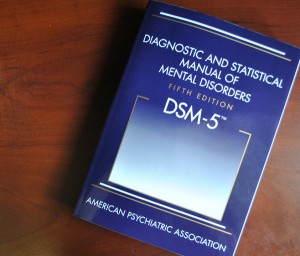
Allen Francis, MD writes in the Psychiatric Times that almost everyone meets the criteria for one or another of the conditions listed in the Diagnostic and Statistical Manual of Mental Disorders, the book psychiatrists use to determine whether you have a mental illness. The fifth edition of the manual (DSM-5), due in 2013, will relax these criteria even further, giving psychiatric labels to even more people.

According to 2010 figures from the National Institute of Mental Health (NIMH), more than 25 percent of the adult population has a diagnosable mental disorder. That’s approximately 60 million people. A prospective study found that, by age 32, half of U.S. adults could be diagnosed with anxiety; 40 percent with depression; and 30 percent with alcohol abuse or dependence.

With criteria proposed for the DSM-5, psychiatrists could diagnose “Nicotine Use Disorder” or “Caffeine-Induced Sleep Disorder.” If your child has temper tantrums, that’s one of the signs of “Temper Dysregulation Disorder with Dysphoria.” Bad dreams? It could be a case of “Nightmare Disorder.”

Why is this a problem? Mental illness carries a stigma. A diagnostic label can follow you for the rest of your life. It is shared with your insurance company. Your family and friends might make certain assumptions about you. Your doctor may insist you need psychiatric drugs.

More and more behaviors, however, are being stamped as “mental illnesses.”

Francis writes that individual differences that were once accepted as normal have become medicalized. Our society, he says, has become perfectionistic and intolerant of even short-term distress.

Read entire article:  http://www.examiner.com/x-31400-Portland-Mental-Health-Examiner~y2010m7d13-Psychiatric-overdiagnosis-means-normal-could-become-obsolete

« Return to news items


  • Share/Bookmark

The Huffington Post—Life is Not a Mental Disorder

Tuesday, July 13th, 2010

The Huffington Post
By Ronald Ricker
July 13, 2010

The Bible (or really any religious text) can be made to say and mean anything the author wishes.

The “Bible” of psychiatry, that fabled and hoary text, the DSM-IV-TR (Diagnostic Statistical Manual of Mental Disorders written by the American Psychiatric Association), is no different. Conceived as an instrument to identify and help heal disorders of the mind, it has morphed as to both form and function. Too often, psychiatrists wield the DSM-IV-TR like a blunt instrument, desperate in their drive to assign names to supposed “mental conditions” and thus to be able to assign numbers to these “conditions.” Discover a new widely inclusive “condition,” give it a name and number and you have a winner: One more brick in the wall of sicknesses.

DSM-IV-TR is very large book. We have lots of diagnoses, the number rapidly growing. We need lots of page room. Aside from blank pages, Chapter Heading Pages, and long lists of Contributors, etc., DSM-IV-TR is chuck full of diagnoses, with detailed descriptions and code numbers for each diagnosis. This book is 952 pages long. It weighs 4.8 pounds.

There is an odd situation in DSM-IV-TR. Really odd. In its entirety, all 952 pages, there is no “No Disorder” option. Therefore, everyone is seen by DSM-IV-TR as sick, the only question being from which sickness(es) they suffer. The annual physical checkup many of us get, usually, unless there is something wrong, ends with “everything is fine.” This, apparently, doesn’t exist in mental health.

I have always felt that I was a crummy writer, starting from college and thereafter (including medical school, internship, National Institute of Mental Health, Psychiatric Residency). However, in writing this poorly written piece, while trudging through DSM-IV-TR, I found 315.2 – “Disorder of Written Expression.” It was an AH-HA moment. I may be a crummy writer, but it’s because I have a disease. Criteria, according to DSM-IV-TR, for this disease (315.2) are 3:

  • a) Writing skills below those expected given the person’s chronological age, measured intelligence and age appropriate education;
  • b) The disturbance in criterion A significantly interferes with academic achievement or activities of daily living that require the composition of written texts (e.g, writing grammatically correct sentences and organized paragraphs);
  • c) If a sensory deficit is present, the difficulties in writing skills are in excesses of those usually associated with it.

Read entire article:  http://www.huffingtonpost.com/ronald-ricker/life-is-not-a-mental-diso_b_644606.html

« Return to news items


  • Share/Bookmark

Ready for Psychiatry’s latest mental illness? Try this: Healthy Eating Disorder

Tuesday, June 29th, 2010

Natural News
By Mike Adams
June 29, 2010

In its never-ending attempt to fabricate “mental disorders” out of every human activity, the psychiatric industry is now pushing the most ridiculous disease they’ve invented yet: Healthy eating disorder.

This is no joke: If you focus on eating healthy foods, you’re “mentally diseased” and probably need some sort of chemical treatment involving powerful psychotropic drugs. The Guardian newspaper reports, “Fixation with healthy eating can be sign of serious psychological disorder” and goes on to claim this “disease” is called orthorexia nervosa — which is basically just Latin for “nervous about correct eating.”

But they can’t just called it “nervous healthy eating disorder” because that doesn’t sound like they know what they’re talking about. So they translate it into Latin where it sounds smart (even though it isn’t). That’s where most disease names come from: Doctors just describe the symptoms they see with a name like osteoporosis (which means “bones with holes in them”).

Getting back to this fabricated “orthorexia” disease, the Guardian goes on to report, “Orthorexics commonly have rigid rules around eating. Refusing to touch sugar, salt, caffeine, alcohol, wheat, gluten, yeast, soya, corn and dairy foods is just the start of their diet restrictions. Any foods that have come into contact with pesticides, herbicides or contain artificial additives are also out.”

Wait a second. So attempting to avoid chemicals, dairy, soy and sugar now makes you a mental health patient? Yep. According to these experts. If you actually take special care to avoid pesticides, herbicides and genetically modified ingredients like soy and sugar, there’s something wrong with you.

But did you notice that eating junk food is assumed to be “normal?” If you eat processed junk foods laced with synthetic chemicals, that’s okay with them. The mental patients are the ones who choose organic, natural foods, apparently.

Read entire article:  http://www.naturalnews.com/029098_orthorexia_mental_disorder.html

« Return to news items


  • Share/Bookmark

The Huffington Post— Creating Disease: Big Pharma and Disease Mongering

Sunday, June 20th, 2010

The Huffington Post
by Dr. Larry Dossey
June 18, 2010

You may think there is enough disease in the world already, and that no one would want to add to the diseases that we humans must deal with. But there is a powerful industry in our society that is working overtime to invent illnesses and to convince us we are suffering from them.

This effort is known as “disease mongering,” a term introduced by health-science writer Lynn Payer in her 1992 book Disease-Mongers: How Doctors, Drug Companies, and Insurers Are Making You Feel Sick. Payer defined disease mongering as “trying to convince essentially well people that they are sick, or slightly sick people that they are very ill.” This strategy has also been called “the corporate construction of disease” by Ray Moynihan, Iona Heath and David Henry in the British Medical Journal. “There’s a lot of money to be made from telling healthy people they’re sick,” they say. “Pharmaceutical companies are actively involved in sponsoring the definition of diseases and promoting them to both prescribers and consumers.”

Read entire article:  http://www.huffingtonpost.com/dr-larry-dossey/big-pharma-health-care-cr_b_613311.html

« Return to news items


  • Share/Bookmark

Psychiatric Industry claims 30 million kids in China have mental disorders—that’s nearly the entire population of Canada

Friday, June 11th, 2010

AllVoices.com
By BMcPherson
June 11, 2010

Information coming out of China has the number of young people with mental disorders pegged at 30 million. That’s nearly the whole population of Canada. This is compared to a Chinese population of over 300 million under the age of 17.

To think that nearly one in 10 young people in China have some sort of mental derangement is very disturbing, considering that they have the world’s largest standing army, are nuclear weaponized and are becoming the world’s big boy with regard to global trade.

“The number 30 million is based on regional researches in recent years. Since the mental health of children must have worsened over time, the real number could be even higher,” said Cui Yonghua, a child psychiatrist with the Beijing Anding Hospital.”China Daily

Further reading brings about a big sigh of relief, however. Most behaviors described by the experts in China are what we in the decadent West consider normal behaviors…

Read entire article:  http://www.allvoices.com/contributed-news/6040479-30-million-youngsters-in-china-have-mental-disorders

« Return to news items


  • Share/Bookmark

Natural News: Children’s temper tantrums to be reclassified as mental disorders

Tuesday, May 11th, 2010

Natural News
By Ethan A. Huff
May 11, 2010

Proposed changes to the U.S. Diagnostic and Statistical Manual (DSM) could include reclassifying childhood temper tantrums, teenage angst, and binge eating as psychiatric disorders. If accepted, the proposals could equal billions of dollars in new revenue for pharmaceutical companies.

The DSM is often referred to as the “bible” of the psychiatric profession. The handbook exerts significant influence on the American healthcare system, affecting everything from insurance companies and medical providers to universities and prisons. Even the legal system lends credence to its provisions.

It is precisely because of its wide scope of influence that many condemn the DSM. The manual is known for categorizing character traits and emotions as mental conditions for which medical treatment, typically drugs with highly dangerous side effects, is advised.

According to Christopher Lane, author of a 2007 critique of DSM called Shyness: How Normal Behavior Became a Sickness and professor at Northwestern University, responded to the American Psychiatric Association’s (APA) proposal by saying, “The organization is clearly opening another Pandora’s box here, as well as paving the way for the medication of even greater numbers of children and teenagers cycling through emotional stages as part of normal development.”

He is right, considering the fact that if binge eating is reclassified as a psychiatric disorder, millions of Americans could instantly be declared as mentally ill. Though provisions would be included to exclude those who merely overeat, the ramifications of associating eating disorders with mental illness at all would likely include a massive increase in the number of people taking psychotropic drugs.

Read entire article:  http://www.naturalnews.com/028762_children_disorders.html

« Return to news items


  • Share/Bookmark

“Psychiatry’s ‘bible’ could roll out a whole new list of disorders—and more prescriptions for psychoactive drugs”

Friday, April 30th, 2010

The Gazette
By Sharon Kirkey
April 26, 2010

As Dr. Allen Frances read through the list of proposed changes to psychiatry’s bible of mental sickness, alarms started ringing in his own mind.

“I was surprised,” the renowned U.S. psychiatrist says, “that the proposals managed to be much worse than my most pessimistic expectations.”

By the time he was finished reading, Frances had calculated that the recommendations contained within the first draft for the fifth and latest revision of the Diagnostic and Statistical Manual of Mental Disorders – a hugely influential book used daily by doctors worldwide, psychiatry’s official classification of all the ways humanity can go “mad” – could unnecessarily trigger wholesale “epidemics” of mental illness and expose millions more adults and children to potentially harmful psychiatric drugs.

Frances, more than most, knows the kind of surprises that may be lurking.

He chaired the task force that wrote the current edition of the manual – referred to as DSM-IV – which Frances says is a book that unintentionally contributed to vast and sudden increases in the diagnosis of attention-deficit hyperactivity disorder, autism and childhood bipolar disorder (manic depression), after it made changes in those definitions.

Rates of bipolar disorder alone jumped 40-fold in the U.S. after the definition was broadened to suggest that children don’t have to experience the typical manic symptoms seen in adults to be diagnosed bipolar – and that depression in kids can be a persistent irritable mood.

Read entire article:  http://www.montrealgazette.com/news/canada/Psychiatry+bible+could+roll+whole+list+disorders/2951855/story.html#ixzz0mbCzBKaU

« Return to news items


  • Share/Bookmark

Psychiatry’s latest mental disorders—”Creativity? There’s a pill for that. Not to mention nonconformity and quirkiness”

Tuesday, April 27th, 2010

Not to mention nonconformity and quirkiness — the definition of mental illness changes

Canada.com
By Sharon Kirkey
April 27, 2010

Since 1950, man has landed on the moon, made computers commonplace and harnessed nuclear power.

We’re obviously using our minds to the fullest. Yet the number of ways we can go officially crazy has nearly tripled.

The hugely influential reference book used by psychiatrists and other mental health professionals the world over to diagnose mental illness — the Diagnostic and Statistical Manual of Mental Disorders — currently lists 357 types of psychiatric afflictions, up from 128 when the first volume was published in 1952.

The psychiatric establishment says it has learned to detect more mental illness in the population than was possible a half-century ago, and that science has advanced to the point that the broadly defined disorders of the past are now seen with much greater resolution, yielding many more specific conditions.

We’re not expanding the domain, they argue, as much as we’re refining it.

But skeptics say it is less about advances in brain science and more about psychiatry shuffling more and more behaviours and reactions to life’s letdowns into boxes of mental dysfunction and assigning them codes, and that we risk becoming so overdiagnosed and overmedicated, we’ll be like the patient in The New Yorker cartoon, who asks his psychiatrist: “Could we up the dosage? I still have feelings.”

“The unavoidable conclusion is that we’ve narrowed healthy behaviour so dramatically that our quirks and eccentricities — the normal emotional range of adolescence and adulthood — have become problems we fear and expect drugs to fix,” says Christopher Lane, author of Shyness: How Normal Behavior Became a Sickness.

It’s not enough that people sometimes want to be alone, Lane says. Solitude? According to the DSM, including its criteria for “avoidant” and “schizoid”personality disorders, that could be viewed as a sign of mild psychosis, he warns. Feeling restless, keyed up or on edge could be markers of generalized anxiety disorder, and trouble sleeping a symptom of a major depressive disorder.

The more diagnostic categories added to the DSM, the more broadly they’re defined, the bigger the market of potential new drug customers grows, says Stuart Kirk, professor of social welfare at the University of California Los Angeles School of Public Affairs. Within each revision of psychiatry’s bible, pharmaceutical companies see a “bonanza” of marketing possibilities, he says.

Read entire article:  http://www.canada.com/life/Creativity+There+pill+that/2955948/story.html

« Return to news items


  • Share/Bookmark