Posts Tagged ‘joseph biederman’

Children Exploited for Profit Using Fictitious Mental Disorders

Thursday, April 7th, 2011

"For over two decades drug and psychiatric industries have bombarded schools, parents, doctors, the media and government with propaganda that ADHD is a medical condition that must be managed with drugs."

NaturalNews.com— April 7, 2011

By Monica G. Young

We’re ashamed that exploitation of children for profit was once tolerated in America: such as children as young as five shackled to machines while working 16-hour days in factories, or black children auctioned and sold as slaves. Yet future generations will look back on our era too with shame: a time when labeling kids with fictitious mental disorders and hooking them on drugs was a multi-billion dollar business.

About 10 percent of U.S children – over five million – are said to have Attention Deficit Hyperactivity Disorder, a mental illness treated with drugs. A recent study blows a wide hole in that myth.

A team of Dutch researchers took 100 unmedicated children diagnosed with ADHD and fed half of them a diet free of processed foods and allergens. The other half served as a control group. Within five weeks, 64 percent of those in the test group saw remarkable changes. “After the diet, they were just normal children with normal behavior,” lead researcher Dr. Lidy Pelsser tells NPR. “They were no longer more easily distracted, they were no more forgetful, there were no more temper-tantrums.”

Dr. Pelsser explains, “ADHD, it’s just a couple of symptoms — it’s not a disease. There is a paradigm shift needed. If a child is diagnosed ADHD, we should say, ‘OK, we have got those symptoms, now let’s start looking for a cause.’… With all children, we should start with diet research. But now we are giving them all drugs, and I think that’s a huge mistake.”

Most ADHD-diagnosed kids are prescribed powerful stimulants which can cause nausea, insomnia, liver damage, heart failure, hallucinations, convulsions, violent behavior, suicidal thoughts and sudden death. The U.S. Drug Enforcement Administration categorizes these as Schedule II drugs – the same class as cocaine and opium.

For over two decades drug and psychiatric industries have bombarded schools, parents, doctors, the media and government with propaganda that ADHD is a medical condition that must be managed with drugs. But let’s dissect this:

* Pharmaceutical and psychiatric literature, ads and advocates typically claim ADHD kids have brain dysfunctions or brain chemical imbalances and that it’s genetically based, while also stating the cause is unknown and no lab tests can detect it.

Huh? As no lab tests can detect it and its cause is unknown, how can they scientifically link it to brain malfunction, chemical imbalances or genetic influence? They can’t.

* They say a doctor’s diagnosis relies on the child’s response to questions, the family’s description of behavior problems and a school assessment.

Hello? Can you imagine a doctor diagnosing cancer without lab tests? Or diagnosing diabetes and prescribing insulin injections based on a family member’s report? Or putting a boy’s leg in a cast due to a teacher’s assessment? We would call such a doctor a fraud.

* They say symptoms include impulsivity, dashing around, difficulty focusing on one thing, avoiding activities that are boring, squirming and bouncing a lot, talking excessively and finding it difficult to play quietly. And these symptoms must have been present before the age of seven.

Wait a second. When are kids generally the most spontaneous, energetic, rambunctious and have the lowest attention span? Before the age of seven!

* They say that in a child with ADHD, the above symptoms are more pronounced than in other kids the same age. In other words, this isn’t medical science – it’s OPINION. Plus they omit or enormously downplay the factor of diet.

*And here’s the clincher. They say ADHD cannot be cured but its symptoms can be managed with medication.

So there you have it – it’s clearly a marketing scheme to target children and create lifelong customers for the psychiatric drug industry.

Dr. Fred Baughman, neurologist and author who has testified before Congress, says it like this, “They made a list of the most common symptoms of emotional discomfiture of children; those which bother teachers and parents most, and in a stroke that could not be more devoid of science or Hippocratic motive — termed them a ‘disease.’ Twenty five years of research, not deserving of the term ‘research,’ has failed to validate ADD/ADHD as a disease. Tragically – the ‘epidemic’ having grown from 500 thousand in 1985 to between five and seven million today – this remains the state of the ‘science’ of ADHD.”

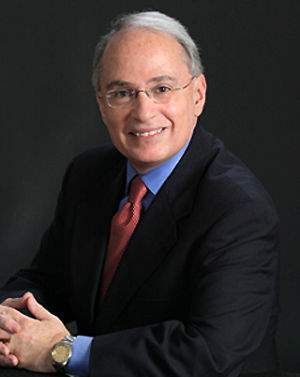
One of the world’s most influential child psychiatrists and “expert” proponents of ADHD for years has been Harvard’s Dr. Joseph Biederman. He has published hundreds of papers on ADHD and ADHD drug treatment, and is one of the most-cited researchers on the subject. In 2009 a Congressional inquiry revealed that between 2000-2007, Biederman earned at least $1.6 million in consulting fees from drug makers. It appears Dr. Biederman has an acute case of Greed Disorder.

Just as our country has defeated and outlawed child exploitation in the past, psychiatric labeling and drugging of children must too be abolished.

« Return to news items


Share

Profiting from mental ill-health

Tuesday, March 15th, 2011

There’s a reason psychiatrists prescribe drugs rather than talking therapy: the latter makes no money for pharmaceutical firms

The Guardian
By Harriet Fraad
March 15, 2011

More than one in ten Americans takes Prozac; the US comprises 5% of the world's population, yet consumes two thirds of psychological medications. Photograph: Stone/Jonathan Nourok/Getty

The New York Times recently led with a front-page splash about psychiatry’s propensity to prescribe pills, “Talk Doesn’t Pay, So Psychiatry Turns Instead to Drug Therapy”. That news is already widely known in the mental health field, but it has vast ramifications for Americans trying to maintain their sanity in our market-driven and medical system for delivering mental healthcare.

What does the turn to drug therapy mean for the mass of Americans?

Mental illness has not decreased with the change from talk therapy to drugs. In fact, as Robert Whitaker’s book diagnoses, mental illness in America has become an established epidemic. So-called miracle drugs like Prozac are taken by 11% of the population – and Prozac is only one of the 30 available antidepressants on the market. Antidepressants are accompanied by anti-anxiety and anti-psychotic drugs. Xanax, America’s leading anti-anxiety medication, is so ubiquitous that Xanax generates more revenue than Tide detergent, reports Charles Barber in his Comfortably Numb.

Anti-psychotics drugs alone net the pharmaceutical industry at least $14.6bn dollars a year. Psycho-pharmaceuticals are the most profitable sector of the industry, which makes it one of the most profitable business sectors in the world. Americans are less than 5% of the world’s population, yet they consume 66% of the world’s psychological medications.

Do these psycho pharmaceuticals work to restore mental health? Actually, the evidence is overwhelming that they fail. Antidepressants, the most popular psycho-pharmaceuticals, work no better than placebos. They work 25% of the time and stop working when the user stops taking them. In addition, they may actually harm patients in the long run. They disrupt brain neurotransmitters and may usurp the brain’s organic soothing functions.

Psycho-pharmaceuticals are less effective in the long run than talk therapy. Talk therapy, like drugs, does change brain and body chemistry; unlike drugs, though, talk therapy has no side-effects. Instead, talk therapy gives a patient tools that usually help to solve future problems. The latest research is most clearly expressed in both Irving Kirsch’s Antidepressants: The Emperors New Drugs and Gary Greenberg’s, Manufacturing Depression, both published last year. Kirsch is one of the world’s leading psychiatrists; Greenberg is one of the world’s most prestigious psychologists. Their views are echoed by many voices in the field of mental health. Why is prestigious and extensive research so widely ignored by doctors and patients alike? Our market-driven healthcare system gives us clues.

All 30 of the available antidepressants have suffered lawsuits within five years of their appearance on the market. These suits are often settled with large payments and gag clauses. The new generation of anti-psychotics are the latest case in point. Anti-psychotics were the single biggest targets of the False Claims Act. Every major company selling anti-psychotics – Bristol Meyers Squibb, Eli Lilly, Pfizer, Johnson and Johnson and AstraZeneca – has either settled investigations for healthcare fraud or is currently being investigated for it. Two recent settlements involving charges of illegal marketing set records for the largest criminal fines ever imposed on corporations. Their corporate logic is expressed in the words of Dr Jerome Avorn, a medical professor and researcher at Harvard: “When you are selling a billion a year or more of a drug, it’s very tempting for a company to just ignore the traffic ticket and keep speeding.”

There is also the widespread practice of paying physicians and psychiatrists heavy subsidies to recommend psycho-pharmaceuticals to their colleagues in small meetings at which a drug company representative is present. If doubt or criticism of the discussed drug is expressed, the doctor’s stipend stops. Another legally acceptable tool is to publish praise of a company’s drug in a scholarly article, which is often written by drug company personnel and simply tweaked by the physician whose name appears on the article. The physician is paid handsomely for such a service.

Under the pressure of legal settlements and embarrassing disclosures, eight pharmaceutical companies began posting doctors’ names and compensation on the web. ProPublica compiled these disclosures, totaling $320m, into a single database that allows patients to search for their doctor. Receiving payments for publishing articles written by drug companies is not illegal.

Two doctors, Dr Joseph Biederman and Dr Timothy Wilens of Harvard University Medical School, illustrate the close and cozy relationship between medical “scholarship” and drug companies. Drs Biederman and Wilens netted $1.6m each from drug companies for their work in recommending powerful anti-psychotic drugs for children. Biederman, Wilens and other extremely well-rewarded child psychiatrists are in part responsible for giving children the diagnosis of paediatric bipolar disorder for which anti-psychotic drugs like Risperidal and Zyprexa are used.

Experts agree that there is no long-term improvement in children’s lives from taking anti-psychotic drugs. In fact, these drugs have a substantiated pattern of metabolic problems and rapid weight gain that often leads to diabetes. The use of bipolar diagnoses and bipolar medications is one small example of how market-driven mental healthcare works in the United States. It illustrates the transformation of US healthcare into a system dominated by some of the richest corporations in the world.

Caring about profit is first, and that is why psychiatry has turned to drug therapy.

Read article here:  http://www.guardian.co.uk/commentisfree/cifamerica/2011/mar/15/psychology-healthcare

« Return to news items


Share

People & Power—Drug Money

Tuesday, August 17th, 2010

A 23 minute TV expose on Big Pharma by ALJAZEERA (see video at bottom of this page)

This piece pulls no punches exposing the rampant fraud, fatal drug side effects, off label marketing, criminal practices  and “absolutely jaw dropping” payouts Pharma makes to psychiatrists/doctors.

  • “There is so much money to be made in stealing from the United States Healthcare system,” says Patrick Byrnes, Taxpayers Against Fraud.
  • Lewis Morris, US Department of Health states, “One of the things we are now looking at is going after the executives in these companies and holding them personally accountable.”
  • Sharon Ormsky, FBI Financial Crimes Unit states, “Pharmaceutical fraud is one of our top three threats — everybody is touched by these frauds in the extent that when you look at the billions of dollars that go into healthcare for the United States, a good percent,  3-10% of that is believed to be siphoned off into fraud—that’s  money that  could be going to very needy patients.”

Now the U.S. government is fighting back.  In the last two years alone, the  government has fined six of America’s  top ten pharmaceutical companies for fraud.  Investigations are ongoing against another three.  In this period the industry has had to pay out over 5 billion dollars in fines, and topping the list is drug giant Pfizer, having recently settled civil & criminal charges resulting in $2.3 billion dollars —the biggest fraud case, the biggest criminal case, the biggest false claims act in U.S. history.   ALJAZEERA also exposes Pfizer’s “interesting way of doing business.  Witnesses in the case revealed just how the company persuaded doctors to prescribe its drugs. It entertained them in strip clubs, it told them that the blues teenagers feel when they don’t make the football team was signs of treatable depression and it paid them to endorse Pfizer drugs. One doctor received $150,000 in a year.

Also highlighted is the current scandal regarding antipsychotic drugs, including state law suits, dangerous documented side effects and how federal investigators are now looking into claims drug company Johnson & Johnson illegally marketed their antipsychotic drug Risperdal to children, paying “some of the most influential doctors in the field” in order to accomplish this.  And leading that pack sits none other than the  [now] infamous psychiatrist Joseph Biederman, who has been “credited” with the huge increase of children prescribed psychiatry’s most powerful/dangerous drugs, antipsychotics, while receiving millions in Pharma kickbacks that he failed to disclose.   Biederman is shown on tape being questioned under oath, and when asked “What rank are you?” Biederman responds, “Full Professor.” When asked “What comes after that?” Biederman responds, “GOD.”

This is a 23 minute expose well worth watching.

This is one of the best exposé’s on Big Pharma we’ve seen:

People & Power —Drug Money, produced by ALJAZEERA.  This piece pulls no punches exposing the rampant fraud, fatal drug side effects, off label marketing, criminal practices  and “absolutely jaw dropping” payouts Pharma makes to psychiatrists/doctors.

* “There is so much money to be made in stealing from the United States Healthcare system,” says Patrick Byrnes, Taxpayers Against Fraud.

* Louis Morris, US Department of Health states, “One of the things we are now looking at is going after the executives in these companies and holding them personally accountable.”

*Sharon Ormsky, FBI Financial Crimes Unit states,  ”Pharmaceutical fraud is one of our top three threats — everybody is touched by these frauds in the extent that when you look at the billions of dollars that go into healthcare for the United States, a good percent,  3-10% is believed to be siphoned off into fraud that’s  money that  could be going to very needy patients.”

Now the U.S. government is fighting back.  In the last two years alone, the  government has fined six of America’s 10 pharmaceutical companies for fraud.  Investigations are ongoing into another three.  In this period the industry has had to pay out over 5 billion dollars in fines, and topping the list is drug giant Pfizer, having recently settled civil & criminal charges resulting in $2.3 billion dollars —the biggest fraud case, the biggest criminal case, the biggest false claims act in U.S. history.   ALJAZEERA also exposes Pfizer’s “interesting way of doing business.  Witnesses in the case revealed just how the company persuaded doctors to prescribe its drugs. It entertained them in strip clubs, it told them that the blues teenagers feel when they don’t make the football team was signs of treatable depression and it paid them to endorse Pfizer drugs. One doctor received $150,000 in a year.

Also highlighted is the current scandal regarding antipsychotic drugs, including state law suits, dangerous documented side effects and how federal investigators are now looking into claims drug company Johnson & Johnson illegally marketed their antipsychotic drug Risperdal to children, paying “some of the most influential doctors in the field” in order to accomplish this.  And leading that pack sits none other than the  [now] infamous psychiatrist Joseph Biederman, who has been “credited” with the huge increase of children prescribed psychiatry’s most powerful/dangerous drugs, antipsychotics, while receiving millions in Pharma kickbacks that he failed to disclose.   Biederman is shown on tape being questioned under oath, and when asked “What rank are you?” Biederman responds, “Full Professor.” When asked “What comes after that?” Biederman responds, “GOD.”

This is a 23 minute expose well worth watching.

http://www.youtube.com/watch?v=1TwdsYVHjGA&feature=player_embedded#!

This is one of the best exposé’s on Big Pharma we’ve seen:

People & Power —Drug Money, produced by ALJAZEERA.  This piece pulls no punches exposing the rampant fraud, fatal drug side effects, off label marketing, criminal practices  and “absolutely jaw dropping” payouts Pharma makes to psychiatrists/doctors.

* “There is so much money to be made in stealing from the United States Healthcare system,” says Patrick Byrnes, Taxpayers Against Fraud.

* Louis Morris, US Department of Health states, “One of the things we are now looking at is going after the executives in these companies and holding them personally accountable.”

*Sharon Ormsky, FBI Financial Crimes Unit states,  ”Pharmaceutical fraud is one of our top three threats — everybody is touched by these frauds in the extent that when you look at the billions of dollars that go into healthcare for the United States, a good percent,  3-10% is believed to be siphoned off into fraud that’s  money that  could be going to very needy patients.”

Now the U.S. government is fighting back.  In the last two years alone, the  government has fined six of America’s 10 pharmaceutical companies for fraud.  Investigations are ongoing into another three.  In this period the industry has had to pay out over 5 billion dollars in fines, and topping the list is drug giant Pfizer, having recently settled civil & criminal charges resulting in $2.3 billion dollars —the biggest fraud case, the biggest criminal case, the biggest false claims act in U.S. history.   ALJAZEERA also exposes Pfizer’s “interesting way of doing business.  Witnesses in the case revealed just how the company persuaded doctors to prescribe its drugs. It entertained them in strip clubs, it told them that the blues teenagers feel when they don’t make the football team was signs of treatable depression and it paid them to endorse Pfizer drugs. One doctor received $150,000 in a year.

Also highlighted is the current scandal regarding antipsychotic drugs, including state law suits, dangerous documented side effects and how federal investigators are now looking into claims drug company Johnson & Johnson illegally marketed their antipsychotic drug Risperdal to children, paying “some of the most influential doctors in the field” in order to accomplish this.  And leading that pack sits none other than the  [now] infamous psychiatrist Joseph Biederman, who has been “credited” with the huge increase of children prescribed psychiatry’s most powerful/dangerous drugs, antipsychotics, while receiving millions in Pharma kickbacks that he failed to disclose.   Biederman is shown on tape being questioned under oath, and when asked “What rank are you?” Biederman responds, “Full Professor.” When asked “What comes after that?” Biederman responds, “GOD.”

This is a 23 minute expose well worth watching.

« Return to news items


Share

DSM Panel Members Still Getting Pharma Funds

Friday, May 21st, 2010

Despite promises to cut back on Pharma funds, 56% of DSM V panel members have reported industry ties— Zero improvement over the percent of DSM-IV members.


By CCHR International
May 21, 2010

Due to Senate investigations into the American Psychiatric Association, psychiatrists have promised to cut back on their conflicts of interest (pharma funds), but of the current DSM task force members, those who will be deciding on the holy grail of psychiatric disorders (DSM) and what constitutes a “mental illness” are still heavily funded by Pharma. In fact, there is no improvement over cutting down the number of panel members who are getting paid by industry over the last DSM revision in 1994. It was 56% then and its 56% now. So much for psychiatry’s promises…

Former APA president Nada Stotland stated: “We are in the midst of a revolution caused by public and legislative concern about the influence of the for-profit sector….” [Emphasis added] Part of that public pressure for the APA to disclose its conflicts of interest with pharmaceutical companies was driven by Lisa Cosgrove Ph.D. et al’s study of DSM-IV and DSM-IV-TR committee members, which found that of the 170 members, 56% had one or more financial associations with companies in the pharmaceutical industry.  Pharma’s psychotropic drug profits have soared commensurately with the increased numbers of disorders voted into the DSM.

  • Of the 137 DSM-V panel members who have posted disclosure statements, 56% have reported industry ties—no improvement over the percent of DSM-IV members.
  • Writing in Psychiatric Times (March 6, 2010), Cosgrove and Harold J. Bursztajn, MD, stated: “Although the APA recently announced that it would phase out the visibly industry-supported educational programs, the organization has remained curiously silent about acknowledging and monitoring industry funding of the 2 philanthropic arms of the APA—the American Psychiatric Foundation (APF) and the American Psychiatric Institute for Research and Education (APIRE).”
  • APF’s 15-member board of directors includes 4 high-level executives from pharmaceutical companies that either manufacture drugs recommended by APA (i.e.; in APA’s Clinical Practice Guidelines [CPG]) or have products in development targeted for mental disorders.
  • Other board members include 2 more with industry ties and a senior vice president at one of the largest public relations agencies in the world, whose clients include 6 drug companies.
  • APF’s corporate advisory council comprises pharmaceutical companies that contribute significant funding to APF and manufacture drugs recommended in the APA’s CPG; 6 of the companies give $40,000 “and above” per year.
  • APIRE, like APF, does not require disclosure of financial conflicts of interests, yet 9 of 16 of its board members have industry ties.
  • At least a quarter of the presenters at this year’s APA congress have significant pharmaceutical company ties.

The APA should sever all ties to pharmaceutical company interests. The US Senate Finance Committee has investigated at least a dozen APA psychiatrists over their undisclosed financial ties to drug companies, including:

Investigated - Alan Schatzberg, APA President: Owned $6 million equity in and as co-founder of drug developer Corcept Therapeutics while principle investigator in an NIH-funded, Stanford-based study of Corcept’s drug mifepristone. Schatzberg initiated the patent application on mifepristone to “treat psychotic depression” in 1997. In 2008, after months of Congressional scrutiny, Schatzberg stepped down from his position as principal investigator in the study.


Investigated – Joseph Biederman: Chief of the Program in Pediatric Psychopharmacology, Massachusetts General Hospital, he earned $1.6 million in consulting fees from drug makers between 2000 and 2007, most of which was not disclosed to Harvard University officials. In March 2009, court documents showed Biederman promised Johnson & Johnson in advance that his studies of their antipsychotic Risperidone would prove effective when used on preschool age children.


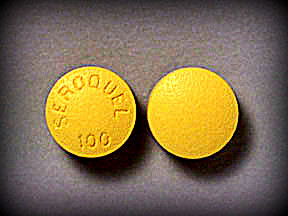
Investigated - Melissa DelBello: Research psychiatrist, University of Cincinnati failed to disclose all her Pharma earnings. In 2002, she was the lead author of a study that reported patients benefited from Seroquel by AstraZeneca, which paid her $180,000. She disclosed receiving $100,000 from the company between 2005 and 2007, but federal investigators discovered it was more than double that—$238,000.


Investigated - Frederick Goodwin: Former NIMH director, Goodwin earned at least $1.3 million between 2000 and 2007 for marketing lectures to physicians on behalf of drug makers, which he did not reveal to the producers of “The Infinite Mind” that he hosted on the National Public Radio during its 10-year run. NPR removed the program.


Investigated - Charles Nemeroff: Perhaps the most egregious case exposed was that of Dr. Nemeroff, chair of Emory University’s department of psychiatry and, along with Schatzberg, coeditor of the influential Textbook of Psychopharmacology. He received more than $960,000 from GSK, but reported to Emory $35,000.  He earned a further $2.8 million from various drug makers but failed to report at least $1.2 million. Nemeroff resigned his position at Emory in 2008.


Investigated - Martin Keller: Professor of Psychiatry at Brown University. His (and others’) Study 329 (ghostwritten by a GSK rep.) on Paxil use in children allegedly misrepresented data and suppressed information linking Paxil to suicidal tendencies. Keller didn’t disclose the full extent of his financial ties with companies to medical journals that published his research. In another matter, following a criminal investigation, Brown University returned $300,170 to the state of Massachusetts for research Keller’s department never performed. Keller stepped down as chair of psychiatry at Brown.


Investigated - Augustus John Rush: Former Vice-Chairman of the Dept. of Clinical Sciences at the University of Texas Southwestern Medical Center. He reported only $3,000 of the nearly $18,000 that Eli Lilly paid him in 2001.  Between 2000 and 2007, he failed to report another $12,000 from various drug companies.


Investigated - Karen Wagner: Professor, University of Texas Medical Branch failed to disclose more than $160,000 in payments from GSK, reporting only $18,000. Wagner worked on NIH-funded studies on the use of Paxil to treat teen depression and was a co-researcher on Study 329 (see Keller), for which she was paid more than $18,000. In 2002, Eli Lily paid her over $11,000, which was not disclosed.


Investigated – Thomas Spencer: Assistant Director of the Pediatric Psychopharmacology Unit at Massachusetts General Hospital and Associate Professor of Psychiatry, Harvard Medical School, reportedly failed to disclose at least $1 million in earnings from drug companies between 2000 and 2007.


Investigated - Timothy Wilens: Associate Professor of Psychiatry at Harvard Medical School allegedly failed to report he had earned at least $1.6 million from drug makers.


RETURN TO BLOGS PAGE


Share

American Psychiatric Association Called Upon to Cut Drug Company Ties and Put Lives of Children Before Profits

Friday, May 21st, 2010

Also see: DSM Panel Members Still Getting Pharma Funds

By CCHR International
May 21, 2010

NEW ORLEANS – As psychiatrists from around the world flood the area this weekend to take part in the Annual Meeting of the American Psychiatric Association (APA), psychiatric watchdog Citizens Commission on Human Rights (CCHR) is demanding that the APA sever all ties to pharmaceutical company interests and that psychiatrists stop killing children with harmful drugs.

The APA is expected to release its guidelines to reduce pharmaceutical industry ties at its convention, but it is likely to be self-serving and occurred only after public and legislative pressure forced the issue.

The US Senate Finance Committee has investigated at least 16 APA psychiatrists over their undisclosed financial ties to drug companies, including the APA’s own President, Alan Schatzberg who has stepped down as principal investigator of a National Institute of Health (NIH) funded study after months of Congressional scrutiny into his ties to the drug he was studying.  He was found to have actually initiated the patent application of the drug he was studying to “treat psychotic depression.”

Other notable APA members under scrutiny by the Senate Finance Committee and scheduled to present in New Orleans are Thomas Spencer, Assistant Director of the Pediatric Psychopharmacology Unit at Massachusetts General Hospital and Dr. Joseph Biederman, Chief of the Program in Pediatric Psychopharmacology, Massachusetts General Hospital.

Dr. Spencer reportedly failed to disclose at least $1 million in earnings from drug companies between 2000 and 2007. Dr. Biederman earned $1.6 million in consulting fees from drug makers during the same period, most of which was not disclosed to Harvard University officials. In March 2009, court documents showed Biederman promised Johnson & Johnson in advance that his studies of their antipsychotic risperidone (Risperdal) would prove effective when used on preschool age children. Risperdal has been linked to potentially life-threatening diabetes and Neuroleptic Malignant Syndrome.  The FDA database from 2000 to 2004 found at least 45 deaths in children under 18 with newer antipsychotics and 1,328 reports of other serious side effects, some life-threatening.

Former APA president Nada Stotland stated: “We are in the midst of a revolution caused by public and legislative concern about the influence of the for-profit sector….” [Emphasis added].  Part of that public pressure for the APA to disclose its conflicts of interest with pharmaceutical companies was driven by Lisa Cosgrove Ph.D. et al’s study of DSM-IV and DSM-IV-TR committee members, which found that of the 170 members, 56% had one or more financial associations with companies in the pharmaceutical industry.  Pharma’s psychotropic drug profits have soared commensurately with the increased numbers of disorders voted into the DSM.

While APA leaders and members profit from their industry connections to the drugs they are promoting; children are being killed by these same drugs.

Also see:  Meet the Psychiatrist Pushing For A Brave New World of Pre-Drugging Kids—Patrick McGorry

« Return to news items


Share

Confidential report reveals: Big Pharma trying to stop long-term safety studies of ADHD drugs

Friday, March 5th, 2010

TransWorldNews
By Janne Larsson
March 5, 2010

The companies producing methylphenidate products (like Ritalin and Concerta) are normally competitors, marketing ADHD as a disease and the narcotic drugs as its solution. But when they are threatened with marketing restrictions they have a common interest.

If more scientific long-term studies would be done showing the harmful effects of the drugs it could lead to withdrawal from the market of this class of drugs. Therefore Big Pharma has to stop all such studies not written and controlled by themselves. The only studies they support are those conducted by paid researchers like psychiatry professors Joseph Biederman, Timothy Wilens and Thomas Spencer, where the outcome is known already from the beginning.

The European Commission has 27 May 2009, after a long review by the European Medicines Agency (EMEA), decided to issue warnings about methylphenidate drugs. The Commission has also decided that a number of long-term studies of good quality should be done to investigate different harmful effects of these drugs.

So for example the manufacturers were ordered to submit data how they could do long-term studies of psychiatric adverse effects (e.g. depression, hostility and psychotic reactions) and of cognitive effects (effects on learning, intellectual function) of the drugs. The answer from the pharmaceutical companies was a confidential report Feasibility Assessment of a Study of Long-term Effects of Methylphenidate on Cognition and Psychiatric Outcomes written 30 October 2009 – now made public by a Swedish court.

Read entire article:  http://www.transworldnews.com/NewsStory.aspx?StoryID=244733

« Return to news items


Share

How Vested Interests Created the Perfect Marketing/Lobbying Machine: Mental Health “Advocacy” Groups—Funded by Pharma

Thursday, December 10th, 2009

by CCHR International

An ongoing U.S. Senate investigation headed by Senator Charles Grassley has  sought disclosure of pharmaceutical funding paid to researchers, physicians,  medical schools and medical journals.  Some of the nation’s most prominent psychiatrists have now been exposed for extensive conflicts of interest amounting to millions in undisclosed pharmaceutical funding, including Dr. Charles Nemeroff, Dr. Joseph Biederman, Dr. Melissa DelBello, Dr. Timothy Wilens, Dr. Thomas Spencer, Dr. Alan Schatzberg, Dr. Martin Keller, Dr. A. John Rush, Dr. Karen Wagner, Dr. Jeffrey Bostic and Dr. Frederick Goodwin — many of which serve as advisory board members to mental illness “advocacy groups” which are now also the subject of the Senate investigation for their undisclosed pharmaceutical funding.

The majority of the public may or may not be familiar with these so-called mental health advocacy organizations, such as the National Alliance on Mental Illness (NAMI), Children and Adults with Attention Deficit Hyperactivity Disorder (CHADD) or the myriad of bipolar, depression or ADHD “support groups” that are inundating the internet.

But they need to be.

These are groups operating under the guise of advocates for the “mentally ill,” which in reality are heavily funded pharmaceutical front groups – lobbying and working on state and federal laws which effect the entire nation — from our elderly in nursing homes to our military, pregnant women, nursing mothers and school children. Presenting themselves as patient advocacy groups is highly disingenuous not only to their membership, many of which may have a sincere desire to help a loved one or a family member with mental problems, but to legislators, the press and the American public — for they have consistently lobbied for legislation that benefits the mental health and pharmaceutical industries which fund them, and not patients they claim to represent.

Certainly any organization claiming to be for the rights of patients diagnosed mentally ill would have as their primary goal, full informed consent in the field of mental health – including full and complete disclosure of all drug risks, the right to refuse treatment, the right to know that psychiatric diagnoses are not medical conditions (evident by the fact there is not one confirmatory medical/scientific test). Above all such groups would provide patients with an abundance of information on non-harmful, non- drug, medical solutions and options considering the dangerous and well documented risks of psychiatric drugs by international drug regulatory agencies.

These groups do not.

A patients rights group for the mentally ill would never endorse something as absurd and obviously dangerous as giving electroshock to pregnant women, nor condone schools being able to require children to take a psychiatric drug as a condition of attending school. Furthermore, they would never be opposed to the FDA actually doing its job and finally issuing long overdue warnings that antidepressants can cause children to commit suicide, or issue warnings that ADHD drugs have serious and even deadly side effects. Yet these are just some of the actions condoned and promoted by these so-called patients rights groups.

As another example take the federally proposed bill, The Mothers Act; a previous version of this bill called on using a method of “screening” pregnant women and new mothers called EPDS, a screening method documented to triple the number of women diagnosed with Postpartum depression, according to a study published in Obstetrics & Gynecology. The Scandinavian Journal of Public Health stated that EPDS screening was unethical and should not be used. None of the so called advocacy groups for the mentally ill had any objections to this bill whatsoever, or endorsing such an unethical screening tool. They supported it. The bill would have passed with no objections from them whatsoever, if not for the dedication of real advocacy groups with no vested interests (ties to Pharma) opposing language in this bill that would have led to women being falsely diagnosed and put on dangerous psychiatric drugs to “treat” them, unnecessarily placing new mothers and their infants at great risk.

To put it simply, these groups are not what they appear to be. Yet their influence over legislation, lobbying, drug regulation (or lack thereof), and public relations campaigns is substantial and effects the entire nation. For they claim to be the voice of the “mentally ill.” But are they? Or are they the result of a brilliant marketing/lobbying campaign designed to benefit the industry that funds them—the Psycho/Pharmaceutical industry.

To find out how it all started click here: http://www.cchrint.org/psycho-pharmaceutical-front-groups/

« Return to news items


Share

One of the Pharma funded psychiatrists that spearheaded national child drugging campaign

Tuesday, November 10th, 2009

Catherine Lewis
Alternative Health Journal
November 9, 2009

Unfortunately it is becoming more and more common to hear reports of how the pharmaceutical industry is manipulating scientific findings and in turn readily handing out prescriptions to children, often unnecessarily. The factor that seems to be driving this trend is very simply the almighty dollar. Keep reading to find out who is responsible for this recent trend, and why your doctor may be getting your child hooked on unnecessary drugs.

There seems to be no choice but for Americans to question the validity of the pharmaceutical-industrial complex and the desire of its leaders to prey on unsuspecting people with the ultimate goal of padding their pockets. It seems that this industry has joined with the mental health profession as well.

Who Is Responsible for Putting Children on Psychiatric Drugs?

When asking the question, “Who is responsible?” there is at least one name that stands out. Dr. Joseph Biederman of Harvard University is a world renowned child psychiatrist.  Biederman has received awards of excellence from both the American Psychiatric Association and the American Academy of Child and Adolescent Psychiatry. He is on the editorial board of multiple journals, a reviewer for most of the psychiatric journals, and served as a grant reviewer in the Child Psychopathology and Treatment Review Committee of the NIMH.

Biederman is a very high-profile doctor that spear-headed the outbreak of children on psychiatric drugs. Biederman reportedly received $1.6 million from drug makers between 2000 and 2006. However, he failed to report most of this to his university, which may well have considered this to be a conflict of interest.

Read entire article: http://www.alternativehealthjournal.com/article/why_is_your_doctor_getting_your_child_hooked_on_unnecessary_drugs/3859

And the others: http://www.cchrint.org/cchr-issues/the-corrupt-alliance-of-the-psychiatric-pharmaceutical-industry/

« Return to news items


Share

A DANGEROUS COMBINATION: Corrupt Psychiatrists Partnering With Wealthy Pharmaceutical Giants

Monday, May 18th, 2009

A Dangerous Combination: Corrupt Psychiatrists Partnering With Wealthy Pharmaceutical Giants
Dr. David W. Tanton
Holistic Practitioner
May 18, 2009

One of the most dangerous combinations I’m aware of is one institution that has become more and more creative, yet less and less scientific (psychiatry), combined with one of the most profitable, yet corrupt industries in the entire world (PhRMA). They both have one common goal, amassing wealth and influence. But unfortunately, it’s at your expense, and possibly worst of all, even that of our innocent children!  Unfortunately, they seldom have any say in the matter – the worst kind of child abuse!

I assume that at least many of you are likely familiar with both organizations I’m referring to. One is a group of psychiatrists, for example, who were responsible for creating the Diagnostic and Statistical Manual of Mental Disorders (DSM) with its 374 different mental conditions, and the other is a group responsible for promoting the use of mind-altering drugs for a fee. Internally, the pharmaceutical companies often refer to them as prostitutes, as they are fully aware they’re always for sale for a price. The drug manufacturers first create an illusion – miracle drugs we somehow can’t do without. They then hire some psychiatrist with a fancy title (and no ethics), preferably also associated with a prominent institution, in an attempt to validate any deceptive claims they might choose to make.

Dr. Joseph Biederman, with Harvard University, is a prime example. He is, what I would consider, an egotistical poster boy for both corruption and greed. He is highly paid for his services, an issue that Senator Grassley recently insisted that he account for. Incidentally, Harvard University recently actually received an “F” grade, by their medical students, due to the excessive influence of pharmaceutical companies on their curriculum.

For some unknown reason, Dr. Biederman appears to have a high regard for what he considers as accomplishments. He has been instrumental in perpetrating the total fraud that millions of our innocent children should somehow be placed on dangerous mind-altering drugs, for their best interest, of course. It’s about time that someone finally exposed Dr. Biederman for what he truly is – a total fraud, with absolutely no ethics!

Stricter Guidelines For Prescribing Medications Should Be Established & Enforced!

Doctors should be held accountable for the indiscriminate, and inappropriate, prescribing of potentially dangerous mind-altering drugs! It should also be required for all doctors (not just psychiatrists) responsible for prescribing such potentially dangerous mind-altering medications, to first be:

  • Familiar with natural, non-drug solutions that are perfectly safe, and normally “far more effective.”  That should always be the very first consideration! In my opinion, if done properly, prescribing a drug should not be necessary!
  • Fully aware of all the risks (both physical and mental) associated with the drugs they might consider prescribing. That’s just logical. Why should doctors be allowed to continue prescribing serious drugs, without knowing “all their risks”?
  • Aware of how many complaints about serious reactions regarding the drug in question that had been filed with the FDA. Keeping in mind that, according to David Kessler, the former FDA commissioner, only 1% actually file a complaint.
  • Aware of all the potential side effects, and contraindications (serious drug interactions) with other drugs. For instance, ProzacTM poses an especially serious risk, in that regard.
  • Made aware that, by far the majority of students involved in school shootings were on one or more “mind-altering” drug. Quite often, according to their classmates and associates, these were actions that were totally out of character for the shooters.

To prove my point, in her book Prozac – Panacea or Pandora? Dr. Ann Blake Tracy shares the experiences of many of her patients while they were taking Prozac (before she got them off). Following are just three examples:

  • “I thought I had someone else’s brain in my body!”
  • “Throughout my life I have always been known as ‘Mr. Mellow,’ but the rage I felt on Prozac helped me to understand how someone could murder another.”
  • “Wicked! That’s exactly how you feel on Prozac, wicked, just plain wicked!”

Any drug with that kind of potential, capable of dramatically altering a person’s perceptions, and especially their behavior, is outright scary! Yet, the FDA somehow concluded that Prozac is somehow perfectly safe for our children! What do you think?

About the Author:

Dr. David W. Tanton graduated with honors from Clayton College of Natural Healing with a Ph.D. in Holistic Nutrition, and is the research director of the Soaring Heights Longevity Research Center. He feels that maintaining optimum health can only be achieved by avoiding prescription and over-the-counter medications. Dr. Tanton believes that by combining ancient wisdom along with the latest technology, we now have the potential to become not only disease-free, but literally turn back our biological clock.

RETURN TO BLOGS PAGE


Share