Posts Tagged ‘drugging’

Unseen wounds

Monday, February 11th, 2013

Leaving the war is half the battle. Leaving the war behind is the other. How everyday efforts can help veterans be civilians again.

Philly.com
By David Sutherland & Paula Caplan
February 10, 2013

There’s no mystery, but people talk as though there is. Some leaders in the Department of Veterans Affairs, as well as some psychotherapists and other citizens, express puzzlement about why, in the last 11 years, the rates of suicides, family breakdown, substance abuse, and homelessness among war veterans have steadily risen.VA Secretary Eric K. Shinseki spoke recently about suicide without offering explanations beyond “some increased level of stress,” scant improvement over a Defense Department press release titled “Uncertainty About Military Suicides Frustrates Services.”

Is there really a mystery? Do we really not know why 22 veterans take their own lives every day – 70 percent among vets over age 50? Or why veterans are 50 percent more likely to end up without a home than other Americans? Why the divorce rate among military couples has increased 42 percent during the wars in Afghanistan and Iraq? How it is that nearly two million veterans from all wars are substance abusers?

Based on our years of on-the-ground and clinical experiences, respectively, working with veterans, we believe there is no mystery. Four primary factors cause the emotional devastation and moral anguish that plague so many who have been to war.

First, war is vile. Imagine holding in your arms a 5-year-old girl shot in the face by an insurgent because her father served in the Iraqi police force. Or driving in a convoy, with children running playfully beside you, when a terrorist drives his pickup into the children, killing them all. The horror and barbarism are chilling: comrades die, innocents are maimed, local “friendly” forces betray you.

Contributing to veterans’ suffering is the soul-crushing isolation most experience when they return home. Friends and family rarely know what these men and women have experienced, and many veterans hesitate to talk openly for fear of upsetting loved ones, facing harsh judgment, or simply not being understood. For many, the silence and isolation continue for decades.

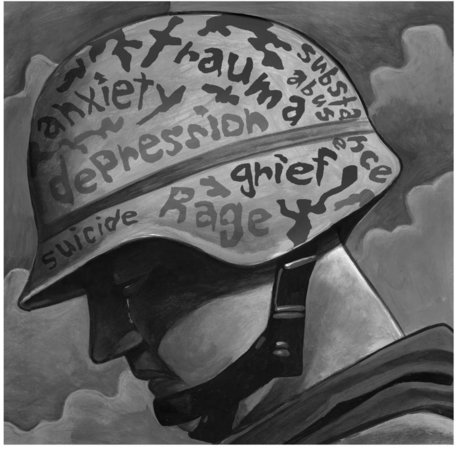
Increasing the isolation is the fact that people traumatized by war are often mislabeled as mentally ill. The “disorder” labels most often used – post-traumatic stress, major depressive, generalized anxiety, bipolar – further distance veterans from their communities. Civilians assume that they are unqualified to help, believing that only therapists have the needed tools. Nothing we propose precludes veterans from seeking help from a therapist. Anyone who is suffering deserves attention and care, and for some, that might include traditional approaches used by therapists. However, not all suffering constitutes a mental disorder, and our nation’s knee-jerk reaction to call all war trauma “mental illness” ends up hurting veterans.

Finally, psychotropic drugs often intensify the veterans’ suffering and isolation. Once labeled with a mental illness, veterans are routinely prescribed cocktails of psychiatric drugs that alter in troubling ways their emotions and cognition. Tragically, the kinds of harm the drugs can cause include precisely those that are increasing among service members and veterans: suicide, family breakdown, substance abuse, and homelessness. Many senior Defense officials have voiced their concern about the dangerous effects of these drugs.

There are many effective and nonpathologizing solutions to the epidemic problems destroying our war veterans. All of us – including the military, the VA, and mental-health professionals – must stop automatically labeling war veterans “mentally ill.” Being shaken to the core by war is a deeply human reaction. Calling it mental disorder alienates veterans from themselves and their communities and causes moral anguish. It blinds civilians to veterans’ pain and cuts civilians off from their common humanity with those who have gone to war.

There are low-risk ways that community leaders or any citizen can help veterans heal, primarily helping them create or connect, which in turn will help their communities. Unlike drugs, these do not have dangerous side effects, and they could not differ more from the isolation intensified by labeling and drugging. These options include involving veterans in mentoring, volunteering, meditation, promoting the arts, sports and recreation, nonprofit leadership, and political action, and providing them service animals for connection and comfort. The recent “A Better Welcome Home” conference at Harvard Kennedy School’s Ash Center for Democratic Governance and Innovation featured several examples. (Visit http://bit.ly/OToAwc for more information.)

Even something as simple as listening can make a difference. Veterans taking part in the Welcome Johnny and Jane Home project reported that having the chance to tell their stories was helpful and healing, according to a study conducted at the Harvard Kennedy School.

And citizens can speak up. Our military and political leadership need to hear that Americans care about our veterans and are willing to do their part to help. As our military men and women continue to return, scarred and battered, American communities must not isolate veterans. Avoid the misplaced labels of mental illness. Listen. Help veterans heal on their own terms and at their own speed. With the right community support, with deep connections, our veterans will truly come home.

David Sutherland is a retired U.S. Army colonel and director of the Center for Military and Veterans Community Services (Dixon Center)

Paula J. Caplan is a Harvard University psychologist and author of “When Johnny and Jane Come Marching Home: How All of Us Can Help Veterans”

Read the article here: http://articles.philly.com/2013-02-10/news/37022089_1_department-of-veterans-affairs-million-veterans-war

« Return to news items


Share

Drugging the Vulnerable: Atypical Antipsychotics in Children and the Elderly

Thursday, May 26th, 2011

TIME
By Maia Szalavitz
May 26, 2011

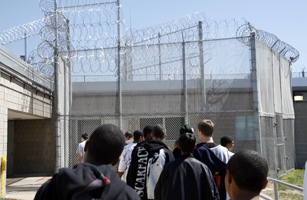
Maryland Correctional Institution, Jessup, Maryland - Marvin Joseph/The Washington Post/Getty Images

Pharmaceutical companies have recently paid out the largest legal settlements in U.S. history — including the largest criminal fines ever imposed on corporations — for illegally marketing antipsychotic drugs. The payouts totaled more than $5 billion. But the worst costs of the drugs are being borne by the most vulnerable patients: children and teens in psychiatric hospitals, foster care and juvenile prisons, as well as elderly people in nursing homes. They are medicated for conditions for which the drugs haven’t been proven safe or effective — in some cases, with death known as a known possible outcome.

The benefit for drug companies is cold profit. Antipsychotics bring in some $14 billion a year. So-called “atypical” or “second-generation” antipsychotics like Geodon, Zyprexa, Seroquel, Abilify and Risperdal rake in more money than any other class of medication on the market and, dollar for dollar, they are the biggest selling drugs in America. Although these medications are primarily approved to treat schizophrenia and bipolar disorder, which combined affect 3% of the population, in 2010 there were 56 million prescriptions filled for atypical antipsychotics.

In a presentation this week at an American Psychiatric Association meeting, Dr. John Goethe, director of the Burlingame Center for Psychiatric Research in Connecticut, reported that over the last 10 years, more than half of all children aged 5 to 12 in psychiatric hospitals were prescribed antipsychotics — and 95% of these prescriptions were for second-generation antipsychotics. Many of these children didn’t have a condition for which the drugs have been shown to be helpful: 44% of youngsters with post-traumatic stress disorder (PTSD) and 45% of children with attention deficit hyperactivity disorder (ADHD) were treated with them.

Pharmacologically, the ADHD prescriptions make no sense: FDA-approved drugs for the condition raise levels of the neurotransmitter dopamine, while antipsychotics do they opposite, lowering them.

Geothe also noted another study that showed that the number of office visits by children and teens that included antipsychotic drug prescriptions rose 600% from 1993 to 2002. “The obvious second-generation bias is very apparent in these data, as is the irrational use of antipsychotics for indications such as PTSD and ADHD for which there is no controlled evidence whatsoever that these are safe or effective treatments,” says Dr. Bruce Perry, senior fellow at the ChildTrauma Academy in Houston. (Full disclosure: Dr. Perry is my co-author on two books.)

The situation may be similar in state-run juvenile detention systems. Late last week, an exposé by the Palm Beach Post revealed that antipsychotics were among the top drugs purchased by the Florida Department of Juvenile Justice (DJJ), and were largely used in kids for reasons that were not approved by the government — for instance, sleeplessness or anxiety. The Post reported:

In 2007, for example, DJJ bought more than twice as much Seroquel as ibuprofen. Overall, in 24 months, the department bought 326,081 tablets of Seroquel, Abilify, Risperdal and other antipsychotic drugs for use in state-operated jails and homes for children.

That’s enough to hand out 446 pills a day, seven days a week, for two years in a row, to kids in jails and programs that can hold no more than 2,300 boys and girls on a given day.

Among the psychiatrists hired by the state to evaluated incarcerated kids, about a third received drug company money, the Post reported. Those 17 psychiatrists wrote 54% of the prescriptions for antipsychotics; the 35 doctors who did not take such payments wrote the rest. In other words, one-third of doctors — all of whom were paid by drug companies — wrote more than half of all antipsychotic prescriptions for the state’s locked-down youth.

The statistics on children in foster care are equally alarming. Youth in foster care are not only three times as likely to be medicated as comparable low-income youth on Medicaid, but more than half are treated with antipsychotics. It is not likely that all or even most of these children have a condition for which antipsychotics have been approved by the government to treat.

Among the problems with unnecessary use of antipsychotic medications is that they can cause serious, sometimes irreversible, damage. Atypical antipsychotics are associated with weight gain and may double users’ risk of Type 2 diabetes. Recent research also suggests that they may shrink the brain and there is little data on how they affect brain development during the teen years, when the brain grows more than at any other time but infancy. Indeed, youth are more vulnerable than any other group to the drugs’ worst side effects (excluding death).

“The majority of antipsychotic medication use in children and adolescents has not been limited to the few age groups or conditions for which there is credible evidence of efficacy and safety,” says Perry. “There is no reason to expect irrational prescribers to change their bad habits.”

He adds that many experts would argue that if doctors began prescribing antipsychotics “responsibly and cautiously” — that is, being mindful of the lack of efficacy data and the evidence of harm — the rate of prescriptions in children would drop by 90%.

Meanwhile, rates of prescriptions for patients at the other end of the lifespan are also out of control. In nursing homes, 14% of residents have been given at least one prescription for a second-generation antipsychotic, according to a government investigation. A full 88% of these prescriptions are given to people with dementia, despite the fact that these drugs may double the risk of death in these patients (there is a black box warning on the drug to this effect). The investigation estimated that $116 million Medicare dollars have been spent filling antipsychotic prescriptions that never should have been written.

So why are these drugs so widely prescribed? Aggressive drug company marketing is only one part of the story. A key reason they are overused in institutional settings is that they are sedating, making patients easier to manage. Secondly, unlike other sedative drugs, they are not associated with misuse (with the possible exception of Seroquel, which has fans among some addicts). In fact, most people resist taking antipsychotics, which is why overmedication is much more common in settings where people are locked-in and compliance can be forced.

The second point — that these drugs are not considered addictive — by itself probably accounts for a big part of why drug companies have been able to get away with so much misleading marketing and the resultant overprescribing. Although prescribing of traditional sedatives like benzodiazepines (Valium, Xanax), which are vulnerable to misuse, is limited by their status as controlled substances, few people enjoy misusing antipsychotics (side effects like weight gain, pleasurelessness, movement disorders and low energy and motivation are not generally sought by recreational drug users), so they can be prescribed for unapproved uses like behavior control and sleep-inducement in children and the elderly.

In other words, addiction is basically seen as a worse side effect than death. The fact that the most vulnerable youth and elderly often cannot advocate for themselves has made it easier to sweep the problem under the rug.

Fortunately, there is at least one bright spot in this depressing picture. The main patent on Risperdal expired in 2007, and those for Zyprexa and Seroquel expire this year. Geodon’s patent expires next year, while Abilify’s comes up in 2015. When most drugs go off-patent, drug companies’ marketing pressure — and profits — will subside, perhaps keeping children and the elderly safer from inappropriate medication.

Read article here:  http://healthland.time.com/2011/05/26/why-children-and-the-elderly-are-so-drugged-up-on-antipsychotics/

« Return to news items


Share