Posts Tagged ‘Brave New World’

Are you shy? Then you have a mental disorder

Thursday, September 8th, 2011

The mad claim that 165 million Europeans suffer from ‘mental illness’ confirms that normal emotional states are now seen as diseases.

Spiked – September 8, 2011

by Tim Black

‘Mental health disorders are Europe’s largest healthcare challenge in the twenty-first century’, announced Hans-Ulrich Wittchen this week.

A professor of psychology and psychotherapy at the University of Dresden, Wittchen wasn’t saying anything we haven’t heard before. The World Health Organisation has also gleefully predicted that by 2020, ‘depression will be the second leading contributor to the burden of disease’. Still, the magnitude of Wittchen’s Europe-wide diagnosis is more than a little shocking: 38 per cent of Europeans, he said, are suffering from a mental disorder. That’s about 165million people.

Wittchen arrived at these shocking results, published in Neuropsychopharmacology, after a three-year-long review of data from previous studies involving over 500 million people in 30 European countries. Therein he discovered that nearly 40 per cent of those 500million were suffering from one of nearly a hundred mental or neurological problems, the most common of which were anxiety disorders, insomnia, depression, alcohol and drug dependence, and dementia.

‘Although the figure [of 165million] seems shockingly high, this is the most rigorous study done in Europe’, saidGraham Thornicroft, a professor of community psychiatry at the Institute of Psychiatry at King’s College London.

There is a great deal of scepticism towards Wittchen’s results and what they mean. And no wonder. Even in these overly medicalised times, where feeling well is increasingly confused with awaiting diagnosis, the idea that well over a third of Europe is suffering from a mental disorder just doesn’t tally with our actual lived experience. After all, does it not seem absurd to think that one in every three Europeans is mentally ill?

In fact, what Wittchen’s findings really indicate is the expansion of the diagnostic categories of mental illness, not the expansion of mental illness itself. Writing in the Guardian on Wednesday, Lisa Appignanesi rightly drew attention to the ever-expanding girth of the so-called bible of the psychiatric profession, the Diagnostic and Statistical Manual of Mental Disorders (DSM).

When it was first published in 1952 it contained a then unprecedented 60 diagnostic categories for mental illness. And subsequent editions have expanded its diagnostic reach even into everyday, mundane behaviour. By 1994, the fourth (and current edition) recognised a total of 384 mental ailments (plus 28 ‘floating diagnoses’). And if the preliminary revisions are any indication, the fifth edition, due in 2013, looks set to supply psychiatric practitioners with yet more labels for disorders and illnesses we didn’t even know we had.

As many have observed before, absurdity abounds in the psychiatric worldview. The most banal of everyday behaviours, emotional states that I’d wager almost everyone has encountered at some point in their lives, have been given technical, medical-sounding names. So shyness becomes ‘avoidant personality disorder’; anger becomes ‘intermittent explosive disorder’; and if the experts get their way, not throwing stuff away will become ‘hoarding disorder’. In an incredible bit of insightless prose, we are told by DSM’s recent consultation document that, ‘The symptoms [of hoarding disorder] result in the accumulation of a large number of possessions that fill up and clutter active living areas of the home or workplace to the extent that their intended use is no longer possible’.

While it is easy to make fun of the silliness of the psychiatric industry for giving our most banal behaviours a jargonised sheen, there is a serious point here, too. When everyday subjective states, such as shyness or distractedness, are turned into clinical objects, they become ripe for external, clinical intervention. We cease to be capable of overcoming a bout of anxiety, perhaps brought about by job worries; instead we are encouraged to see ourselves as in need of professional, expert help. And any practical problems at the root of, say, ‘depression’ or ‘anxiety’ – like unemployment or marital problems, for instance – are transformed into mental problems in need of psychiatric solutions. Wittchen’s assertion that the ‘immense treatment gap
 for mental disorders has to be closed’ is therefore charged with ominous Brave New World intent. Europe is a continent of therapeutic supplicants in the making.

Read the rest of the article here:  http://www.spiked-online.com/index.php/site/article/11060/

« Return to news items


Share

Psychiatrist Patrick McGorry Ticked Off CCHR’s Busted Him Over Bogus “Early Intervention” Claims

Thursday, April 21st, 2011

Psychiatrist Patrick McGorry promotes a highly dangerous and outrageous agenda of pre-diagnosing youth as mentally ill "before" they develop it...

Seroxat Sufferers – April 21, 2011

by Bobby Fiddaman

I had to laugh at the article from the Herald written last August.

It would appear that Australian psychiatrist Patrick McGorry [originally an Irish born lad] doesn’t like it when he is brought to task regarding his early intervention claims [He can predict if a child can get a mental disorder in later years you know]

The article,  written by Brigid O’Connell, lays claim that McGorry has become the target by the Church of Scientology after he and other psychiatrists spoke out against them.

I think you will find that it’s the other way around.

The Citizens Commission on Human Rights [CCHR] have, for a long time, been on McGorry’s back. Where McGorry gets confused [bless him] is that CCHR is not the Church of Scientology. Okay, CCHR was founded by the Church [and actually also a psychiatrist Thomas Szasz, who no doubt wouldn't agree with your "early intervention" drugging kids fad either] but they are funded by Tom, Dick and Harry…that is, by anyone concerned enough about human rights.

CCHR have requested documents under the Freedom of Information Act. Documents that may or may not show McGorry’s links to the pharmaceutical industry. We are not talking about a free dinner here, we are talking millions of Aussie dollars.

You see, McGorry has devised a program whereby it could be…um…guessed through early intervention if children would develop a mental disorder in later years. Your modern day DeLorean time machine if you will.

One would imagine that such a test would involve some sort of brain scanning machine or maybe a series of blood tests. Nope… just form filling or rather box-ticking. That’s all the info the early intervention program needs to diagnose [stigmatise] a child…or rather “predict” if a child will fall foul to a mental disorder. Hey, and McGorry and friends know exactly how to treat this invisible futuristic illness too.

I find it odd that McGorry would cry victim, even more so that he would claim to be the target of “harassment.” Would he do the same if Joe Bloggs requested information under the Freedom of Information Act or is he just pissed at CCHR? If the Catholic Church were to request such documents would McGorry & Co scream that they were being victimised?

For the record Paddy [McGorry], I’m not a great fan of yours either. I’d also like to see if you are funded by the industry and would ideally love to take a ride in your Delorean to predict now if I will get an ingrowing toenail when I’m 55. “Please Massa, show me the boxes to tick. I promise to be a gooooood patient”

Oh, I’m not a Scientologist either but have won two human rights awards from CCHR. Geez, they must have “brainwashed” me [which, by the way Paddy, only your drugs can do]…can your early intervention program undo what they have done to my brain? Can you give me some drugs please Paddy?

Come on Paddy, be a good little psychiatrist and show the world that you have nothing to hide…unless of course you have something to hide? Show the Aussie government the $3.5 billion “investment” plan for its kids you want to rip off the taxpayers isn’t gonna be used to put them on antipsychotics that those drug companies which probably fund you are going to benefit from. Is this really why you feel harassed – you may not get your booty?

The only way people can seek the truth is by going through proper channels, namely by using the Freedom of Information Act. That’s their given right, Paddy! Everyone has a right to use this tool be they Scientologists, a human rights movement, someone who claims to be from the planet Zog or someone who has delusions that Shania Twain will one day mattress dance with them.

Oh by the way, I walk under ladders as I’m not very superstitious – if I were to avoid walking under ladders I’m sure your profession would label me with some disorder, have me drugged to the eyeballs, restrained and injected with experimental drugs. Maybe you can tell me if I will walk under ladders in future years?

Face it, your crystal ball is no more effective than a fortune teller at the end of a seaside pier. At least she has the signs outside telling customers that she is paid for her crystal ball gazing.

It never ceases to amaze me that when psychiatrists are backed into a corner they scream victim. When their patients are backed into a corner, restrained, injected and/or force-fed psychiatric drugs they have no choice but to take it on the chin.

Your Delorean needs a new flux capacitator Paddy. CCHR are coming to getcha…and there are many who support their work.

Bob Fiddaman
Shania Twain fan.

http://fiddaman.blogspot.com/2011/04/psychiatrist-patrick-mcgorry-slams-his.html

Read more about Patrick McGorry here: Prison Planet -Pharma Backed Australian of the Year Psychiatrist Wants Millions in Government Funding for Brave New World of Pre-Drugging Kids

http://www.prisonplanet.com/pharma-backed-australian-of-the-year-psychiatrist-wants-millions-in-government-funding-for-brave-new-world-of-%E2%80%9Cpre-drugging%E2%80%9D-kids.html

« Return to news items


Share

“Just another prick in the wall” — Psychiatry’s Quest for Dominance and Control

Monday, October 4th, 2010

Psychiatry’s quest for total dominance and control


By Dominik Ritter, Psychologist
October 4, 2010

When thinking about psychiatry I find it hard to escape the comparison with the work carried out at assembly lines of large manufacturing companies and the process involved when faulty products are called back for inspection and repair. All mass produced goods are meant to basically look and function in the same way. The same can be said about the people in a state that promotes the idea of a moral code of conduct (e.g. Diagnostic and Statistical Manual of Mental Disorders, DSM). Through socialization and education we learn about what behaviours are appropriate and how one should feel and think about things. If individuals are judged to be “damaged” or “just not right”, they are sent away to be properly assessed and corrected. A whole army of “Quickfitters” is there to sort you out when you seem to have broken down and not function properly anymore, even if you don’t want that (well, actually, especially then).

It all seems to be about the intolerance of diversity and difference and the quest for total dominance and control, which results in the persecution and punishment of those individuals who step out of line as they are deemed to be out of order and in urgent need of corrective measures. The faultiness, that one is accused of, really boils down to a lack of conformity and obedience, i.e. behaving, thinking and feeling as directed by those who think they know best (e.g. mental health professionals).

Now, doesn’t that all sound strangely familiar? It is frighteningly similar to Huxley’s “Brave New World” (1932). Huxley’s world is built upon the principles of Henry Ford’s assembly line, i.e. mass production, homogeneity, predictability, and consumption of disposable consumer goods. From the beginning of life, members of every class are indoctrinated by recorded voices repeating slogans while they sleep to believe that their own class is best for them. Any residual unhappiness is resolved by an antidepressant and hallucinogenic drug called soma.

So what happens once you find yourself in the (dis-)comfort of a so called “mental hospital”? To understand this one first needs to call these facilities by their appropriate names. Correctional facilities or conversion centres are probably the most adequate terms to be applied to these institutions. The main task of these facilities is to stop you misbehaving and to start acting according to their rules. Resistance and protest, which is very understandable in situations when your liberty is taken away from you and you are being forced to comply and conform, is quickly regarded as just another expression of the seriousness of your faultiness and thus requires more intensive treatment (i.e. more force and violence).

It is true that psychiatric interventions (e.g. pharmacological, electroconvulsive, and conversational treatments) are often successful. But what does that actually mean? In psychiatric terms this means that one has managed to reduce (in terms of frequency and/or intensity) or remove particular symptoms (i.e. a bunch of undesirable behaviours). This could be because he/she simply does not want to be a mental patient any longer and just plays along according to the psychiatric rules. This can of course mean that one is denying one’s own thoughts, feelings, values, and aspirations, in order to please one’s masters, captors and owners. Alternatively, he/she might actually believe that psychiatric interventions are an effective way of combating what he he/she believes to be a psychological problem. Beliefs are important here, just as in the religious sphere of theological interventions such as confessions (being repentant, paying penance and being ultimately forgiven for one’s sins). However, just like in the case of religion, having undergone successful theological treatment does not prove that one has been possessed by a demon (or that one’s behaviour has been caused by some sort of mental illness) or that one would otherwise have been condemned to go to hell (or destined to suffer from a lifelong mental illness). So what is it that has ultimately been treated or cured? I would argue that one has abolished misbehaviour, and replaced it with compliance and obedience. One has simply been successfully shut up (both literally and metaphorically).

Man’s hunger for power seems insatiable. Many pursuits of mankind (e.g. religion, politics, science, etc.) have been attempts to control and dominate, and they remain locked in a constant battle with each other over maximising their influence and power. Science, for example, has always followed its agenda to control and dominate nature (e.g. natural resources, diseases, etc.), something that in modern history has been expanded to include other human beings, as they are simply regarded as byproducts of nature. Psychiatrists, who arguably represent the discipline of medicine, have for hundred of years argued that social problems are caused by mental illness, and maintained that they should be given sole power to cure the diseased minds. This has resulted in psychiatry having successfully created a monopoly for the assessment and response to all sorts of human affairs. It has grown to an immensely powerful institution (only rivalled by totalitarian systems) of being able to define what constitutes “mental illness” (legislative power), judge what kinds of behaviours, thoughts and feelings signify “mental illness” (judiciary power), and punish those who are judged to be “mentally ill” by means of enforced incarceration, drugging, shocking, and moral therapy (executive power).

Rather than having to think about having to make the effort of time-consuming, large scale and wide ranging changes within society, the idea that there is simply something wrong with a bunch of individuals and that everything is going to be alright once their heads have been sorted out,  seems  comforting and appealing. Any form of dissent, disobedience  or non-conformity in relation to the predominant mental health ideology quickly becomes labelled as a form of mental illness. Let’s take the example of one of the most widespread psychiatric diagnoses amongst children and adolescents in the world, i.e. ADHD (Attention Deficit Hyperactivity Disorder). I argue that this psychiatric diagnosis pathologises childhood behaviour of not paying attention, having a lot of energy, and not wanting to sit still for hours on end. What these children might be guilty of are the “crimes” of striving for independence and autonomy, questioning the usefulness of the curriculum, their assignments and homework, and challenging the arbitrariness of authority of being told what they should do and what they shouldn’t do. As a society we seem to have very rigid ideas of what we expect from each other, often to an extent that can only be described as questionable in terms of purpose, stifling and hindering any kind of progress. In short, it maintains the status quo, the way things have always been. But who benefits from all this? I would argue that it ultimately serves an elite class in society that holds the power to make decisions, such as the decision to punish children who misbehave according to their standards, by calling them names, drugging them, or imposing some form of moral therapy (e.g. correct ways of behaving, thinking and feeling). As already stated above, the psychiatric ideology provides an easy explanation and an easy solution. We are spared the inconvenience of having to venture down a different avenue, to explore a path off the beaten track. Psychiatry leads the way and we follow like stupid cattle. When we focus on something like “ADHD” we no longer think about more important issues such as the usefulness of the current national curriculum (e.g. what we think is important to teach our children; whether our education system is educating at all), classroom sizes, grading systems, the promotion of competitiveness at the expense of collaboration, lack of teaching resources, inadequate teacher training, staff turnover, etc.

What I have said about ADHD, can be applied to all so called psychiatric disorders, e.g. depression, autism, schizophrenia, personality disorder, etc. What all these psychiatric labels have in common is that they are applied when psychiatrists are of the opinion that there has been some form of misconduct, i.e. a transgression of a moral code. Throughout history and across cultures societies have always provided their own codes of conduct and guidelines of how one should behave and how to respond to people who broke the rules. The point I would like to make here, though, is that we are talking about morality (i.e. good and bad) here and not about science as psychiatry would have it. While one can argue that in the natural sciences things are being discovered (e.g. electricity, magnetism, etc.) the same cannot be said in the case of psychiatry. Here things are not discovered but simply defined. If mental illnesses were real illnesses (such as that of the brain) and not simply metaphors they would be called brain illnesses. Psychiatry, however, is not about what you have (a disease of the liver or heart that can be objectively measured) but about what you do. Various behaviours are simply clustered into symptom groups and given scientific sounding names. So, for example, if you are shy and do not enjoy going to parties you can easily be classified as suffering from an anxiety disorder called social anxiety disorder. One can easily create one’s own scientific sounding labels by arguing that certain behaviour patterns signify the existence of some underlying psychopathology. For example, one could label people who do not like to eat meat or use any kind of animal products as suffering from some kind of deep rooted animal anxiety. Likewise, one could come up with a similarly ludicrous idea of declaring people who happen to like to stand on their head while singing the national anthem as suffering from some kind of subversive personality disorder. The point here is that one simply does not discover underlying mental illnesses but simply attempts to arbitrarily categorise behaviours into groups and give them names. A real important issue here is that of name giving, that is to define things, which when done by a more powerful group (e.g. priests, doctors, academics, and politicians) and applied to a less powerful group (e.g. believers, ordinary citizens, patients, and students) is always problematic.

A final concern I have is the general view of people that is promoted by the therapeutic industry. It is argued that many people are simply too sick, unwell, disordered or distressed and therefore unable to help themselves. It creates an image of people in today’s society as vulnerable, weak and incompetent emotional wrecks who are in desperate need of some sort of help from the therapeutic state. This image of people being too stupid to sort out their own personal affairs gets repeated over and over again so that it becomes  deeply ingrained into our minds. Surely, the therapeutic apparatus is only one of many other sectors (e.g. litigation, education, child rearing, politics, etc.) that have continued to rob people of their experience, competence, right, duty and responsibility to deal with every day life and sort out their own difficulties. This continued professionalisation of everyday life has condemned people to passivity, indifference, and ignorance. It is no longer up to the general public to manage their own lives. It is up to the technocrats to do that for them, which according to this elitist class is in their very best interest.

Dominik Ritter is a psychologist, writer,  lecturer, social critic, and founder of the Blue Panthers Party, a critical psychiatry group.

Employers

RETURN TO BLOGS PAGE


Share

Australian Psychiatrist Patrick McGorry Wants His Pre-Drugging Agenda to Go Global

Wednesday, June 16th, 2010


“Australia is a place that can actually change the world in mental health, provided we get the right government support to do so.” — Patrick McGorry

By CCHR International
June 16, 2010

A Public Service Announcement on Australian TV features Australian of the Year, psychiatrist  Patrick McGorry,  claiming that nearly half the population will experience mental ill-health during their lifetime. Considering that after World War II, psychiatrists claimed that one in 20 people had a mental disorder, and now it’s every second one of us, that’s a damning 1000 percent failure rate for psychiatrists in reducing “mental illness.” Let’s get real; the reason psychiatrists claim more people are mentally ill is because they can keep  inventing new ways to label them mentally ill—but the press and governments are  starting to catch on, evidenced by all the controversy surrounding psychiatry’s upcoming edition of their Diagnostic and Statistical Manual of Mental Disorders (DSM)—better known as psychiatry’s billing bible. Yet of all the proposed “mental disorders” ranging from overeating to kids throwing tantrums, no proposed model of mental disorder is more  insidious and dangerous than that of Patrick McGorry, who promotes diagnosing people before they develop a so-called mental disorder—drugging them before they become “mentally ill.” Yet the Australian government has bought into it hook, line and sinker—despite the fact McGorry’s plan is so outrageous, even his peers, such as psychiatrist Allen Frances, former Chair of the DSM task force, have called it ”the most ill-conceived and potentially harmful.”

Make no mistake, the pre-drugging agenda is Patrick McGorry’s baby—his dream for a new paradigm in mental health, one that has the power to diagnose and drug people before they become mentally ill—welcome to the Brave New World of Patrick McGorry. And he isn’t stopping with Australia; his plan is to go global. As he recently stated, “Australia is a place that can actually change the world in mental health, provided we get the right government support to do so.”[1]

The fact that McGorry’s agenda is so controversial—it even has other psychiatrists protesting it—has not deterred the Australian government from funding this “ill-conceived” plan. A recent letter to Citizens Commission on Human Rights states, “The Australian Government is providing $25.5 million over four years from 2010-2011 to expand Early Psychosis Prevention and Intervention Centre (EPPIC) model,” developed by McGorry who founded EPPIC and the Orygen Youth Health in Victoria, Australia.

The Australian Government has already been criticized for massive expenditure on psychotropic drugs increasing more than 660 percent during the last decade—with a whopping 3,100 percent increase on antipsychotic drugs (with at least 15 Australian deaths in the under 19 year olds as a tragic consequence of this).  This can only get worse when under McGorry’s plan, with an enormous client base that can be prescribed drugs despite the fact they are not yet  “mentally ill.” It’s called prodrome (prodromos meaning the forerunner of an event)—referring to “a period of prepsychotic disturbance” that may or may not develop into psychosis or “schizophrenia”[2]—in other words, the crystal ball theory.

Australia Meets the US in Pre-Drug Scam

McGorry’s plan for Australia to “lead the change” in world mental health is happening—to the detriment of those who may be forced to undergo drug treatment based on a psychiatrist’s hunch that they might, one day, become ill. In the U.S., on May 13, 2009, the Department of Health and Human Services convened a Technical Expert Panel (TEP) discussed “emerging evidence around psychopharmacological interventions for first episode schizophrenia” citing the research efforts of McGorry and others.[3]

The push for pre-diagnosing and pre-drugging has even those within the psychiatric profession calling foul; Dr. Richard Warner, professor of psychiatry at the University of Colorado, counters the idea that science drives McGorry’s pre-disorder assessment, stating, “Given the expected number of false positives, the potential for harm is significant.”[4]

However, as Anthony Pelosi, honorary professor, Department of Psychiatry, Hairmyres Hospital, wrote in a counter to McGorry in the British Medical Journal last year, “this has not stopped their skillful lobbying of politicians, journalists, patients, and carers with upbeat messages about the prevention.”

“Skillful lobbying” is right.

In 2006 McGorry and other researchers, including psychiatrist Michael Berk, Karen Hallam, Craig McNeil, Linda Kaler and psychologist Melissa Hasty reported in the Medical Journal of Australia, “Evidence increasingly indicates that earlier identification may allow for appropriate pharmacological and psychosocial treatments
.”[5]

Could they have a Pharma incentive behind this agenda? Berk is financially linked to AstraZeneca, Bristol-Myers Squibb, Eli Lilly, GlaxoSmithKline, Janssen-Cilag, Lundbeck, Organon, Novartis, Mayne Pharma, Servier, Sanofi-Synthelabo, Solvay, and Wyeth and Pfizer.[6] Hallam disclosed received speaker fees from Janssen-Cilag; McNeil received consultancy fees, speaker fees and travel assistance from Eli Lilly, Janssen-Cilag and Sanofi-Aventis; and Hasty and Linda received financial assistance to attend conferences from or Janssen-Cilag, maker of the antipsychotic Risperdal (resperidone).[7]

McGorry has received grant support from Eli Lilly, Janssen-Cilag, Bristol Myers Squibb, Astra-Zeneca, Pfizer, and Novartis.[8] He is a paid consultant for, and has received speaker’s fees from all or most of these companies.[9] Studies published in the British Medical Journal in 2005 and 2008 declared McGorry’s “early intervention studies have received partial support in the form of investigator-initiated unrestricted research grants from Janssen-Cilag.”[10]

The U.S. has already begun adopting the “early intervention” fad, which looks more like a trade in children’s lives and a business opportunity for increased pharmaceutical sales. In March 2010, the Department of Health & Human Services Substance Abuse & Mental Health Service Administration Center for Mental Health Services announced $16.5 million in funding for “Mental Health Transformation Grants,” including the “Early Detection and Intervention for the Prevention of Psychosis Program (EDIPPP).”[11]

EDIPP is the American sister of McGorry’s EPPIC.  It was originally bankrolled by a $14.4 million grant from the Robert Wood Johnson Foundation. According to investigative journalist Evelyn Pringle, “The founder of RWJF, Robert Wood Johnson, was chairman of Johnson & Johnson for over 30 years, from 1932 to 1963, as a member of the drug maker’s founding family. Throughout the years, the majority of the Foundation’s money has come from investments in J&J stock.”

In an article in Behavioral Healthcare, in 2008, the Mid-Valley Behavioral Care Network (MVBCN), an intergovernmental Medicaid government insurance-managed healthcare organization situated in Oregon, was recommended to study EPPIC used at Orygen and EDIPPP.

Based on EDIPP and EPPIC, the MVBCN developed the Early Assessment and Support Team (EAST) in 2001.  In 2003, the Oregon state legislature allocated $4.3 million to disseminate early psychosis intervention statewide.  By March the following year, new programs had begun in 12 counties.[12]

EDIPPP also replicates the “Portland Identification and Early Referral,” or “PIER,” a treatment research program at the Main Medical Center, in Portland, Maine.[13] People typically are referred to PIER by high school guidance counselors, pediatricians, or other clinicians who attended presentations about PIER’s work, says Pringle. “Virtually every person entering the PIER program is prescribed antipsychotics, such as Risperdal or Invega, marketed by Johnson & Johnson,” she added.

Both PIER and EDIPPP are promoted in McGorry’s 2002 book, Implementing Early Intervention in Psychosis: A Guide to Establishing Early Psychosis Services.”[14] The book’s foreword is written by Dr. Jeffrey Lieberman, Professor of Psychiatry, Chairman Department of Psychiatry, Columbia University College of Physicians and Surgeons.[15] Lieberman has taken consulting fees and research grant support from AstraZeneca, Bristol-Myers Squibb, Upjohn Pharmacia, Novartis, Eli Lilly, Janssen, Pfizer, Hoechst AG, & AstraZeneca. He’s on the Speakers Bureaus for Astra Zeneca, Janssen, Eli Lilly and Pfizer.[16]

Lieberman is also the Vice President (North America) of the McGorry instigated group International Early Psychosis Association (IEPA), which was officially incorporated in Victoria in 1998.[17] McGorry is currently Treasurer of the Association.[18] Lieberman is a member of the psychiatric-pharmaceutical company front groups, National Alliance for the Mentally Ill (NAMI) and National Alliance for Research on Schizophrenia and Depression (NARSAD).

Between 1999 and 2003 IEPA received unrestricted education grants from Janssen-Cilag and AstraZeneca.[19] EIPA’s conferences are supported by Janssen-Cilag, AstraZeneca, Eli Lilly, and Bristol-Myers Squibb.[20]

The IEPA lists the “who’s who” of Pre-Psychosis Risk Syndrome (the official label given pre-psychotic symptoms) and many of its board or members disclose manufacturers of antipsychotics as companies they’ve received financing from.

On July 29-30, the First international Youth Mental Health Conference is being held in Melbourne, with keynote speakers, including McGorry. The conference is described by one advocate as an “important and innovative event, attracting the best in the business/industry to discuss the emerging issues of youth mental health.”[21]

It couldn’t have been more adequately stated: business and industry. Herein you see McGorry’s pitch again that Australia is a global leader in this latest psychiatric fad. His invitation online states, “This is an important event for Australia and the mental health field. We expect this to be the first of many similar conferences, bringing together innovators, practitioners, researchers, young people and families to showcase the best of youth mental health innovation from around the globe.”[22] [Emphasis added]

There’s no doubt that this conference, like his Australian award, will be used to demand more funding to increase the business stakes and drive more income into psychiatry’s pre-drugging efforts.  Despite the government already allocating $103 million to McGorry, including the $25 million to further research EPPIC, he continues to call for another $800 million in funding for programs for youth mental health over the next four years.[23]

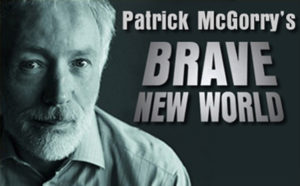
McGorry recently stated, “You have to be able to give something of yourself to people, if you are going to help them.”[24] McGorry’s brand of “helping” entails stigmatizing children with psychiatric labels that have no basis in science or medicine and then drugging them. That does not qualify as “help.” It’s betrayal. If this agenda to pre-diagnose, and pre-drug is allowed to take hold, we will truly have entered a Brave New World; Patrick McGorry’s.


[1] http://sydney.edu.au/medicine/museum/mwmuseum/index.php/McGorry,_Patrick

[2] http://www.mentalhealth.com/mag1/scz/sb-prod.html

[3] U.S. Department of Health and Human Services, “ASPE Technical Expert Panel on Earlier Intervention for Serious Mental Illness: Summary of Major Themes,” The Lewin Group, 13 May, 2009.

[4] Richard Warner, MB, DPM, is director of Colorado Recovery in Boulder, Colorado, and professor of psychiatry at the University of Colorado, “Early intervention in psychosis: Future or fad?” Centre for Addiction and Mental Health website, http://www.camh.net/Publications/Cross_Currents/Winter_2007-08/futureorfad_crcuwinter0708.html.

[5] http://www.mja.com.au/public/issues/187_07_011007/ber10341_fm.pdf

[6] http://www.mja.com.au/public/issues/187_07_011007/ber10341_fm.pdf

[7] http://www.mja.com.au/public/issues/187_07_011007/ber10341_fm.pdf

[8] http://www.mhanet.ca/documents/2008/Research-Colloquium/0920%20-%20Keynote%20MCGORRY.pdf

[9] http://www.bmj.com/cgi/content/full/337/aug04_1/a695

[10] http://bjp.rcpsych.org/cgi/content/full/187/48/s108; http://www.bmj.com/cgi/content/full/337/aug04_1/a695

[11] http://www.opednews.com/articles/Tracking-the-American-Epid-by-Evelyn-Pringle-100602-668.html

[12] http://www.behavioral.net/ME2/dirmod.asp?sid=9B6FFC446FF7486981EA3C0C3CCE4943&nm=Archives&type=Publishing&mod=Publications%3A%3AArticle&mid=64D490AC6A7D4FE1AEB453627F1A4A32&id=BFCD36BFD75E447CA63F662A633F41FB&tier=4

[13] http://www.opednews.com/articles/Tracking-the-American-Epid-by-Evelyn-Pringle-100602-668.html

[14] http://books.google.com.au/books?id=lyLfMPsnvJ0C&pg=PA136&lpg=PA136&dq=Portland+Identification+and+Early+Referral+McGorry&source=bl&ots=lEp9tdT8ZV&sig=_zlnHeFk8oqxTHSjbvLf0XQmlY4&hl=en&ei=lP0RTKThLMWPcMnSzNAH&sa=X&oi=book_result&ct=result&resnum=1&ved=0CBQQ6AEwAA#v=onepage&q&f=false

[15] http://69.5.18.33/ahrp/cms/index2.php?option=com_content&do_pdf=1&id=345

[16] http://69.5.18.33/ahrp/cms/index2.php?option=com_content&do_pdf=1&id=345

[17] http://www.iepa.org.au/ContentPage.aspx?pageID=10

[18] http://www.headspace.org.au/about/headspace-board/

[19] http://www.iepa.org.au/ContentPage.aspx?pageID=59

[20] http://www.iepa.org.au/ContentPage.aspx?pageID=59

[21] http://www.iymhconference.com.au/why-attend/

[22] http://www.iymhconference.com.au/

[23] Mental Health Update, GetUp! Action for Australia, 21 Apr. 2010, http://www.getup.org.au/blogs/view.php?id=1936&dc=1086,21560,1

[24] http://sydney.edu.au/medicine/museum/mwmuseum/index.php/McGorry,_Patrick

RETURN TO BLOGS PAGE


Share

Meet the Psychiatrist Pushing For A Brave New World of Pre-Drugging Kids—Patrick McGorry

Friday, May 21st, 2010

By CCHR International
May 21, 2010

One of the most controversial proposed disorders for the upcoming revision of psychiatry’s billing bible of mental disorders, (the DSM-5) is Psychosis Risk Syndrome (PRS) a “mental disorder” that, if voted into DSM, would confirm the allegations that psychiatry is manufacturing a Brave New World for itself—heavily backed by Big Pharma—of drugging children before they develop a “mental illness.” Already criticized for the millions of children being needlessly drugged and the lack of scientific criteria to substantiate any mental diagnosis as a legitimate medical condition, some psychiatrists now want the power to pull out their crystal ball and predict the onset of a psychosis and drug it before it has even occurred. And perhaps the strongest proponent is Australian psychiatrist Patrick McGorry.

Even psychiatrist Allen Frances, former chairman of the previous DSM task force expressed alarm over the proposed diagnosis and its repercussions should it be legitimized, stating, PRS “stands out as the most ill-conceived and potentially harmful.” The Syndrome fails badly on all 3 counts, he says:

“1. It would misidentify many teenagers who are not really at risk for psychosis;

2. The treatment they would most often receive (atypical antipsychotic medication) has no proven efficacy; but,

3. It does have definite dangerous complications.”

Frances adds: “Drug company marketing would influence parents and clinicians to be especially alert to any strangeness in teenagers.” False positives could be as high as 70-90 percent.[i] This can only lead to greater numbers of children and adolescents being harmfully drugged—already one of the major criticisms against psychiatry and a point of contention among many psychiatrists today.

Australian psychiatrist Patrick McGorry, speaking at the APA convention in New Orleans, as a cheerleader for “early intervention” (i.e. pre-drugging) is undeterred. Despite the unpredictability and risk of the drugs prescribed to treat PRS, McGorry wants to go full steam ahead, increasing the number of children being placed on extremely dangerous and even lethal drugs. It should come as no surprise that McGorry is a paid consultant for, and has received speaker’s fees from AstraZenecca, Janssen-Cilag, Eli Lilly, Novartis, Sanofi, Bristol Myers Squibb and Pfizer.[ii]

The theory of PRS wasn’t McGorry’s. He credits Dr. Ewen Cameron, the Canadian psychiatrist who became infamous in the 1980s after it was revealed he had performed cruel and brain-damaging experiments on his patients in the 1950s and 1960s with funding from the CIA.[iii] However, McGorry tested it in a world-first trial. Another study he conducted in 2002 was funded with an unrestricted grant from Janssen-Cilag and supported by pharmaceutical company-funded groups NARSAD and the Stanley Foundation, as well as several Australian agencies. McGorry and colleagues predictably found that risperidone (Risperdal)—made by Janssen—reduced the risk of “transition to psychosis” in young people.[iv] Risperdal has been linked to Type 2 diabetes.

  • In Australia, McGorry’s Early Psychosis Prevention and Intervention Center’s (EPPIC) preventive treatment center for young people, PACE, receives drug company funding from Janssen-Cilag. Much of the policy development embodied in the Australian Clinical Guidelines has come out of EPPIC research programs. As Richard Gosden, Ph.D., a highly respected Australian author and academic stated: “This may have paid off handsomely for the company…. It may not be coincidental that a half page of the Clinical Guidelines is dedicated to dosage recommendations for using risperidone in first-episode psychosis. The Clinical Guidelines do not extend these dosage recommendations to include other schizophrenia drugs and the recommendations for risperidone give the appearance of an official endorsement of the drug.” [v]

McGorry’s theory has psychiatry’s skeptics and even psychiatrists aghast:

  • One respected American research group equated the practice of pre-drugging children to “performing mastectomies on women who are at risk of—but do not have—breast cancer.” [vi]
  • Honorary Professor Anthony Pelosi from the Department of Psychiatry, Hairmyres Hospital, East Kilbride, stated, “So far, evidence from randomized trials does not support the use of psychological therapies or drugs as preventive interventions.”[vii] Further, “After teachers, college counselors, and families were encouraged to refer young people with possibly prodromal [early] symptoms directly to the same clinic for the same care plans
almost 90% were receiving unnecessary ‘preventive’ interventions.” [viii]
  • Fellow Australian psychiatrist Niall McLaren says the diagnostic criteria for PRS “has no scientific validity whatsoever
it can never be reliable and
will have huge unforeseen consequences.” Essentially, it means “putting large numbers of teenagers and young adults under the long-term supervision and control of psychiatrists” and that “supervision” includes the “aggressive, indefinite prescription of antipsychotic drugs.” It is the “clearest example I know of pseudoscience.  Not since [lobotomies] has psychiatry stumbled so far from the principle of Primum, non nocere. First, do no harm.” [ix]
  • Dr. Richard Warner, professor of psychiatry at the University of Colorado, counters the idea that science drives McGorry’s pre-disorder assessment, stating that the screening instrument he uses “is not that accurate in routine use.” Further, “McGorry speculates that a variety of interventions may be effective in preventing schizophrenia in high-risk cases…. Given the expected number of false positives, the potential for harm is significant,” stated Dr. Warner. [x]
  • Dr. Jerald Block, a US psychiatrist writing in Bioethics Forum, reported that “preventive pharmacology” (which McGorry, et al. practice) is “ethically questionable territory” because the treatments given “frequently have side effects and complications” and “you are potentially harming people.” The symptoms used to identify them as at risk of schizophrenia are “also remarkably common
adolescence is a period of life that is normally marked by tumultuous changes in personality.” [xi]
  • Melissa Raven, psychiatric epidemiologist and policy analyst, adjunct lecturer in Public Health at Flinders University, South Australia, and David Webb, board member of the World Network of Users and Survivors of Psychiatry and working with the research/policy office with the Australia Federation of Disability Organizations, were published last month, writing: “McGorry’s campaign is part of a wider push to promote the medicalization of mental health (for which psychosocial wellbeing is a better term).” “Further doubts must be raised about McGorry’s agenda when you see the substantial funding his organization (Orygen Youth Health) receives from the pharmaceutical industry and also from the US Stanley Foundation, which is notorious for its particularly aggressive approach to the detention and mandatory treatment of people labeled with psychiatric disorders.” He has “personally received funding from many manufacturers of antipsychotics, frequently reports no conflicts of interest, particularly in his many recent Medical Journal of Australia articles, including a supplement on early intervention that repeatedly advocates the use of antipsychotics.” [xii]

Psychosis Risk Syndrome is nothing more than psychiatrists with conflicts of interest drumming up more business at the risk of teenage lives, while increasing the profits for the pharmaceutical industry they serve.


[i] Allen Frances, M.D., “DSM5 ‘Psychosis Risk Syndrome’–Far Too Risky,” Psychology Today, http://www.psychologytoday.com/blog/dsm5-in-distress/201003/dsm5-psychosis-risk-syndrome-far-too-risky.

[ii] http://www.mhanet.ca/documents/2008/Research-Colloquium/0920%20-%20Keynote%20MCGORRY.pdf; http://www.bmj.com/cgi/content/full/337/aug04_1/a695.

[iii] Richard Gosden, Ph.D., “Pre-Psychotic Treatment for Schizophrenia: Preventive Medicine, Social Control, or Drug Marketing Strategy?” Ethical Human Sciences and Services, Vol 1, No. 2, Summer 1999, pp. 165-177, http://sites.google.com/site/richardgosden/ehss.

[iv] Arch Gen Psychiatry, Vol 59, Oct. 2002, http://www.meb.uni-bonn.de/psychiatrie/zebb/literatur/mcgorry.pdf.

[v] Richard Gosden, Ph.D., “Pre-Psychotic Treatment for Schizophrenia: Preventive Medicine, Social Control, or Drug Marketing Strategy?” Ethical Human Sciences and Services, Vol 1, No. 2, Summer 1999, pp. 165-177, http://sites.google.com/site/richardgosden/ehss.

[vi] http://www.ministryoflies.com/pdf-articles/Yale-Lilly.pdf.

[vii] Anthony Pelosi, “Head to Head, Is early intervention in the major psychiatric disorders justified? No,” BMJ 2008;337:a710, http://www.bmj.com/cgi/content/full/337/aug04_1/a710.

[viii] http://www.bmj.com/cgi/content/full/337/aug04_1/a710.

[ix] Niall McLaren, M.D., “Psychosis Risk Syndrome (PRS),” 14 May 2010 (soon to be published).

[x] Richard Warner, MB, DPM, is director of Colorado Recovery in Boulder, Colorado, and professor of psychiatry at the University of Colorado, “Early intervention in psychosis: Future or fad?” Centre for Addiction and Mental Health website, http://www.camh.net/Publications/Cross_Currents/Winter_2007-08/futureorfad_crcuwinter0708.html.

[xi] http://www.ahrp.org/cms/index2.php?option=com_content&do_pdf=1&id=386; http://ww.bioethicsforum.org/ethics-of-preventive-psychopharmacologic-treatments.asp.

[xii] David Webb, Melissa Raven, “McGorry’s ‘early intervention’ in mental health: a prescription for disaster,” Online Opinion, http://www.onlineopinion.com.au/view.asp?article=10267.

RETURN TO BLOGS PAGE


Share

Australian Psychiatrist Patrick McGorry’s push for psychiatric “early intervention” called “a prescription for disaster”

Wednesday, April 7th, 2010

(Read CCHR International’s warning on psychiatrist Patrick McGorry)

Online Opinion
By David Webb and Melissa Raven
April 6, 2010

Since his appointment as Australian of the Year, Professor Patrick McGorry has established a prominent profile in the media, calling for major mental health reform. It is clear that many people, including the Federal Government, are listening to him.

Most recently, the independent grass-roots community advocacy organisation GetUp has launched a campaign promoting McGorry’s call. While it may seem an obviously worthwhile campaign – and indeed we agree that radical reform is required in the mental health sector – GetUp and others who support McGorry’s call do not appear to have looked closely at what he is actually calling for.

McGorry is recognised not just here in Australia but internationally as a champion of “early intervention” in mental health. This sounds like something that nobody could possibly object to – and McGorry cleverly uses metaphors such as “a stitch in time” – until you consider what early intervention actually means.

McGorry claims that it is possible to identify people who are at risk of developing a psychotic disorder (e.g. schizophrenia) before they actually develop sufficient symptoms to warrant a diagnosis. He calls the early symptoms – including unusual beliefs, lack of initiative, and social withdrawal – the “prodromal” phase of these disorders. The early intervention that he then calls for is medical intervention that typically includes antipsychotic medications.

This form of early intervention is quite controversial, even among some of his psychiatric colleagues. For instance, in a 2006 report in Time Magazine, Professor Thomas McGlashan, a leading US early intervention researcher, cautioned that there was insufficient evidence to justify pre-emptive drug treatment. McGorry himself admitted that it is impossible to predict with certainty which young people will become psychotic. However, as journalist Daniel Williams observed, “Calm and softly spoken, McGorry has a way of making the experimental use of antipsychotics seem like the only responsible course”.

There are many hazards with pre-emptive medical interventions, especially with such potent drugs as antipsychotics (which have been described as possibly the second most toxic chemicals used in medicine after the drugs used in chemotherapy), which have serious side-effects including diabetes, metabolic syndrome, and sudden cardiovascular death. McGorry, however, dismisses such risks as “theoretical”. Furthermore, there is little scientific evidence of the effectiveness of these drugs for prevention.

Under McGorry’s proposed reform, large numbers of “false positives” – young Australians – would be caught by the wide early intervention net and exposed to serious risks from drugs that have not been proven to be effective.

A recent article in Psychiatric Times discusses early intervention in regard to the current revisions being proposed for DSM-V (the next edition of the American Psychiatric Association’s Diagnostic and Statistical Manual of Mental Disorders, the diagnostic “bible” of psychiatry). The article, which describes pre-emptive treatment as a “prescription for an iatrogenic public health disaster” is by Allen Frances, Professor Emeritus of Psychiatry at Duke University, who chaired the DSM-IV Task Force that oversaw the development of the current edition. Frances emphasises the high rate of false positives, the lack of evidence of efficacy of antipsychotics, and the dangerous side-effects.

Read entire article:  http://www.onlineopinion.com.au/view.asp?article=10267

« Return to news items


Share

Pharma Backed Australian of the Year Psychiatrist Wants Millions in Government Funding for Brave New World of “Pre-Drugging” Kids

Monday, March 15th, 2010

By CCHR Int
March 15, 2010

Who is Patrick McGorry and what does he promote?  He’s a psychiatrist just named Australian of the Year for his work in “youth mental health reform.”  What does that reform consist of?  What he calls a “new form of climate change.” It sure is.

[See TIME Magazine Article "Drugs Before Diagnosis?"]

He not only promotes youths being put on antipsychotics and antidepressants, cited by international drug regulatory agencies as causing hallucinations, hostility, personality change, life-threatening diabetes, strokes, suicide and death, McGorry goes a giant step further—drug them before they’ve even developed a “psychiatric” disorder.

The Association for the Accreditation of Human Research Protection Programs (AHRPP) likens such concepts to “performing mastectomies on women who are at risk of—but do not have—breast cancer.”[i]

The UN Committee on the Rights of the Child has expressed “serious concerns” about child drugging and Senate investigations in the United States have found high profile psychiatrists who were pharmaceutically funded and using fraudulent research being among the heaviest promoters of psychiatric drug use on children. While the rest of the world is experiencing serious alarm at the rampant use of deadly psychiatric drugs on children, McGorry pushes full steam ahead to increase the amount of children being needlessly subjected to psychiatry’s most powerful drugs—antidepressants and antipsychotics.

His theory and practices are so controversial that even his colleagues in the United States have backed away from it.  And a parallel study done in the United States based on the same theory that McGorry uses was considered an abject failure—even by the investigators themselves.  Other psychiatrists have criticized McGorry’s pre-drugging practice as unethical and harmful to adolescents.  More on that later.

This is especially so as the “symptoms” McGorry and cohorts invented to “pre-label” youths as potential candidates for psychosis and “schizophrenia” (to start with) are, according to one U.S. psychiatrist, “remarkably common
adolescence is a period of life that is normally marked by tumultuous changes in personality.”

And what was the first thing he did to capitalize on his winning his “Australian of the Year” award?  He demanded the Australian government hand over another $200 million to fund more of his centers where he can drug more children.  Worse, the government is entertaining the idea.

Yet, for who ever nominated him—apparently an “anonymous supporter”—due diligence wasn’t done on what McGorry advocates.

A cursory look at his research shows that while behavioral symptoms are evaluated and, on a hunch, drugged to see if they “prevent” the onset of a “mental” disorder, there’s no mention of the teens being given full and searching physical exams to first rule out undiagnosed and untreated medical conditions that may be causing it.  Yet dozens of physical conditions can manifest as behavioral problems.

  • Australia, like the U.S., has recently seen major media and legislative exposure of the conflicts of interest between psychiatrists and the pharmaceutical industry.  McGorry has received unrestricted research grant support from Eli Lilly, Janssen-Cilag, Bristol Myer Squibb, AstraZeneca, Pfizer, and Novartis.

  • He is also a paid consultant for, and has received speaker’s fees from all or most of these companies.[ii] His recent report on “early intervention” for young people acknowledges AstraZeneca, Janssen, Eli Lilly, Novartis, Sanofi, Bristol Myers Squibb and Pfizer.[iii] [Since 2001, the U.S. Federal and state governments have recovered more than $4 billion from many of these companies that settled criminal or civil charges of fraud and misleading advertising filed against them.]

  • Even Big Pharma is bowing out of psychiatric drug research. In February, the CEO of GlaxoSmithKline said it was dumping antidepressant research because it is too hard to prove that antidepressants work because “patient improvement is measured by subjective mood surveys” and not by any blood or biological test used to confirm medical diseases. AstraZeneca followed with the head of development, Anders Ekblom, announcing it would no longer research and develop drugs for depression, bipolar, anxiety and schizophrenia, saying the decision reflects the unpredictable and risky nature of clinical trials to assess medicine working on the brain. [emphasis added]
  • Yet, despite the unpredictability and risk of these drugs, McGorry wants to go full steam ahead, increasing the funding to increase the number of children being placed on them.

A Closer Look at McGorry’s Brave New World

  • In 1996, Patrick McGorry and fellow pharmaceutical company-funded researcher Alison Yung set up a clinic in Australia to monitor young people considered at a “high risk” for developing psychosis.  They invented a subjective method for assessing symptoms that, while not based on science—claimed to predict early onset of psychosis or schizophrenia called prodromal (early symptoms), and drugged the teens and young adults.  In other words, gave them toxic chemicals for a mental disorder they did not have.[iv]
  • The theory wasn’t McGorry’s alone, but he decided to test it in a world-first trial that had psychiatry’s skeptics and even psychiatrists themselves aghast.  The Australian program inspired the development of similar programs worldwide.[v]
  • A follow up study was conducted in 2002, funded with an unrestricted grant from Janssen-Cilag pharmaceuticals, and supported by psychiatric-pharmaceutical front groups NARSAD and Stanley Foundation, as well as several Australian agencies.  McGorry and colleagues said that risperidone (Risperdal)—made by Janssen—reduced the risk of “transition to psychosis” in young people.[vi]
  • Risperdal has been linked to diabetes and, more specifically, Type 2 diabetes. Other serious side effects include Neuroleptic Malignant Syndrome (NMS), a potentially fatal syndrome involving muscle rigidity, and irregular blood pressure and pulse.[vii]
  • McGorry’s friend and colleague, Yale University professor of Psychiatry, Dr. Thomas McGlashan, conducted a parallel study (1997-2003), the results of which were published in the American Journal of Psychiatry.   Eli Lilly funded the experiment.  Sixty adolescents, who did not meet any criteria for a diagnosis of mental illness, were prescribed Lilly’s antipsychotic Zyprexa (olanzapine).[viii]
  • The experiment failed to demonstrate any significant benefit of Zyprexa, and 54.8% of adolescents prescribed the drug compared to 34.5% on placebo refused to complete the study (the 20% difference indicating substantial intolerable safety problems with the drug).[ix]
  • Even McGlashan later admitted to The New York Times in May 2006 that, “the drugs were more likely to induce weight gain than to produce a significant, measurable benefit
.” Those on medication gained an average of about 20 pounds. The entire process changed Dr. McGlashan’s thinking.[x]
  • In fact he distanced himself from McGorry in a TIME Magazine article the same year on McGorry titled, “Drug Before Disorder?”  “There may be gold in the early-intervention hills,” McGlashan conceded, “but the data are not plentiful enough and the findings not replicated enough for us to recommend anything more than further research at this point.”[xi]
  • Undeterred, and buoyed by an Australian government $A54 million funding of a National Youth Mental Health Foundation, McGorry plowed on to expand his unproven and potentially risky methods to the early diagnosis and treatment for “a range of mental health problems in young people: substance abuse, personality disorders, bipolar—the whole lot, really.”[xii]
  • Richard Warner, MB, DPM, director of Colorado Recovery in Boulder, Colorado, and professor of psychiatry at the University of Colorado, completely debunks McGorry’s theory, writing: “Medicating at the earliest appearance of symptoms, without thought for the natural history of the condition, may lock the person experiencing a brief psychosis into a long-term career as a psychiatric patient.”[xiii]
  • Further refuting McGorry’s theory, Honorary Professor Anthony Pelosi from the Department of Psychiatry, Hairmyres Hospital, East Kilbride, wrote, “So far, evidence from randomized trials does not support the use of psychological therapies or drugs as preventive interventions.”[xiv]

No Science to “Pre-Disorder” Screening

  • Dr. Warner counters any idea that science drives McGorry’s pre-disorder assessment: “As for the claim that we can prevent psychosis by intervening before the illness has become fully evident, this effort requires effective screening to detect those at risk.”  Something that McGorry clearly doesn’t have.
  • “Patrick McGorry and colleagues at the PACE clinic in Melbourne
report that their screening instrument is capable of 80 per cent accuracy in their clinic.  But the instrument is not that accurate in routine use.  In the PACE sample, 35 per cent developed psychosis within one year.  Probability theory tells us that if the same instrument were used to screen a general population sample
it would be correct only seven per cent of the time.”
  • “In fact, in another Australian clinic, the PACE instrument only achieved nine per cent accuracy. False-positive rates of the order of 70 to 90 per cent are clearly unrealistic for intervening with medication or other forms of treatment.”

Harmful Drug Outcomes

  • Further, the antipsychotic drug interventions McGorry suggests as one intervention approach are dangerous. “Given the expected number of false positives, the potential for harm is significant,” Dr. Warner stated.[xv]

  • Dr. Pelosi concurs: “[M]ost patients who enter these specialist programs will unnecessarily receive potentially dangerous treatments.  Data are emerging from the clinics of early intervention enthusiasts that illustrate nicely what they have been warned about for years.  When psychiatrists referred selected patients to a schizophrenia prodrome clinic, about half went on to develop a psychosis.  After teachers, college counselors, and families were encouraged to refer young people with possibly prodromal symptoms directly to the same clinic for the same care plans
almost 90% were receiving unnecessary ‘preventive’ interventions.”[xvi]
  • Dr. Jerald J. Block, a U.S. psychiatrist, writing in Bioethics Forum, says that “preventive pharmacology” (what McGorry is practicing) is “ethically questionable territory” because the treatments given “frequently have side effects and complications” and you are potentially harming people.  Further, the symptoms used to identify them as at risk of schizophrenia are “also remarkably common
adolescence is a period of life that is normally marked by tumultuous changes in personality.”[xvii]
  • He says, “[I]t is unclear how the quality of one’s life will be affected during and after one year of getting daily neuroleptic,” especially for a condition you haven’t even developed. “Forming and solidifying new relationships occupies much of the time in adolescence and young adulthood.  As neuroleptics affect cognition and emotionality, we might expect [an antipsychotic] to influence one’s ability to build relationships, for better or worse.”[xviii]
  • Moreover, Dr. Warner points out, if left untreated, the person exhibiting so-called “prodromal” symptoms is likely to recover without drug treatment. “The Soteria projects in California and Berne, Switzerland, and a multi-center study in Finland demonstrated that medication is not essential for good outcome.”[xix]

Despite the Failure, Keep Lobbying for the $

  • Dr. Pelosi points out that when the leaders of the early intervention movement are pinned down, while they accept the criticisms against them, “this has not stopped their skilful lobbying of politicians, journalists, patients, and carers with upbeat messages about the prevention and attenuation of schizophrenia.”
  • Which is precisely what McGorry is doing now—using his award and unquestionably unscientific theories to advocate for more funds.[xx]

Australia’s Joseph Biederman?

  • McGorry has been equated with America’s Dr. Joseph Biederman, the psychiatrist who came under U.S. Senate Finance Committee investigation for failing to disclose more than $1.6 million he’d earned in consulting fees from drug makers while conducting research for universities.  Biederman was on the Advisory Board of Eli Lilly, which manufactures antipsychotics and antidepressants. The New York Times said that Biederman helped to fuel a 40-fold increase from 1994 to 2003 in the diagnosis of pediatric “bipolar disorder” and corresponding increase in children taking antipsychotics.
  • How much McGorry may have impacted on pediatric and youth prescriptions of antipsychotics and antidepressants in Australia is unknown, but certainly warrants a closer look. As do the outcomes of his studies and what, if any, influence the drug companies that funded him may have had.
  • Australia’s Therapeutic Goods Administration (TGA) has received reports of 26,506 adverse reactions linked to antipsychotics, including 477 deaths.  That’s since they were introduced over many years.  By January 2009 there were 36,804 adverse reactions reported to the TGA linked to antidepressants, including 217 deaths, of which 4 were from the 10 to 19 age group.
  • But add to that the Food and Drug Administration’s adverse drug reaction reports (ADRs) during a five-year period alone (2004-2008) and the magnitude of where the potential risk of this “Drugs before Disorder” practice is heading.  For antipsychotics, there were 91 deaths for those under 18.  For antidepressants, there were 321 deaths, of which 251 were suicides. As these reports represent between one and ten percent of the ADRs, that figure could be as high as 3,210 deaths, and for antipsychotics, nearly 1,000.

Australia’s health care system ranks well internationally, and preventative measures may seem the way to enhancing it; however, the last thing the country needs, then, is a psychiatrist banner heading the idea that children and youths should be gotten to early and drugged on the precept that they might become mentally ill.  Rather, they need proper medical—not psychiatric—care and educational solutions.  The last thing they need is $200 million of taxpayers’ dollars funding what could be a lifetime sentence to taking mind-altering drugs.

Someone needs to care for Australia’s children and youth, but it’s definitely not Patrick McGorry.


[i] http://www.ministryoflies.com/pdf-articles/Yale-Lilly.pdf

[ii] http://www.bmj.com/cgi/content/full/337/aug04_1/a695

[iii] http://www.mhanet.ca/documents/2008/Research-Colloquium/0920%20-%20Keynote%20MCGORRY.pdf

[iv] http://www.ncbi.nlm.nih.gov/pmc/articles/PMC2632176/

[v] http://www.ncbi.nlm.nih.gov/pmc/articles/PMC2632176/

[vi] Arch Gen Psychiatry, Vol 59, Oct. 2002, http://www.meb.uni-bonn.de/psychiatrie/zebb/literatur/mcgorry.pdf

[vii] http://www.coreynahman.com/atypical-antipsychotic-lawsuits.html

[viii] http://www.ministryoflies.com/pdf-articles/Yale-Lilly.pdf

[ix] http://www.ministryoflies.com/pdf-articles/Yale-Lilly.pdf

[x] http://www.nytimes.com/2006/05/23/health/psychology/23prof.html?pagewanted=3&_r=1

[xi] http://www.time.com/time/magazine/article/0,9171,1205408,00.html#ixzz0i0DykBNV

[xii] http://www.time.com/time/magazine/article/0,9171,1205408,00.html#ixzz0i0NMJQyd

[xiii] http://www.camh.net/Publications/Cross_Currents/Winter_2007-08/futureorfad_crcuwinter0708.html

[xiv] Anthony Pelosi, “Head to Head, Is early intervention in the major psychiatric disorders justified? No,” BMJ 2008;337:a710, http://www.bmj.com/cgi/content/full/337/aug04_1/a710

[xv] http://www.camh.net/Publications/Cross_Currents/Winter_2007-08/futureorfad_crcuwinter0708.html

[xvi] http://www.bmj.com/cgi/content/full/337/aug04_1/a710

[xvii] http://www.ahrp.org/cms/index2.php?option=com_content&do_pdf=1&id=386 http://www.bioethicsforum.org/ethics-of-preventive-psychopharmacologic-treatments.asp

[xviii] http://www.ahrp.org/cms/index2.php?option=com_content&do_pdf=1&id=386 http://www.bioethicsforum.org/ethics-of-preventive-psychopharmacologic-treatments.asp

[xix] http://www.camh.net/Publications/Cross_Currents/Winter_2007-08/futureorfad_crcuwinter0708.html

[xx] http://www.bmj.com/cgi/content/full/337/aug04_1/a710

« Return to news items


Share